Bakery and Biscuit Lines
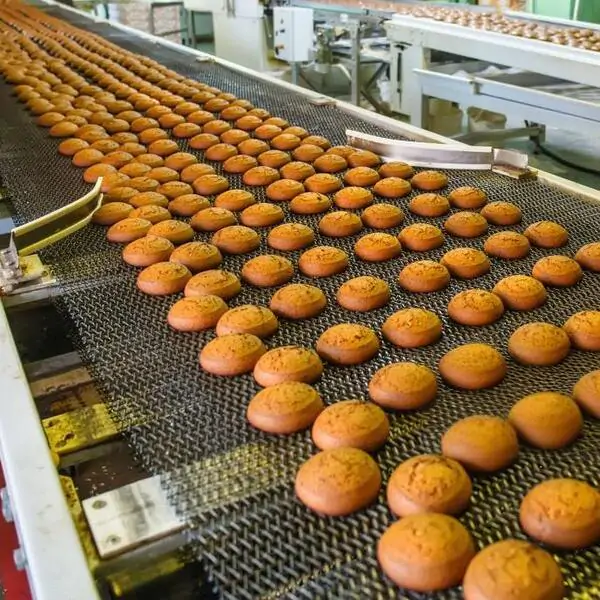
Balanced weave belts support open-area transfer for biscuit, cracker, bakery cooling, baking, and tunnel processing routes.
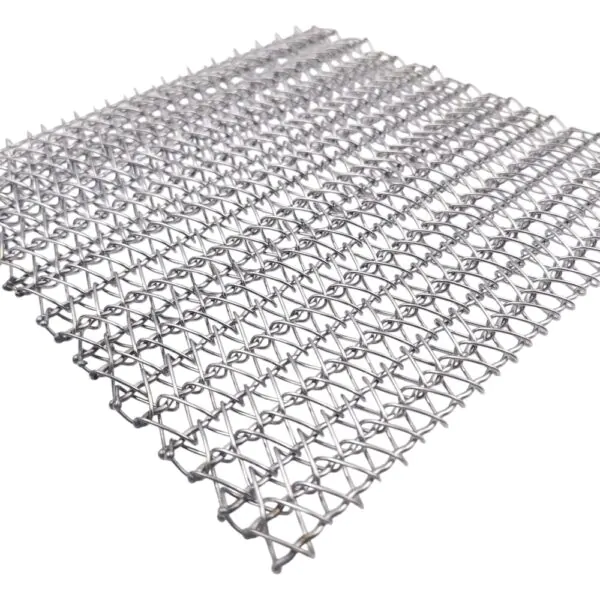
BALANCED WEAVE BELT / SPROCKET MATCHED ROUTE
For bakery, biscuit, cooling, drying, washing, and sprocket-driven conveyor routes, JBL Mesh Belt reviews mesh pitch, rod pitch, edge length, diagonal alignment, and sprocket engagement before release.
Width Records
260-3680 mm production routes
Material Routes
SS304 / 201 / carbon steel
Drive Review
Friction or sprocket-matched drive
Release Evidence
Photos, measurements, running video, packing list
APPLICATION FIT
Balanced weave belt is not one fixed catalog product. The useful page logic is to show application, structure, inspection, sprocket matching, and shipment evidence in one route.
Balanced weave belts support open-area transfer for biscuit, cracker, bakery cooling, baking, and tunnel processing routes.
Open mesh, stable pitch, and repeatable tracking help projects where airflow, drainage, and cleaning access matter.
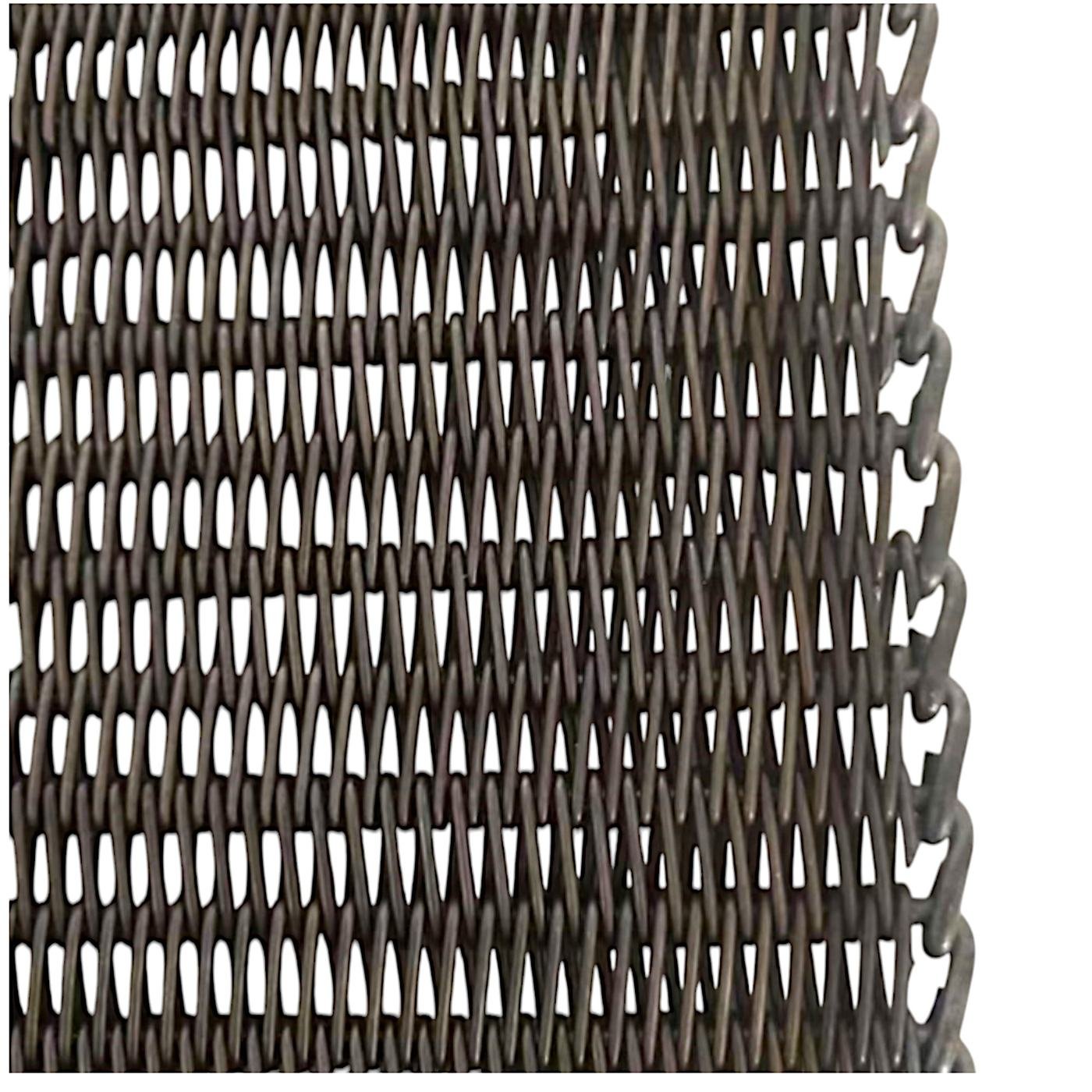
Flatness, diagonal alignment, edge length, and mesh tension are reviewed so product support is not only judged by catalog size.
For positive drive routes, belt pitch, tooth profile, bore, keyway, and shaft-side fit are reviewed together.
PRODUCT STRUCTURE
These images should help a buyer compare mesh opening, edge control, product support, and whether sprocket drive needs to be included in the review.
PRODUCT VISUAL
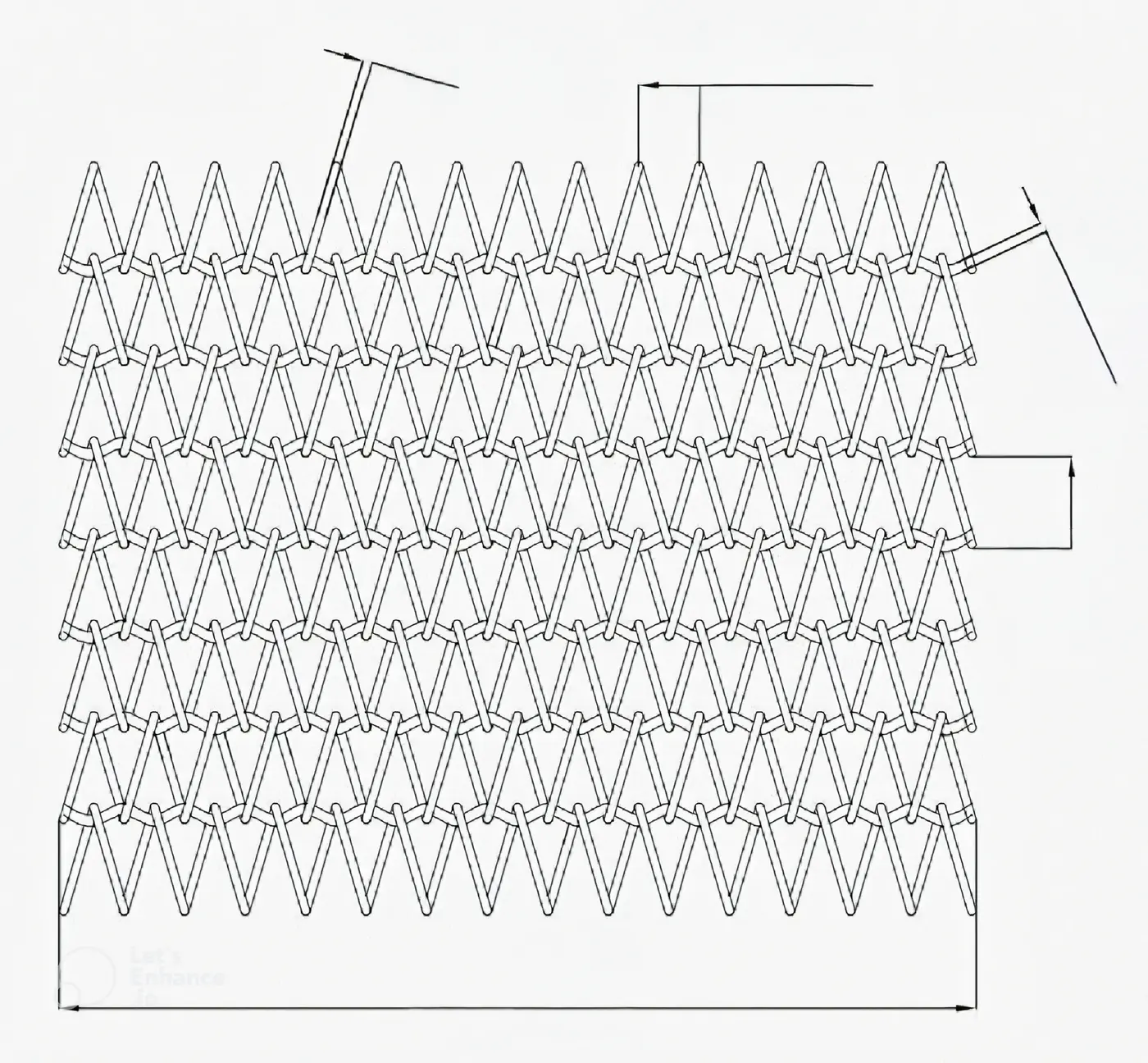
SPECIFICATION EVIDENCE
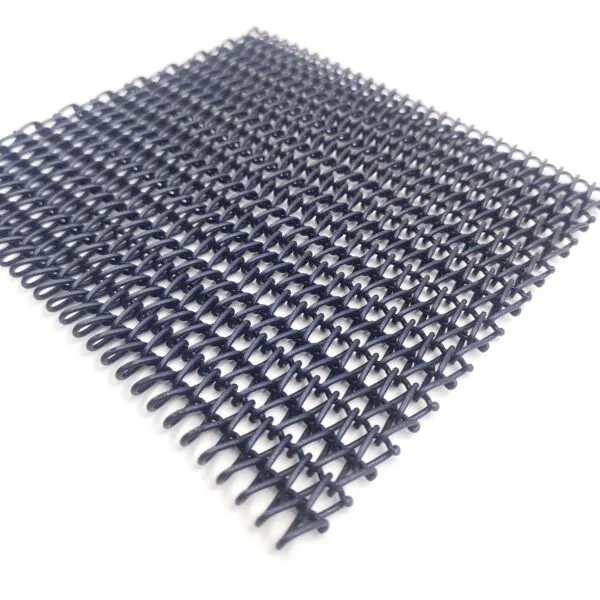
MATERIAL ROUTE

EDGE DETAIL
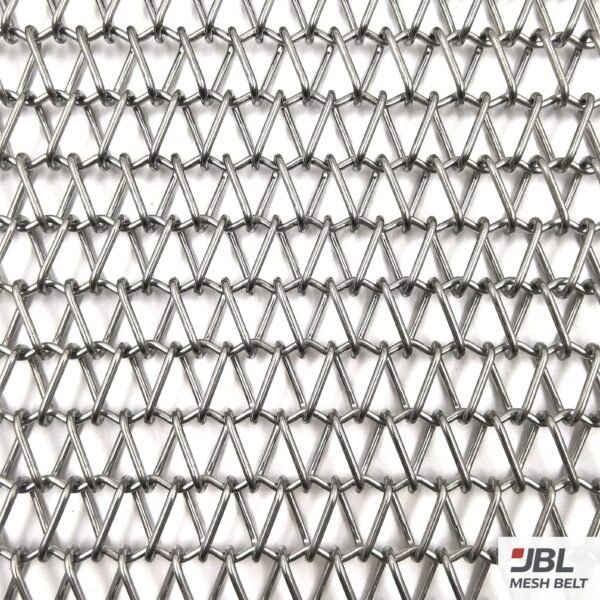
STRUCTURE DETAIL
FINISH REVIEW

SHIPMENT EVIDENCE

APPLICATION FIT
APPLICATION FIT

DRIVE MATCHING
ENGINEERING SPECIFICATION
The real value is not promising one universal size. It is showing that the route can be customized, measured, and matched to the conveyor or old belt evidence.
Missing some data? Send the drawing, photos, and dimensions you have; JBL Mesh Belt will identify the remaining Balanced Weave Belt review points.
Start Balanced Weave InquiryBELT + SPROCKET
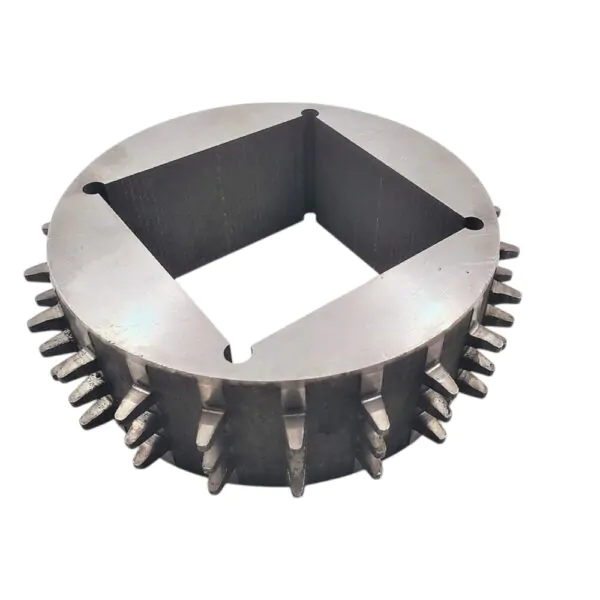
When the belt is driven by sprockets, the project should not confirm belt size and sprocket size separately. Pitch engagement, bore, keyway, tooth profile, and running contact need one review route.
DRIVE MATCHING
Belt pitch and tooth profile are checked together so the sprocket does not force the belt to climb, jump, or wear early.
DRIVE MATCHING
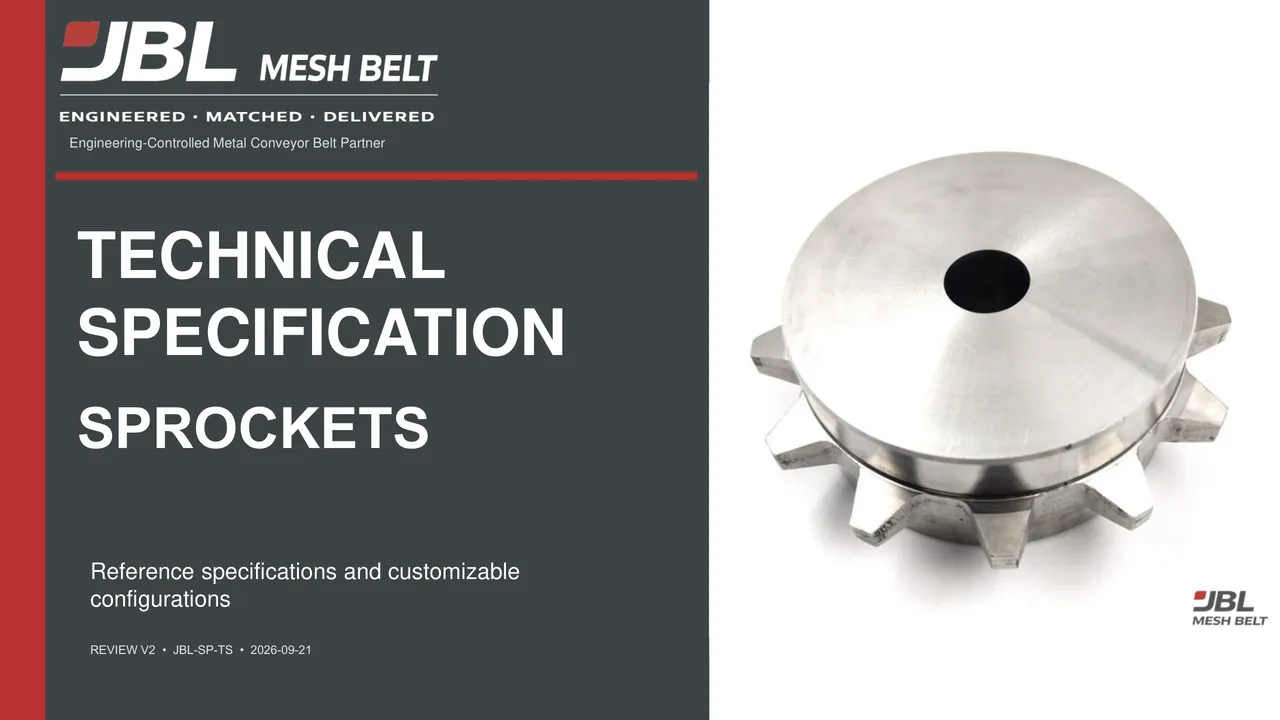
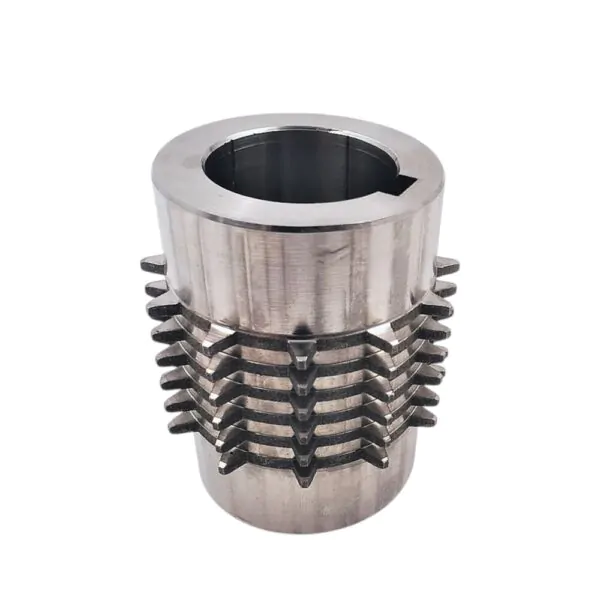
Bore diameter, keyway, set screw, tooth count, root diameter, and sprocket thickness should be recorded before machining.

DRIVE MATCHING
Sprocket material is selected by load, cleaning, temperature, shaft route, and whether the project is new build or replacement.
INSPECTION EVIDENCE
Review belt dimensions, drive requirements, and operating conditions before quotation.
CHECKPOINT
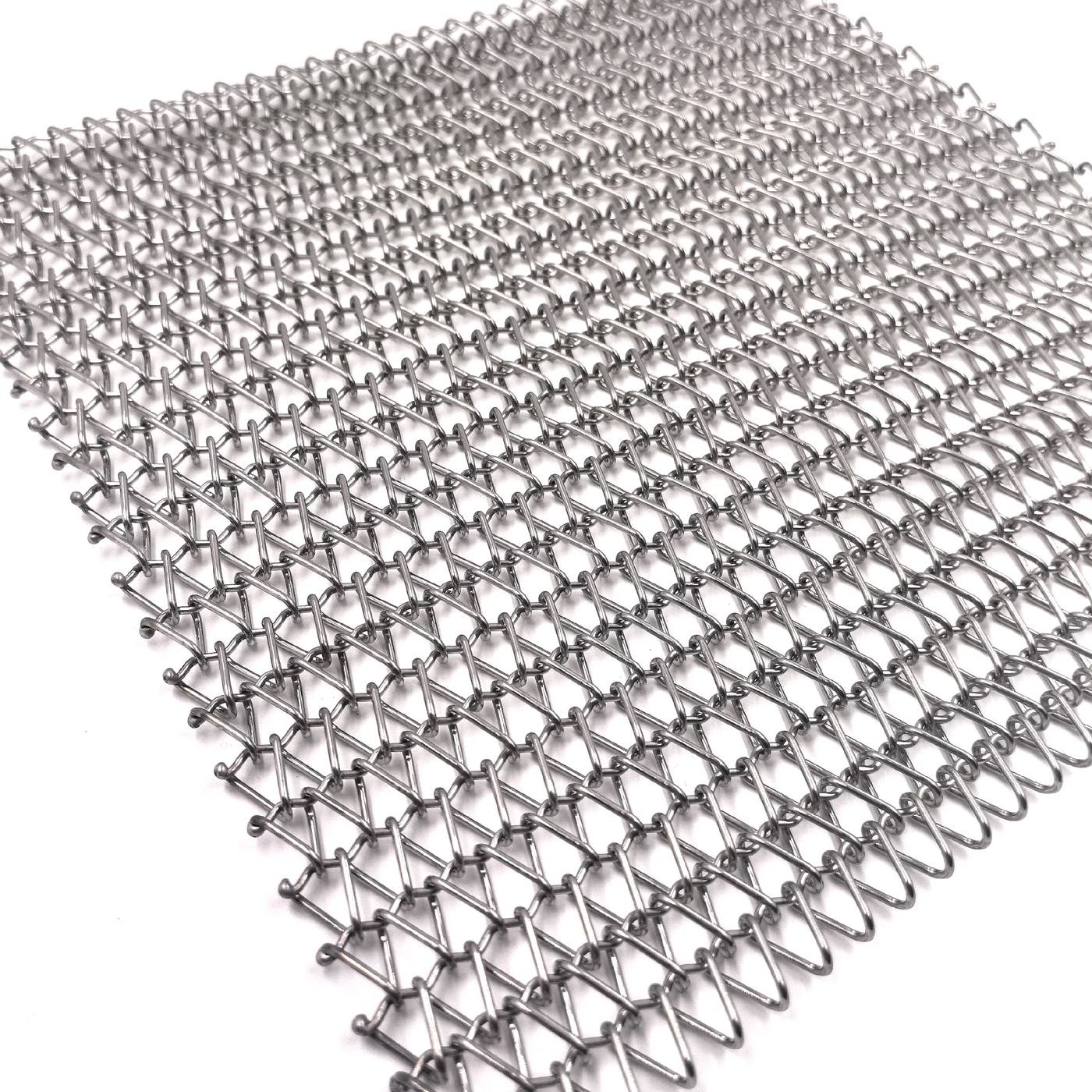
Left-right edge length, total width, and diagonal alignment are checked so the belt does not twist during running.
CHECKPOINT
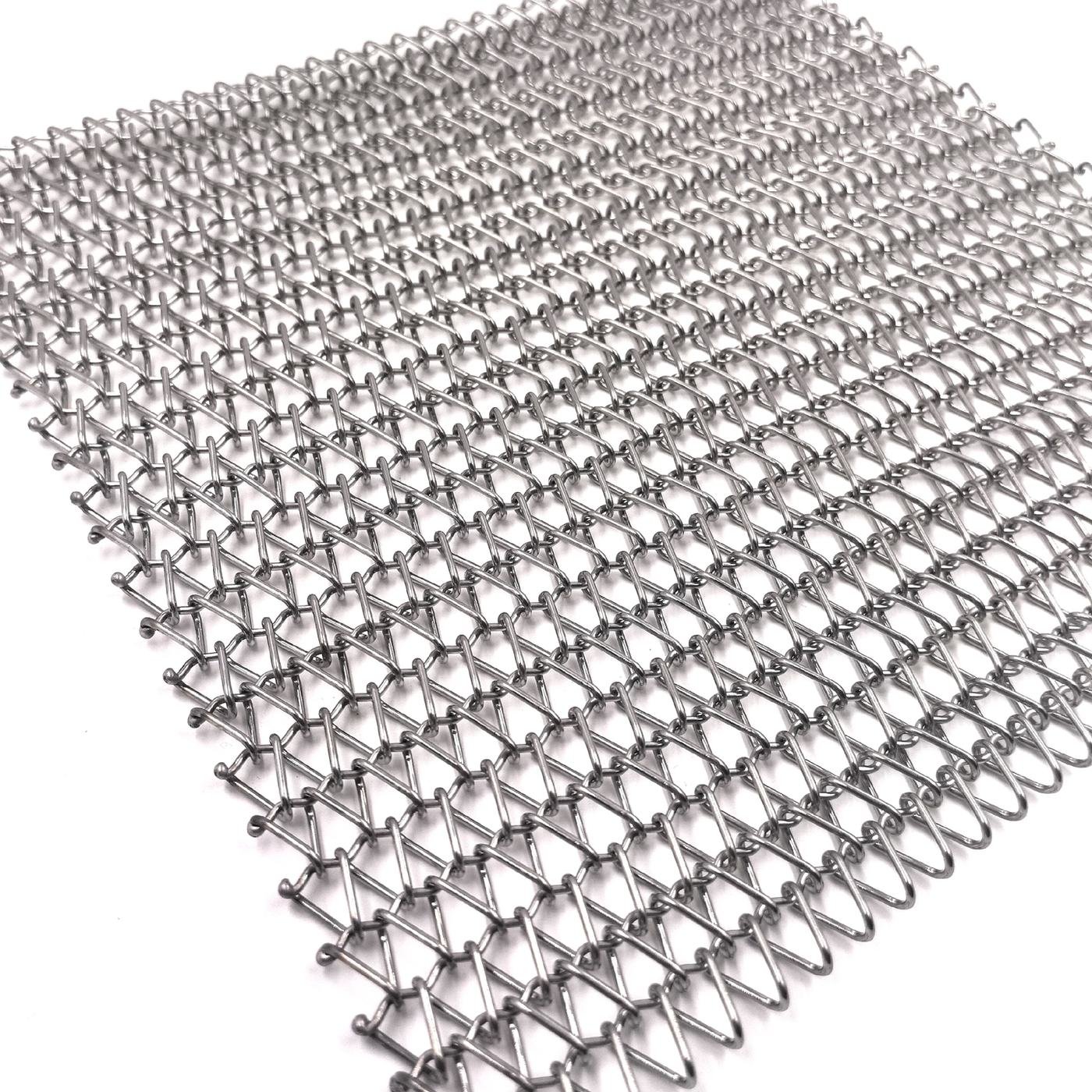
Pitch values are confirmed against drawing, old belt sample, or sprocket engagement before release.

CHECKPOINT
Wire diameter, rod diameter, mesh opening, and load route are reviewed together for product support.
CHECKPOINT
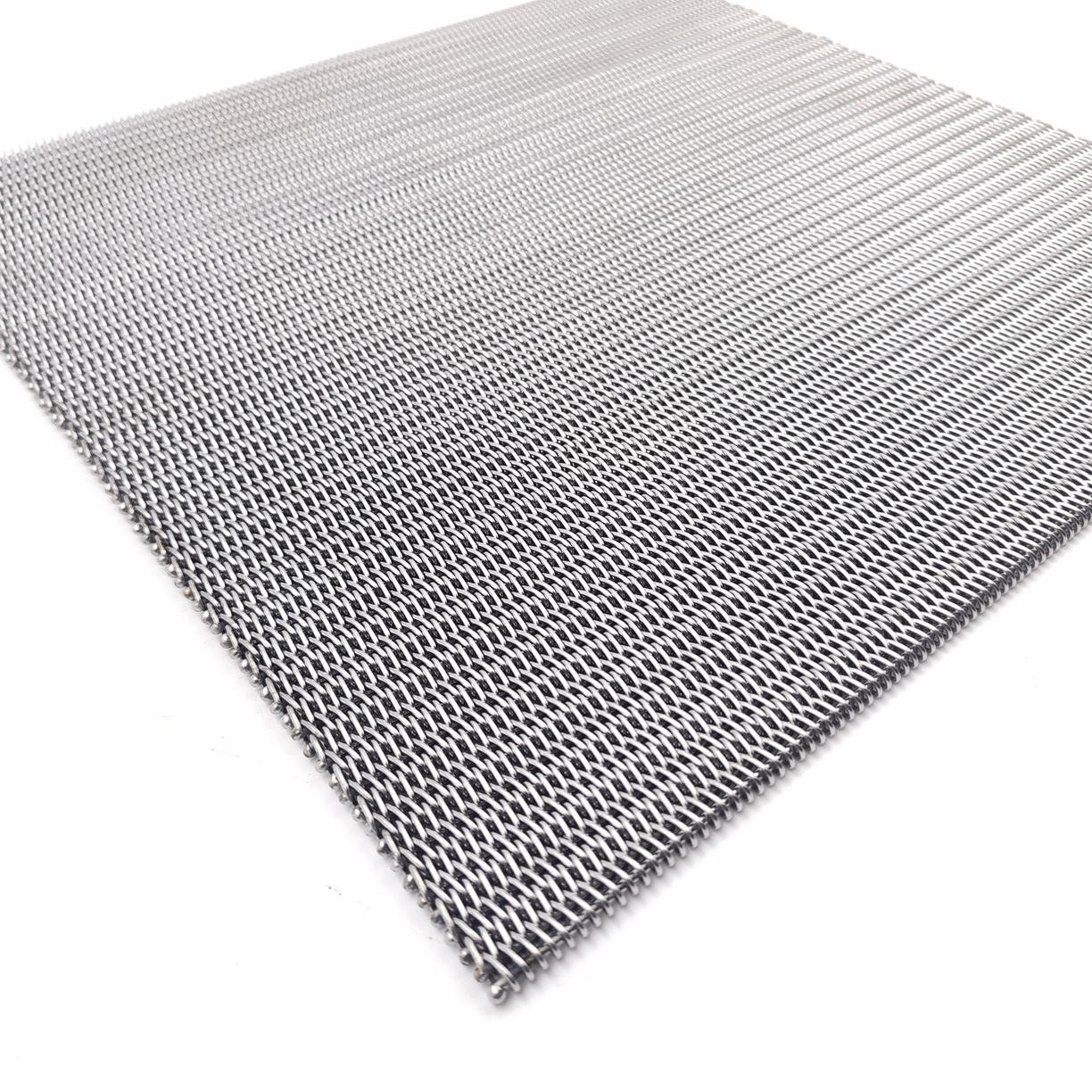
Weld points should be round, smooth, and consistent, without missing weld, false weld, sharp protrusion, or overlap weld.
CHECKPOINT
When sprocket-driven, running evidence can check tracking, jumping, tooth contact, and repeatable engagement.
CHECKPOINT
Confirm the required cleaning, residue, moisture, and packing condition for the specific export or food-contact route.
VIDEO EVIDENCE BEFORE RELEASE
The videos do not need to be decorative. Each position should prove one release checkpoint before quotation, production, or shipment.
Positive-drive engagement, tracking, noise, and tooth-contact evidence.
Total width, diagonal alignment, edge length, and flat support review.
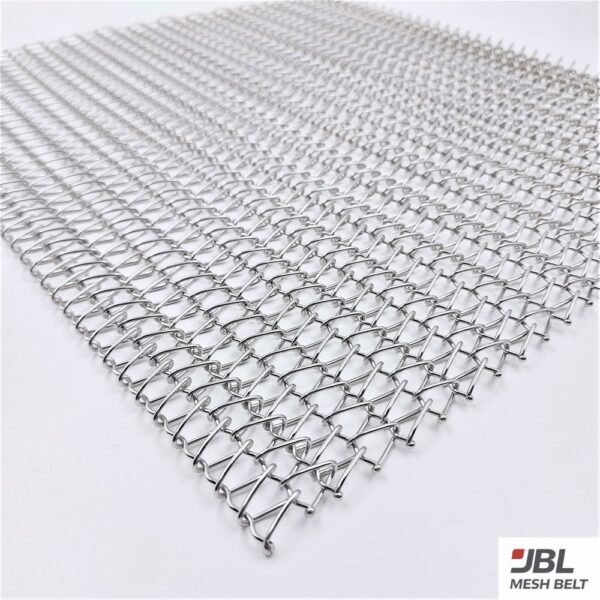
Weld smoothness, no sharp protrusion, no missing weld, and edge finish evidence.
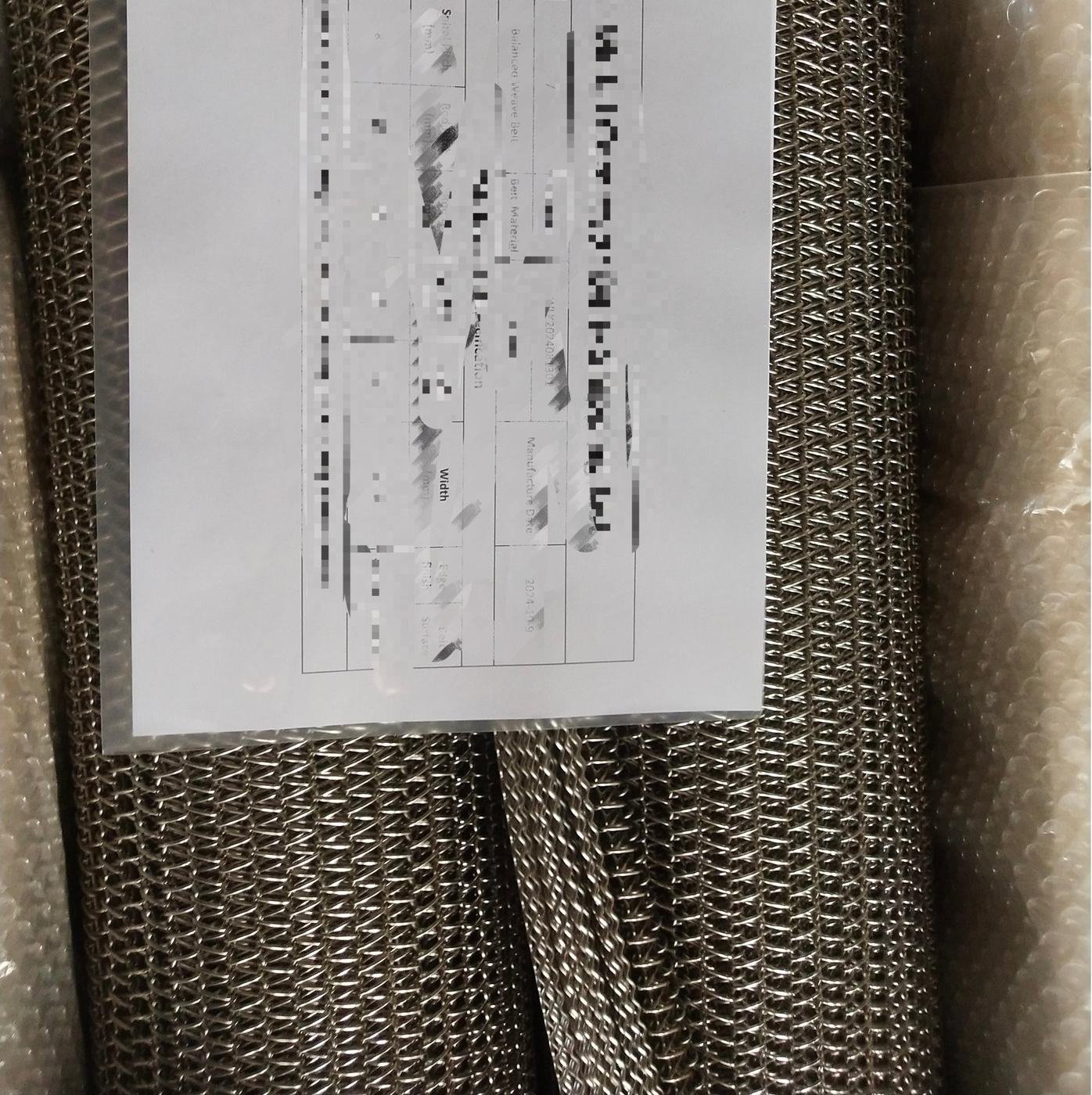
Final clean condition, waterproof protection, and export case close-up.
RISK REVIEW
Check pitch, drive engagement, and operating conditions when reviewing an existing belt problem.
Pitch mismatch
Belt pitch, rod pitch, tooth profile, and old sprocket wear evidence are checked before machining.
Tracking or jumping
Running video can verify that the belt does not run off, climb teeth, or jump under the reviewed drive route.
Diagonal mismatch
Both edge lengths and diagonal measurements are reviewed to reduce twist and uneven contact.
Sharp weld points
Weld finish is checked for smoothness, false weld, overlap weld, and burr-like protrusion.
Packing deformation
Support tube, waterproof film, corner protection, and export plywood case are reviewed before shipment.
NEUTRAL PACKING / INTERNATIONAL DELIVERY
Discuss protection and packing requirements for the belt, sprockets, spare rods, and small parts before shipment.

PACKING EVIDENCE
Bubble film, waterproof film, and belt support are used to reduce contact damage during long-distance transport.
PACKING EVIDENCE
Packing list, net/gross weight, volume, and release photos can be prepared before shipment.
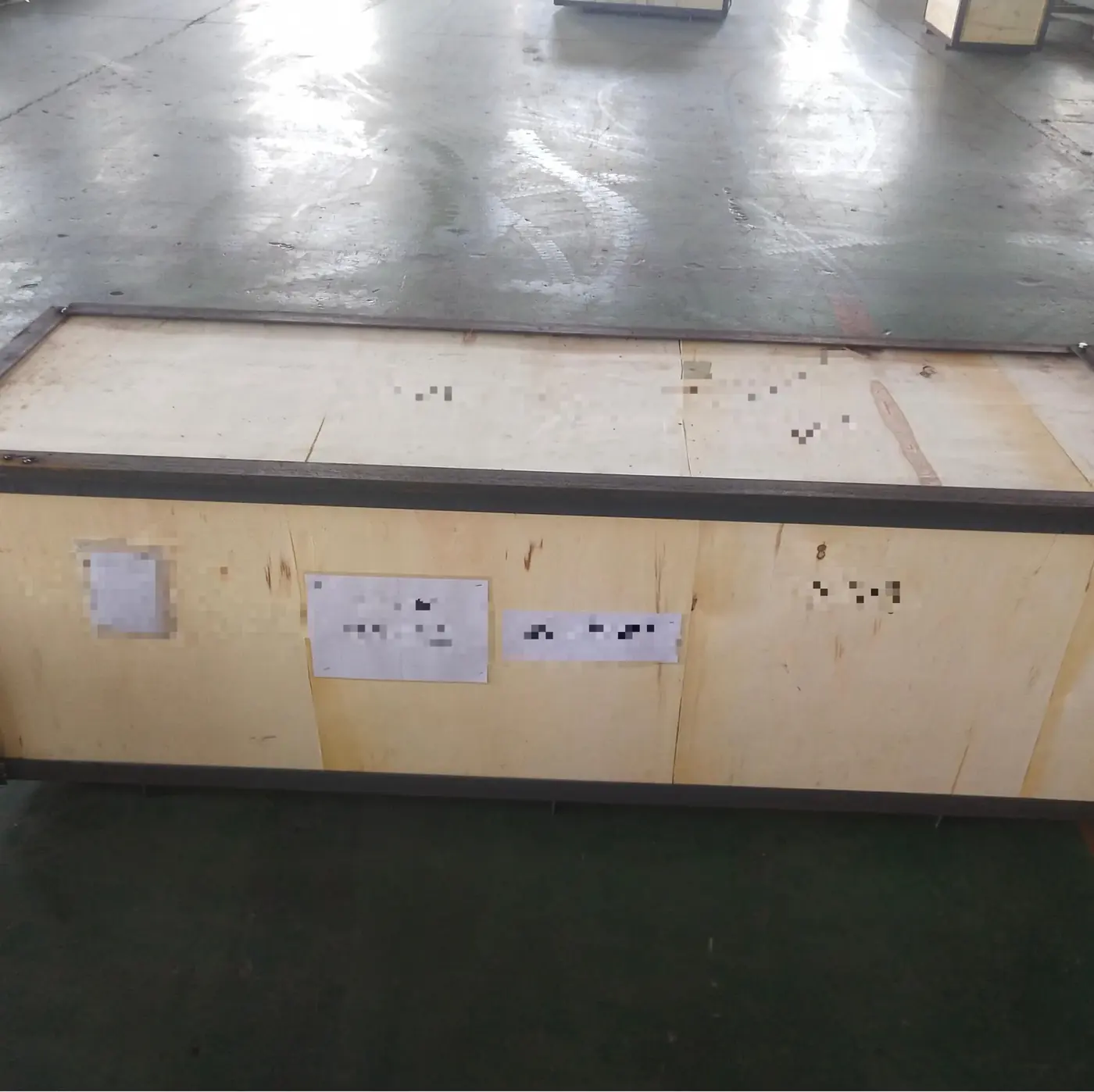
PACKING EVIDENCE
Export package evidence can show clean outer condition, film protection, and release status before the shipment leaves.
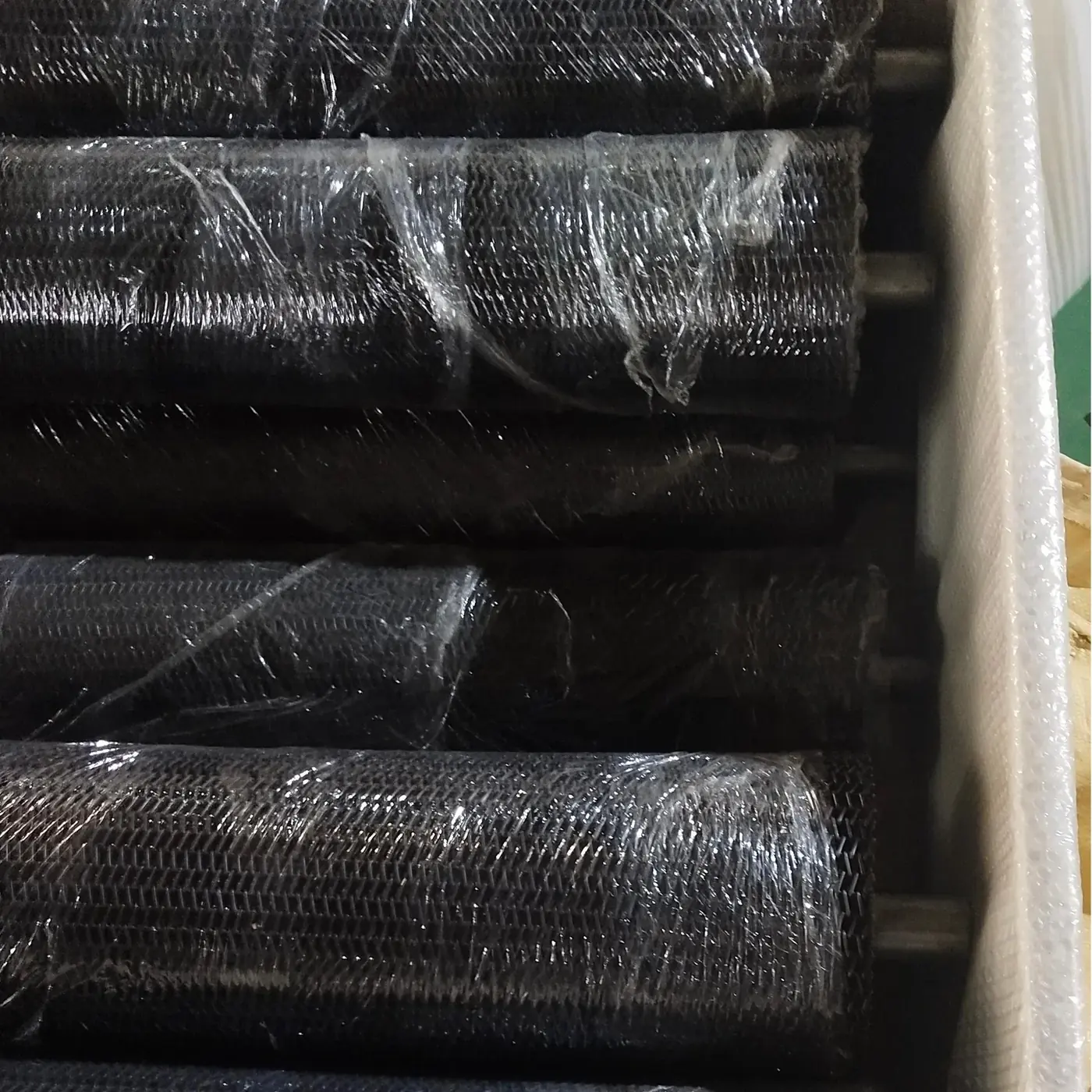
PACKING EVIDENCE
Shipment photos help buyers review belt surface, packing status, and repeat-order evidence without exposing customer identity.
REPLACEMENT INPUTS
The fastest route is not a long message. A few clear photos and dimensions can start the engineering review.
DOWNLOAD / REVIEW PACK
Use these document types to prepare your project review. Each file supports a buyer task: confirming pitch, checking drive route, measuring an old belt, or preparing release evidence.
Ask for the current specifications and inspection documents relevant to your project. Confirm the applicable document revision with JBL Mesh Belt before using it for production.
ENGINEERING RESPONSE
For balanced weave belt projects, JBL Mesh Belt can review product support, mesh pitch, sprocket engagement, spare parts, and export packing as one controlled project route.
BUYER QUESTIONS
Start with the information you have. Each answer shows what to send, what JBL Mesh Belt reviews, and how the final project configuration is confirmed.
QUESTION 01
Send the product size and load, temperature, airflow or drainage needs, transfer points and conveyor route. JBL Mesh Belt reviews product support, open area and mesh stability; the final belt route follows the project review and confirmed drawing.
QUESTION 02
Share any known overall width, wire and rod diameters, spiral and rod pitches, mesh opening, edge style, material and surface condition. JBL Mesh Belt checks these values together, and final dimensions follow the confirmed drawing or old-belt sample review.
QUESTION 03
Tell us whether the line uses friction or sprocket drive and provide sprocket, shaft and installed-path photos with pitch, tooth count, bore and keyway data when applicable. JBL Mesh Belt reviews engagement and tracking before the drive route is confirmed.
QUESTION 04
Send full-belt, edge, joining, damaged-area and drive photos, the dimensions you can measure and a sample when available. JBL Mesh Belt compares the old belt and conveyor interface, then records the agreed replacement route in the confirmed project drawing.
QUESTION 05
Share the running direction, support and guide path, transfer gaps, joining method, wash process, residue and drying requirements. JBL Mesh Belt reviews tracking, edge contact and surface condition; final installation and cleaning details follow the confirmed project configuration.
QUESTION 06
Send the application, operating conditions, available belt and drive dimensions, material and edge needs, quantity, delivery target and required inspection records. JBL Mesh Belt identifies missing points and quotes against the confirmed project scope.
All listed dimensions and configuration options can be customized for the project, subject to engineering review and the confirmed drawing.
Balanced weave projects need confirmation around pitch, wire diameter, edge finish, drive route, airflow, cleaning, and product support. JBL Mesh Belt uses the SOP route to turn photos, drawings, and old-belt samples into controlled review points before release.
You do not need a complete specification to start. Send the available drawing, old belt photo, sprocket photo, system photo, or running video first. The JBL Mesh Belt team will reply with the missing review points.
These SOP points are converted from JBL Mesh Belt order-control, QC, packing, and delivery documents into buyer-facing checkpoints.
Product type, airflow, drainage, temperature, and support surface are checked before selecting mesh and pitch route.
Overall width, spiral pitch, cross rod, wire diameter, edge type, and tracking route are matched against drawing, old belt, or sample evidence.
When the belt is driven by sprockets, tooth profile, bore, keyway, pitch engagement, and wear evidence are reviewed together.
Measurement photos, surface review, running evidence when available, and export packing records support repeat orders and replacement inquiries.
For project review, send product photos, old belt samples, sprocket photos, and available inspection records.
Before a balanced weave belt is packed, the weave, the welds and the surface are checked against the confirmed specification.
Every weld is inspected before shipment: no bridged or missed welds.
The mesh is checked for flatness, with extra attention on fine-pitch belts.
For belts supplied in sections, the connecting spirals at each end are checked against the order so the sections can be joined on site.
Stainless belts are clean and dry. Carbon steel belts are oiled lightly and evenly.
RELATED RESOURCES
Balanced weave buyers are often choosing between product families, checking drive logic, or preparing better replacement inputs before they send details.
Resource article
Open article
Resource article
Open article
Resource article
Open article
Reference specifications
| Parameter | Reference options |
|---|---|
| Material | SUS304 / SUS316 / mild steel |
| Spiral pitch | 2.8–40 mm |
| Spiral wire diameter | 1.0 / 1.2 / 1.4 / 1.5 / 1.6 / 1.8 / 2.0 / 2.5 / 3 / 3.2 mm |
| Crimped wire pitch | 5–50.8 mm |
| Crimped wire diameter | 1.2 / 1.4 / 1.5 / 1.6 / 1.8 / 2.0 / 2.5 / 3 / 3.2 mm |
| Belt width | 200–5000 mm (7.87–196.85 in); custom |
| Belt length | Custom, specified in m or ft |
| Surface treatment | Mill finish / pickling / coating — scope, grade and service temperature confirmed per project |
| Edge treatment | Welded / clenched |
| Sprockets | SUS304 / SUS316 or UHMWPE; tooth count, bore and keyway per drawing |
Reference options from the 2026-10-02 public specification, pages 2 and 5. The spiral arrangement, pitch definitions and width measurement points are confirmed per drawing. Final dimensions and combinations follow the confirmed project drawing. Source: Balanced Weave Belt Technical Specification, page 5 ↗
Read the documents for this belt
Balanced Weave Belt: specification and production & quality control process, page by page
Opens in a new tab · no download · no sign-up
Document Library
Compare pitch, wire, edge, surface and sprocket options with your equipment before you send a drawing or old-belt photos. 13 technical specifications and 11 production and quality control documents for JBL metal conveyor belts and sprockets, page by page on your phone or computer.
Engineering review
Not sure which specification fits your line?
Send your drawing or old-belt photos on WhatsApp. We compare them with the specification and tell you what still needs to be measured.