Will the side drive engage the belt without slipping or climbing?
Side-driven belts depend on the edge route, drive contact path, sprocket profile, and turn geometry. These points should be reviewed before production.

side-driven spiral belt
Built for projects where side-drive engagement, edge structure, turn radius, sprocket matching, and tracking clearance must be reviewed before production.
Application
Side-driven spiral conveyor systems, freezer towers, cooling lines, and compact turning routes
Review Focus
Side-drive engagement / belt width / pitch / sprocket interface / turning geometry / tracking clearance
Project Route
New OEM system supply, existing-line replacement, or belt-and-drive matching review
buyer questions first
Serious buyers are usually trying to avoid drive slip, turn-radius mismatch, side wear, sprocket mismatch, and edge interference after installation.
Side-driven belts depend on the edge route, drive contact path, sprocket profile, and turn geometry. These points should be reviewed before production.
Pitch, belt width, side guard height, inner edge behavior, outside edge tension, and product load all affect belt running stability.
For replacement projects, sprockets, side guides, chain or button edge structure, shaft route, and old belt wear evidence should be reviewed as one system.
The review can start from old belt photos, turn path photos, drive side close-ups, pitch measurements, product load, and installed-line notes.
structure and drive evidence
Product photographs, sprocket details, running references and packing evidence are shown only within their documented scope so buyers can review the drive route before specification release.
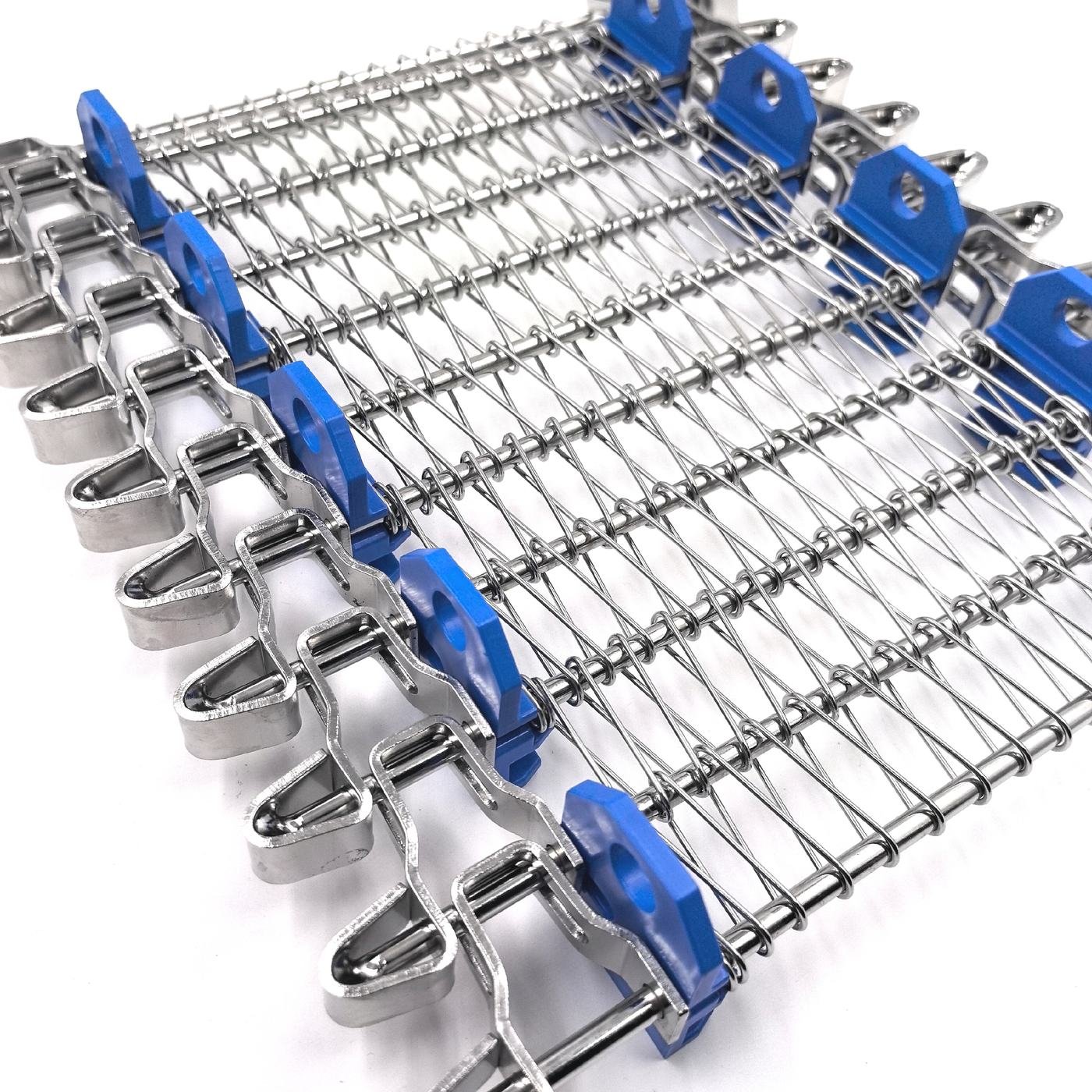
review evidence
Side-driven belt layout for compact conveyor routes where drive contact, belt width, and product stability matter.
Confirm: pitch / width tolerance / drive side
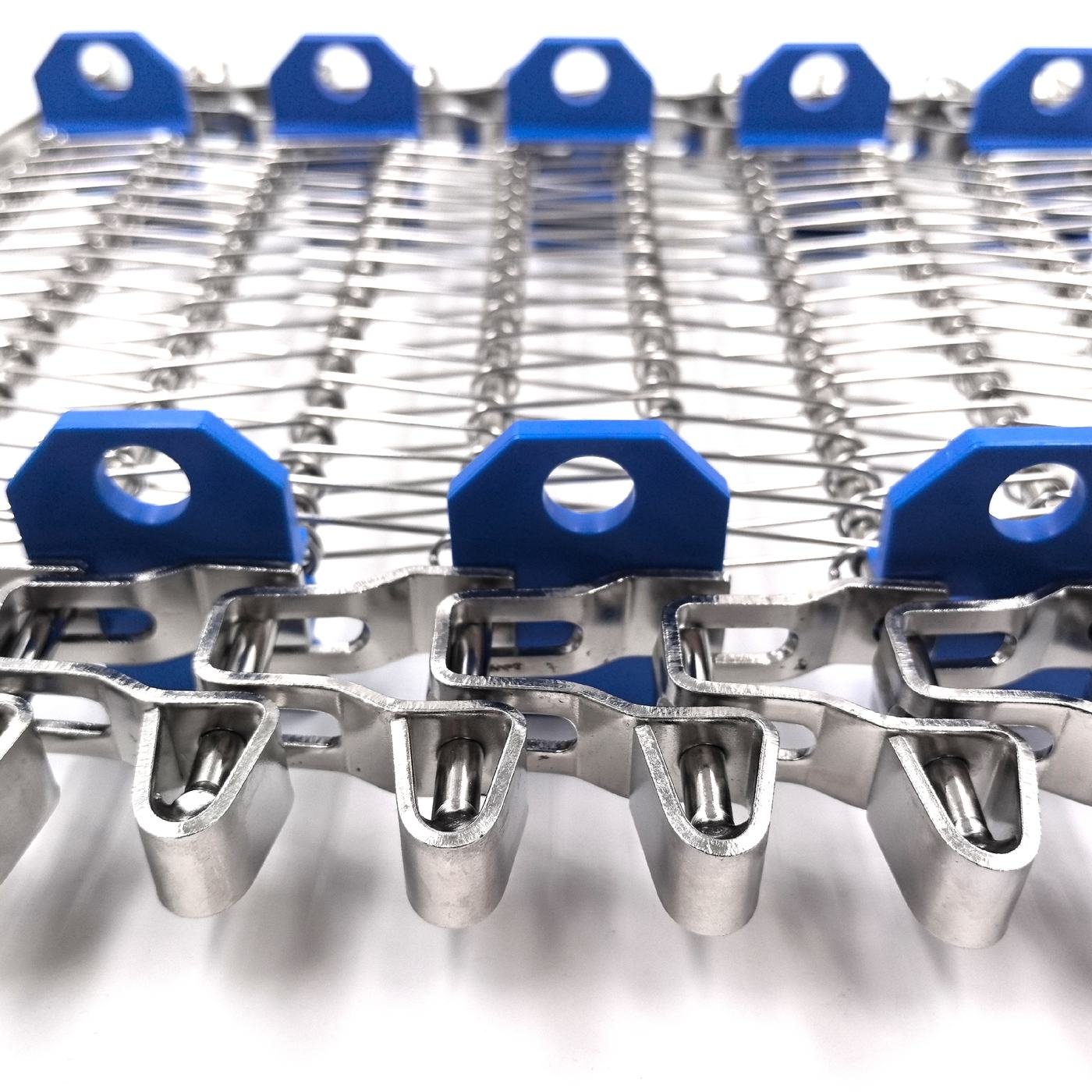
review evidence
Wide belt photos help review the carrying surface, side route, and equipment-fit dimensions.
Confirm: belt width / mesh surface / side clearance
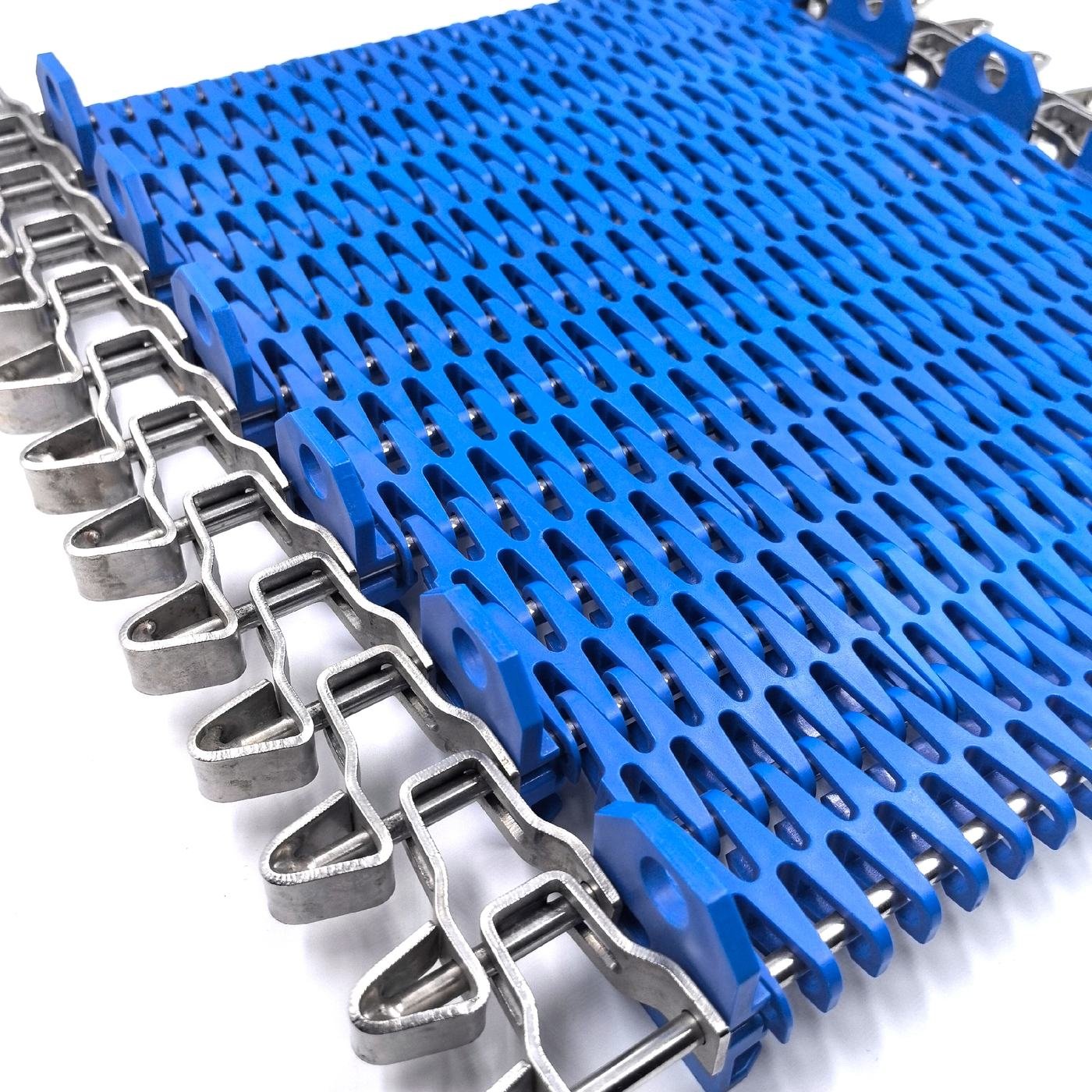
review evidence
The drive side route is reviewed for gear engagement, guide contact, and wear risk.
Confirm: edge route / guide contact / wear point
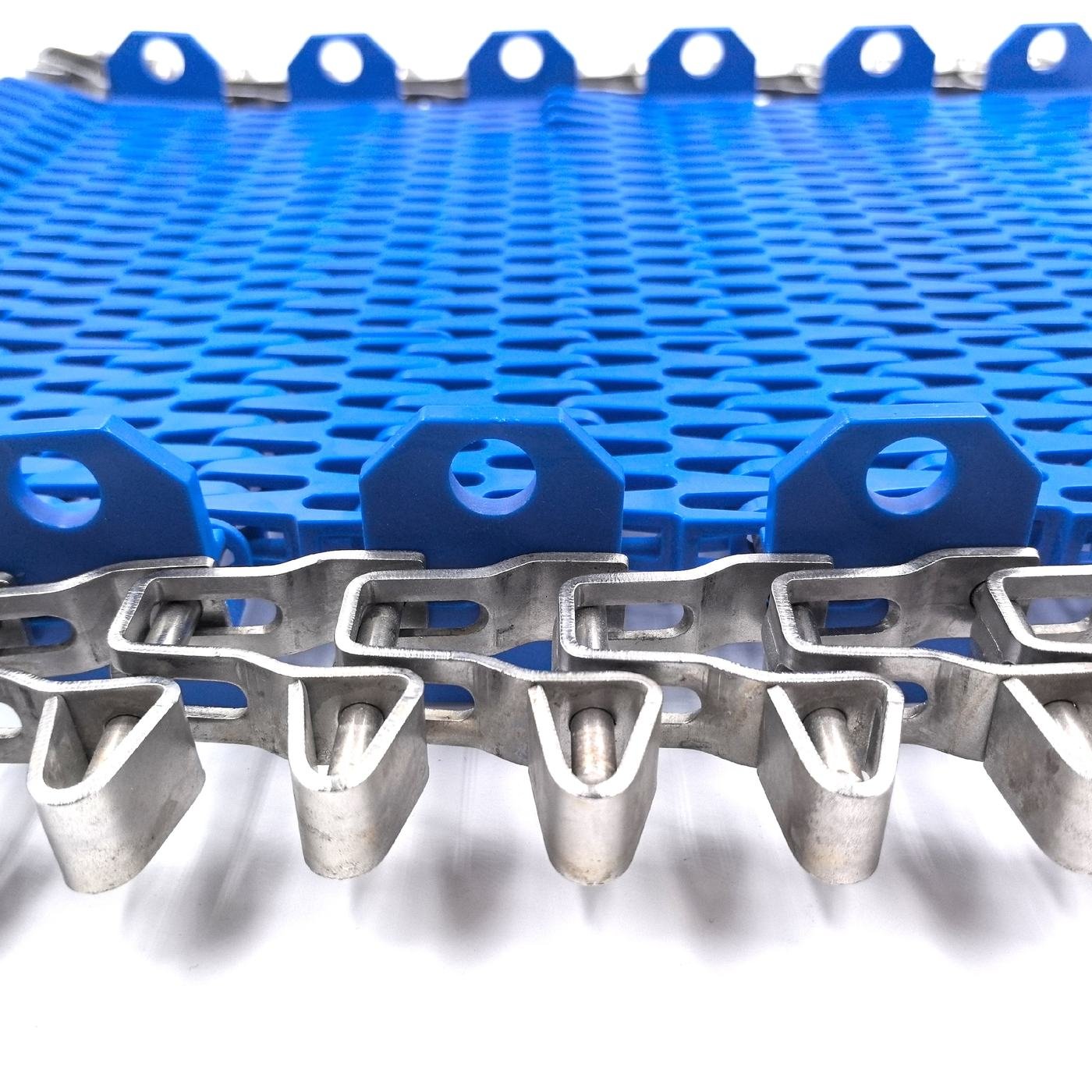
review evidence
Turn-path evidence helps confirm stable movement in compact spiral, cooling, and transfer layouts.
Confirm: turn route / product load / tracking
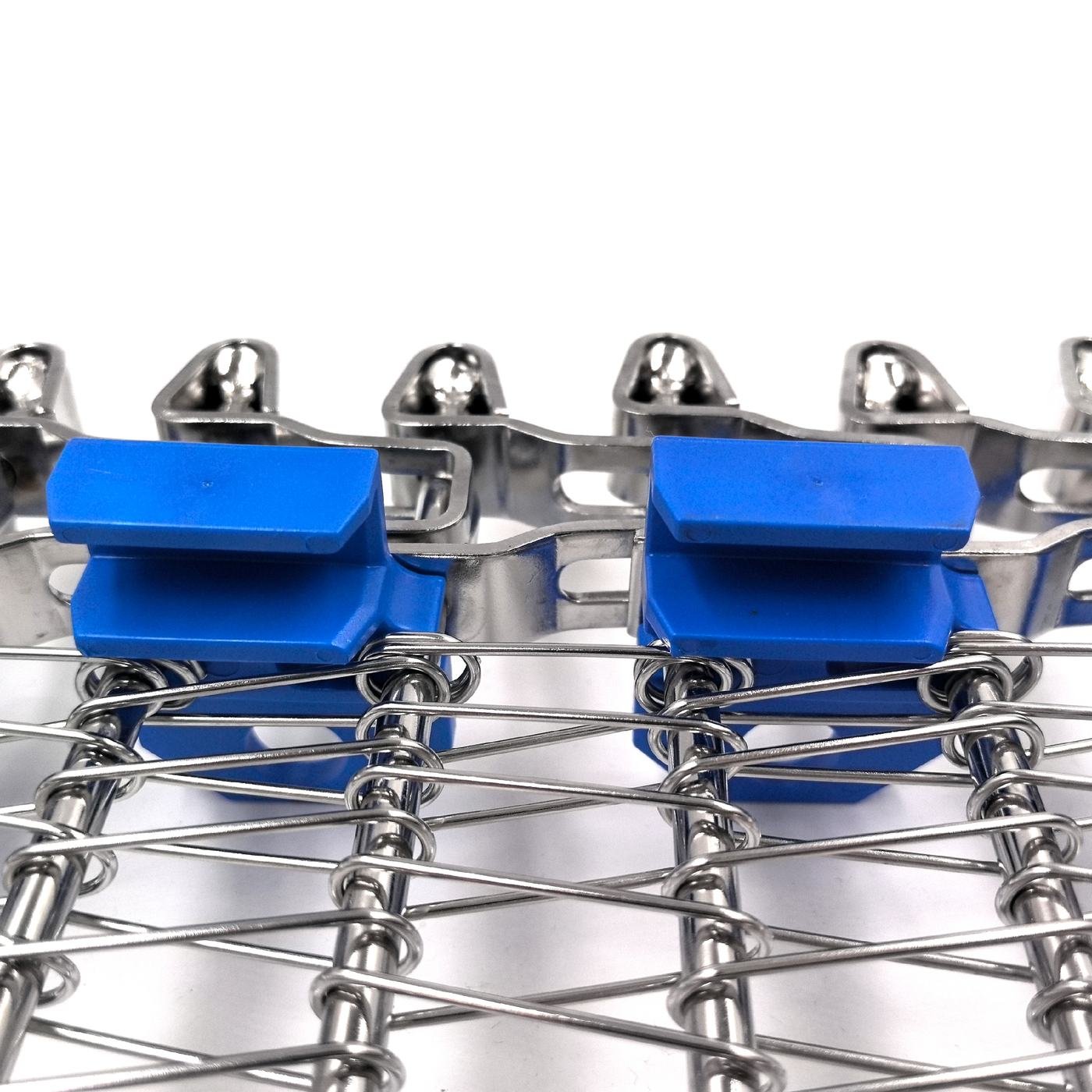
review evidence
Accessory and retaining details are reviewed when belt movement, product stability, or replacement fit depends on side components.
Confirm: buckle / retaining strip / accessory fit
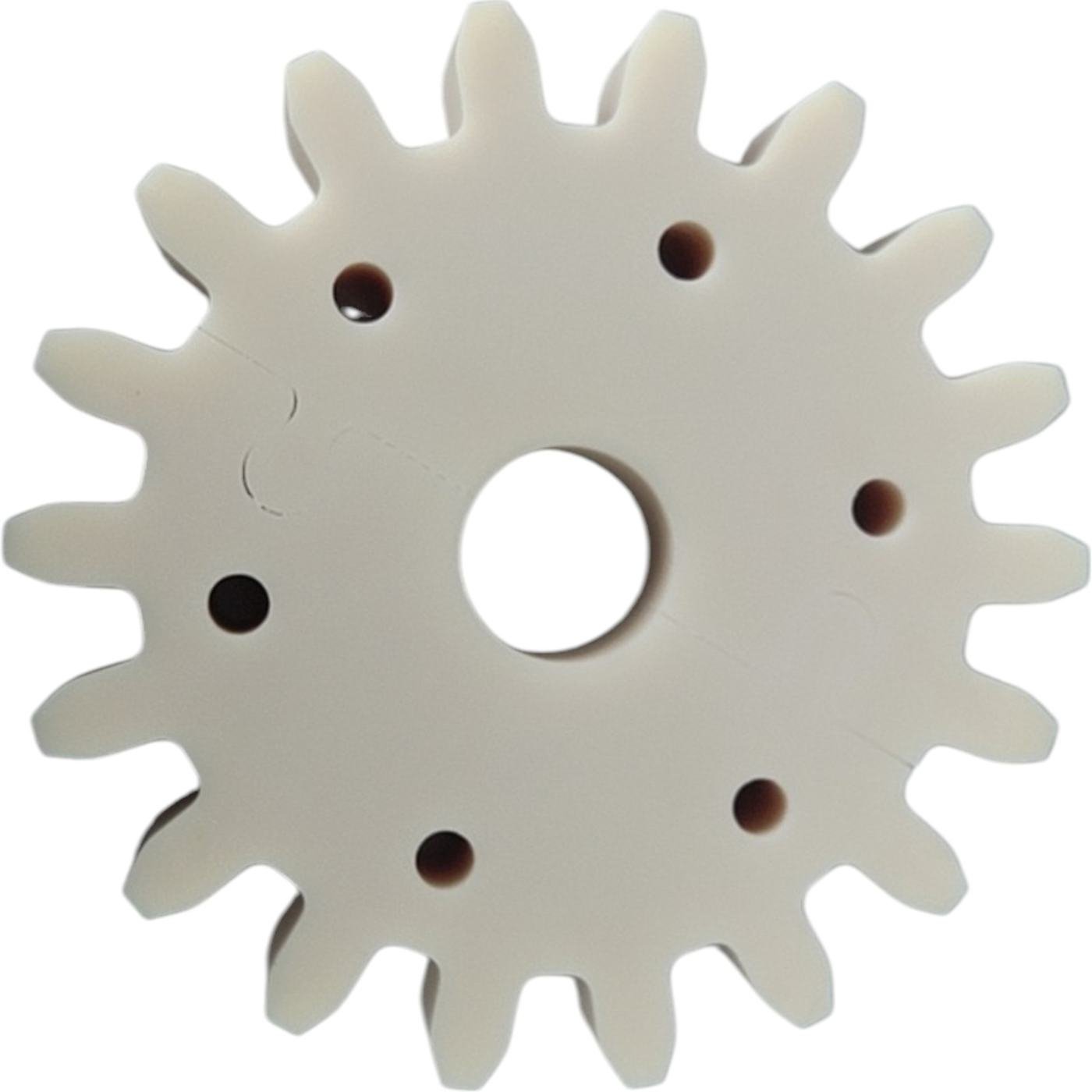
review evidence
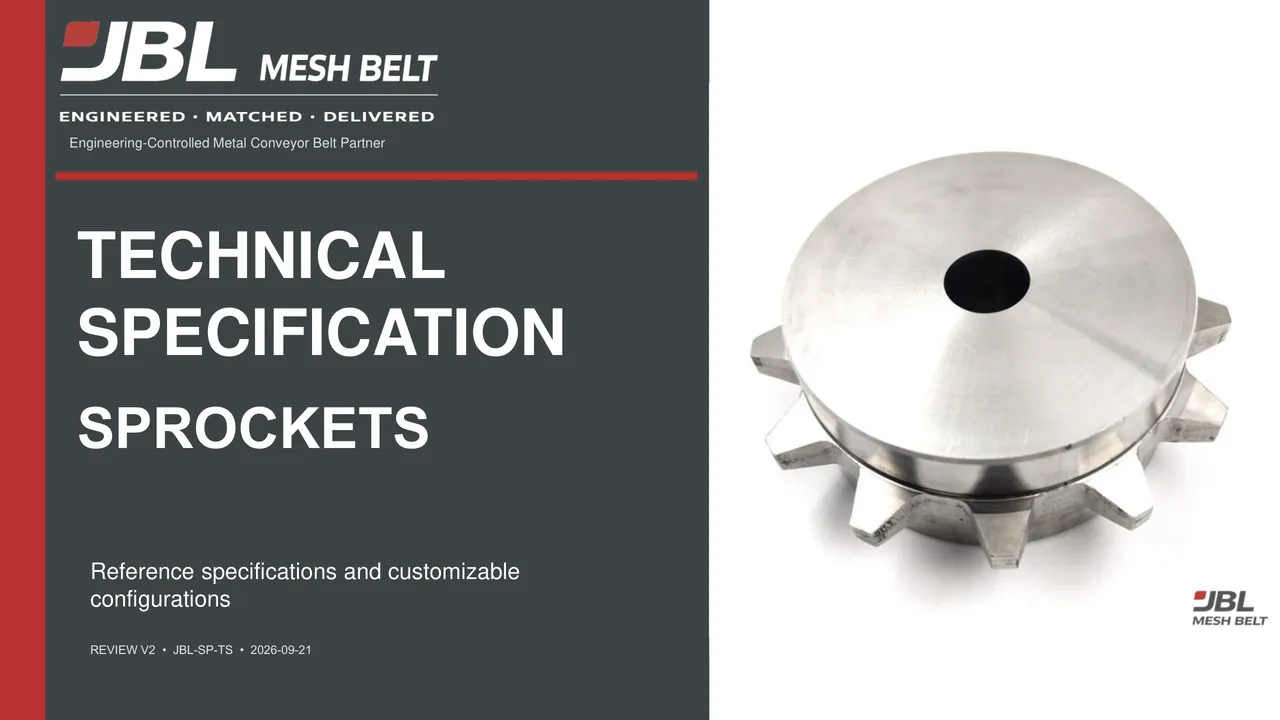
POM, nylon, or stainless steel sprockets can be matched to pitch, belt width, and operating environment.
Confirm: POM / nylon / stainless steel
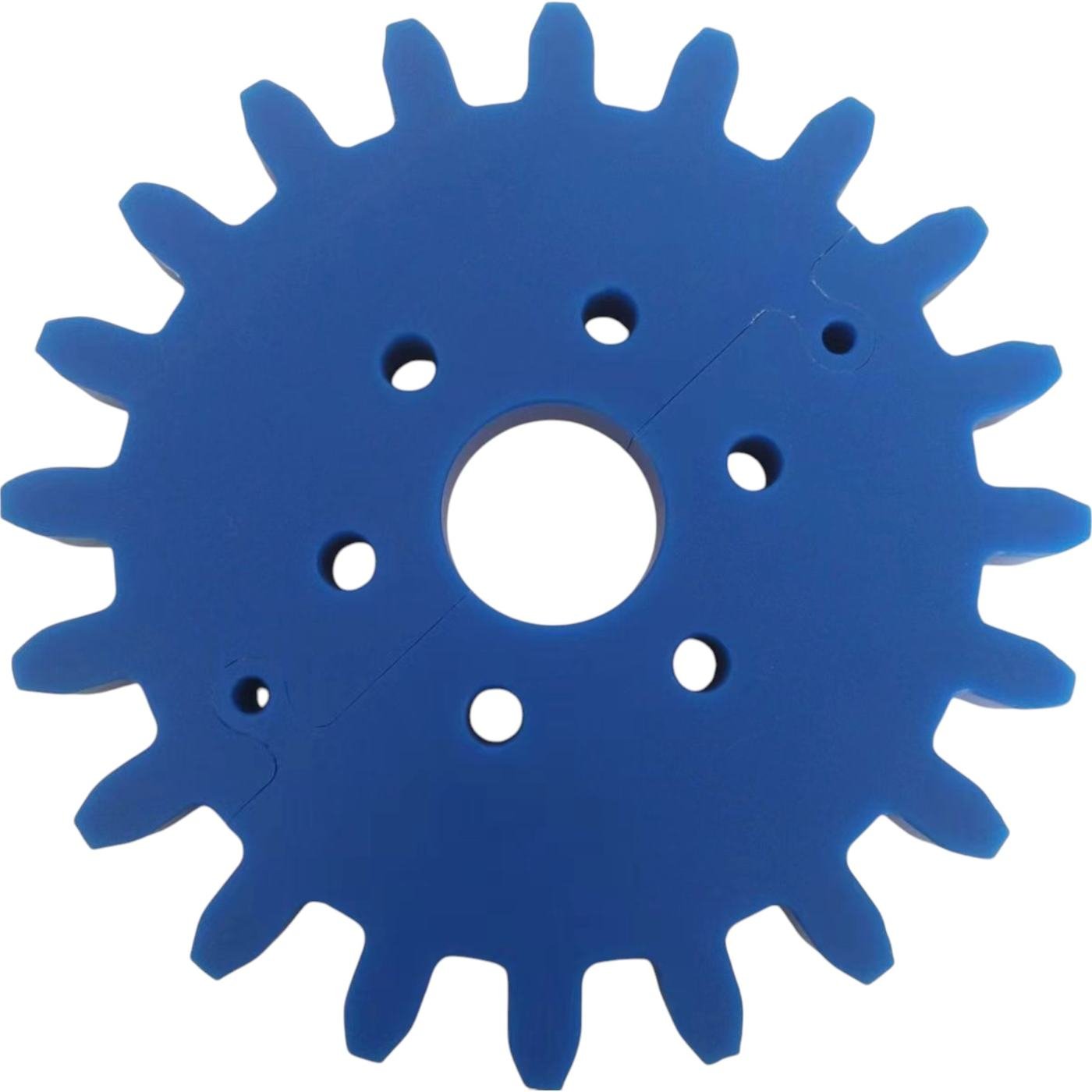
review evidence
Deburred tooth engagement reduces friction, belt wear, noise, and drive instability.
Confirm: tooth profile / deburred entry / wear
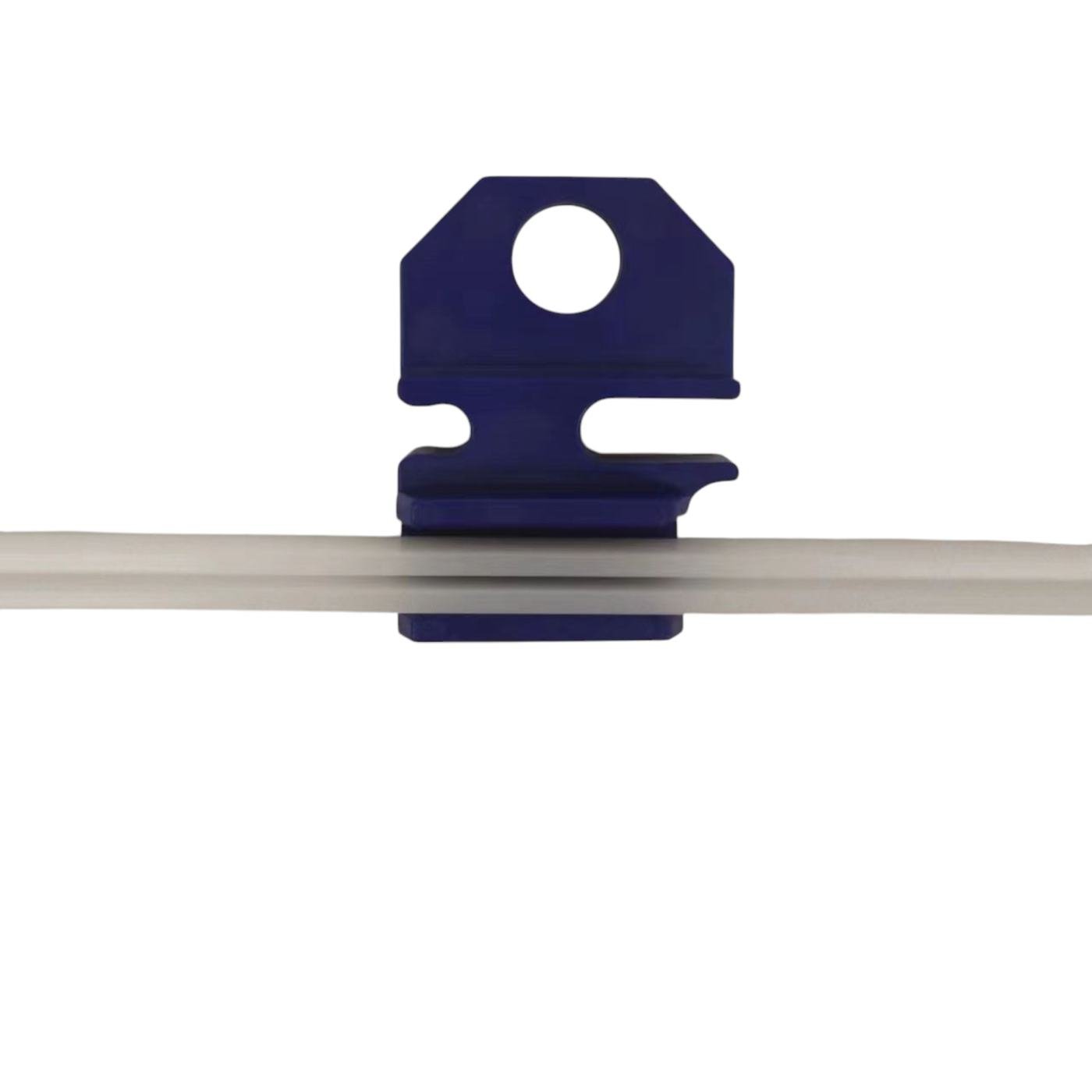
review evidence
Standard and custom sprocket sizes can be reviewed for seamless compatibility with the belt and equipment.
Confirm: custom size / bore / keyway

review evidence
Packing evidence helps confirm order accuracy, accessory count, and export protection before delivery.
Confirm: packing / accessories / export release
engineering specification
Side-driven spiral belts need the belt, edge, drive, sprocket, and tower geometry reviewed together before quotation and production.
Reference values. Inch values are rounded conversions from the metric source. Final material, dimensions, and combinations follow the confirmed project drawing.
Only have part of the data? Send the drawing, original-belt photos, or the dimensions you can measure; JBL Mesh Belt will identify what still needs confirmation.
Start Specification Reviewproject review flow
A side-driven belt project should move through a clear evidence path before production is released.
step 01
Share old belt photos, drive side close-ups, tower photos, sprocket photos, and known dimensions.
step 02
Check turn radius, drum diameter, guide route, sprocket contact, and edge wear risk before quotation.
step 03
Lock belt width, pitch, wire, rod, side-link geometry, edge structure, drive component, and tolerance route.
step 04
Prepare the agreed inspection, engagement, packing, and accessory evidence before shipment.
verification media
The running close-up verifies side-drive contact. For an order-specific drum or turning test, confirm drum diameter, turn ratio, direction, rod pitch, sprockets, load, speed, and acceptance points before testing.
The moving close-up records side-link and sprocket contact. Drum diameter, turn ratio, running direction, load, speed, and any separate turning-test acceptance points remain project-specific inputs.
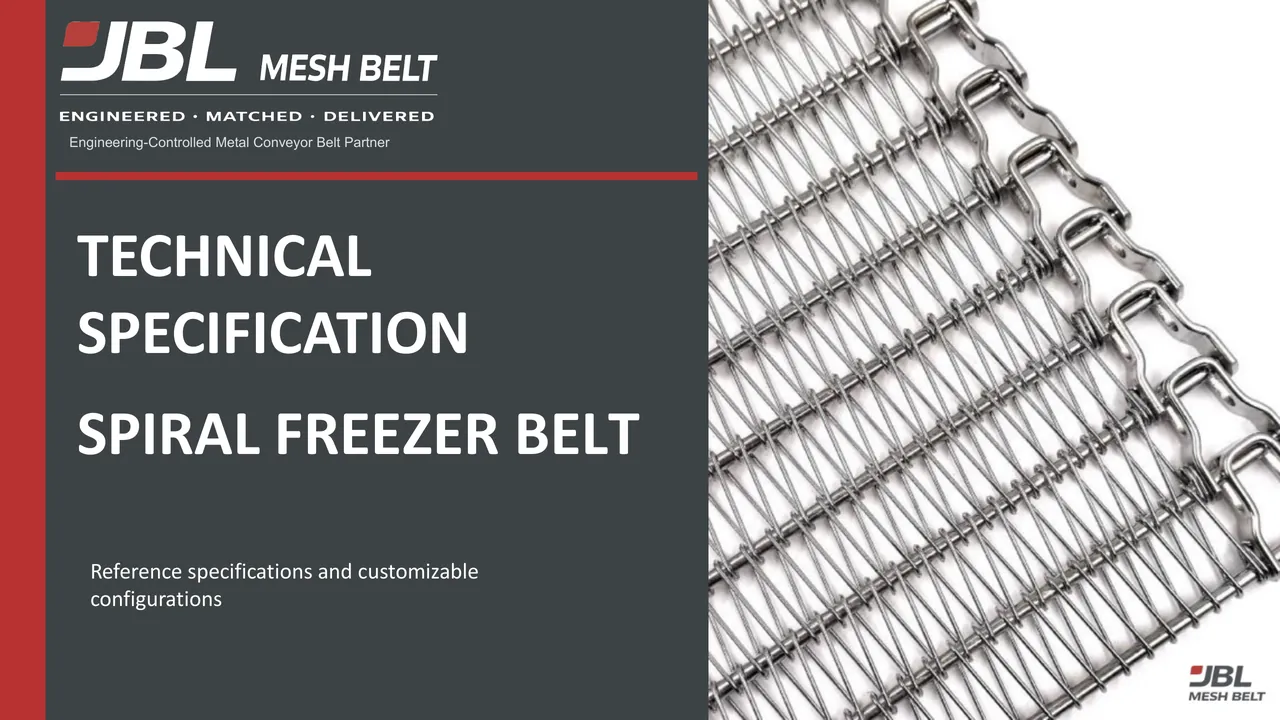
The straight-layout close-up shows the metal belt edge contacting the green sprocket. It does not establish full-line stability, speed, load, or turning performance.

Rod route, edge finish, side guard, weld, and burr inspection.
Neutral packing, accessory count, and export case release evidence.
risk review
Confirm the main risks before ordering: drive route, turn geometry, side contact, sprocket fit, weld finish, and packing protection.
01 checkpoint
Wrong side-drive engagement can create slipping, climbing, noise, and unstable running.
02 checkpoint
If the belt does not match the tower turn geometry, the inner edge or outer edge can overload.
03 checkpoint
Side guides, edge plates, or sprockets can create concentrated wear if clearance is not checked.
04 checkpoint
Edge welds and rod ends need release review where product contact or cleaning matters.
05 checkpoint
Tooth profile, material, bore, keyway, and worn sprockets can shorten belt service life.
06 checkpoint
Wide or curved belt sections need protected export packing and accessory records.
replacement inputs
Clear side-drive and turn-path evidence lets the engineering review start faster.
Side-driven belts must be reviewed as a system: drive edge, sprocket engagement, turn path, guide contact, weld finish, and packing evidence need to stay aligned before production release.
You do not need a complete specification to start. Send the available drawing, old belt photo, sprocket photo, system photo, or running video first. The JBL Mesh Belt team will reply with the missing review points.
These SOP points are converted from JBL Mesh Belt order-control, QC, packing, and delivery documents into buyer-facing checkpoints.
Side-drive edge close-ups, belt width, pitch, turn radius, guide contact, running direction, and tower or conveyor photos are reviewed before quotation.
Sprocket profile, tooth route, bore, keyway, wear strip material, guide component fit, and old wear marks are reviewed as one drive system.
Rod route, edge weld, button or side-drive contact points, burr risk, and surface consistency are checked before release.
Running video, accessory list, neutral packing, and export protection evidence can be prepared when side-drive matching is sensitive.
Provide side-drive photographs, pitch, belt width, turn direction, and operating conditions for a compatibility review.
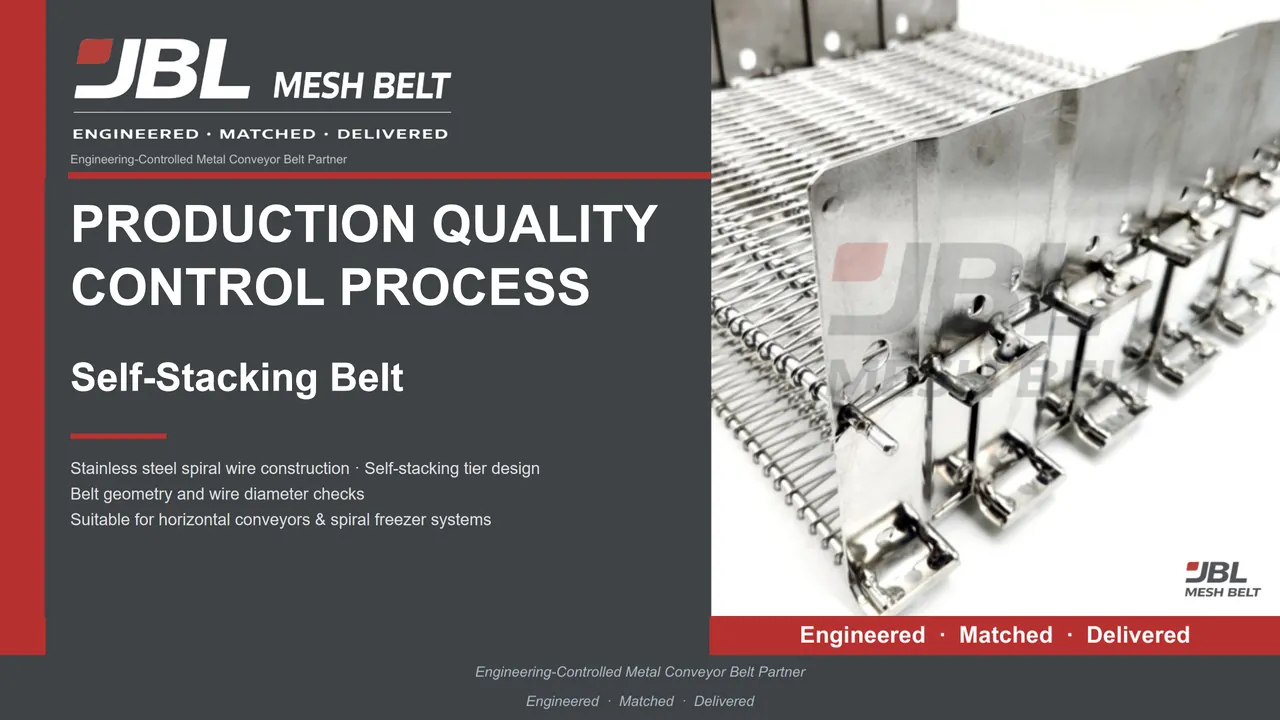
Weld joints are cleaned of arc residue, electropolished surfaces are checked for discolouration along the edge, and clips must be fully seated on the modules. The photos below come from our own inspection training file.

The joint is cleaned and inspected again.

Each clip is fully seated with no play.
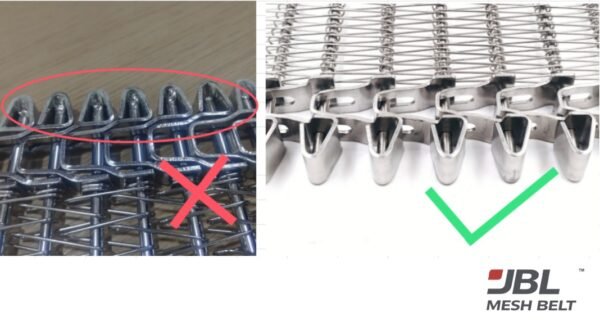
Discolouration left after electropolishing is sent back for re-polishing.
side-driven belt inquiry
Old belt photos, side-drive edge close-ups, tower photos, sprocket photos, belt width, pitch, and operating conditions are enough to start the review.
side-driven belt faq
FAQ 01
Send the product, operating temperature, cleaning method, required contact surface, and current belt photos. JBL Mesh Belt reviews the stainless steel or temperature-suitable POM route together with the side links and equipment; the selected mesh is fixed on the confirmed drawing.
FAQ 02
Confirm O/A width, rod pitch, rod diameter, spiral pitch and wire diameter for stainless mesh, side-link details, edge connection, and material. Send the measurements you have; JBL Mesh Belt compares them with the drawing or old-belt sample and records the final values on the confirmed drawing.
FAQ 03
Send the drum diameter, belt width, turn ratio, rod pitch, running direction, and sprocket tooth, bore, keyway, and wear details. JBL Mesh Belt reviews side-link engagement and turning geometry, then checks the agreed drum and sprocket test points against the confirmed drawing.
FAQ 04
Yes. Send full-belt photos, side-link and clip close-ups, ruler or caliper readings, sprocket photos, a running video, and a sample section when possible. JBL Mesh Belt identifies the missing data and compares the replacement with the old belt and equipment interfaces.
FAQ 05
Confirm running direction, clip or welded connection, wear-strip and guide contact, side clearance, joining method, temperature, washdown route, and cleaning chemicals. JBL Mesh Belt reviews contact points, surface, free movement, and material route; final installation and cleaning requirements follow the equipment and confirmed specification.
FAQ 06
Send the freezer model, drum diameter, belt width and length, turn ratio, rod pitch, mesh preference, side-link and clip details, sprocket dimensions, product, load, temperature, cleaning method, quantity, destination, and available photos, drawing, or sample.
All listed dimensions, mesh routes, side-drive structures, edge details, and project configurations can be customized, subject to engineering review and the confirmed drawing.
Reference specifications
| Parameter | Stainless steel mesh | POM mesh |
|---|---|---|
| Mesh material | SUS304 / SUS316 | POM (exact grade confirmed per project) |
| Spiral pitch | 5–23 mm | Not applicable |
| Rod pitch | 31.75 / 34 mm | 31.75 / 34 mm |
| Rod diameter | 6.0 mm | 6.0 mm |
| Spiral wire diameter | 1.2 / 1.4 / 1.5 / 1.6 / 1.7 / 1.8 mm | Not applicable |
| Belt width | 300–1100 mm; custom | 300–1100 mm; custom |
| Belt length | Custom (m or ft) | Custom (m or ft) |
| Surface treatment | Electropolishing | Metal parts confirmed per project |
| Edge treatment | Welded | Welded metal parts confirmed per project |
| Turn ratio | Confirmed per project | Confirmed per project |
Reference options from the 2026-10-02 public specification, pages 2, 4 and 6. Final dimensions and combinations follow the confirmed project drawing. Source: Side-Driven Belt Technical Specification, page 4 ↗
Read the documents for this belt
Side-Driven Belt: specification and production & quality control process, page by page
Opens in a new tab · no download · no sign-up
Document Library
Compare pitch, wire, edge, surface and sprocket options with your equipment before you send a drawing or old-belt photos. 13 technical specifications and 11 production and quality control documents for JBL metal conveyor belts and sprockets, page by page on your phone or computer.
Engineering review
Not sure which specification fits your line?
Send your drawing or old-belt photos on WhatsApp. We compare them with the specification and tell you what still needs to be measured.