...
JBL Mesh Belt JBL MESH BELT Request a Quote
Engineering Support

Review Turn Geometry and the Drive Interface as One System

Buyers need to know which dimensions control the turn, how the belt engages the drive, and what each photo or test actually demonstrates. JBL Mesh Belt separates drawing review, static layout, bench running, and installed-system evidence before release.

Geometry and test-stage evidence

Identify Static, Bench, and Installed Evidence Separately

For spiral and curved routes, a drawing, static turn layout, bench run, and installed-system record answer different questions. The caption should state the actual evidence stage.

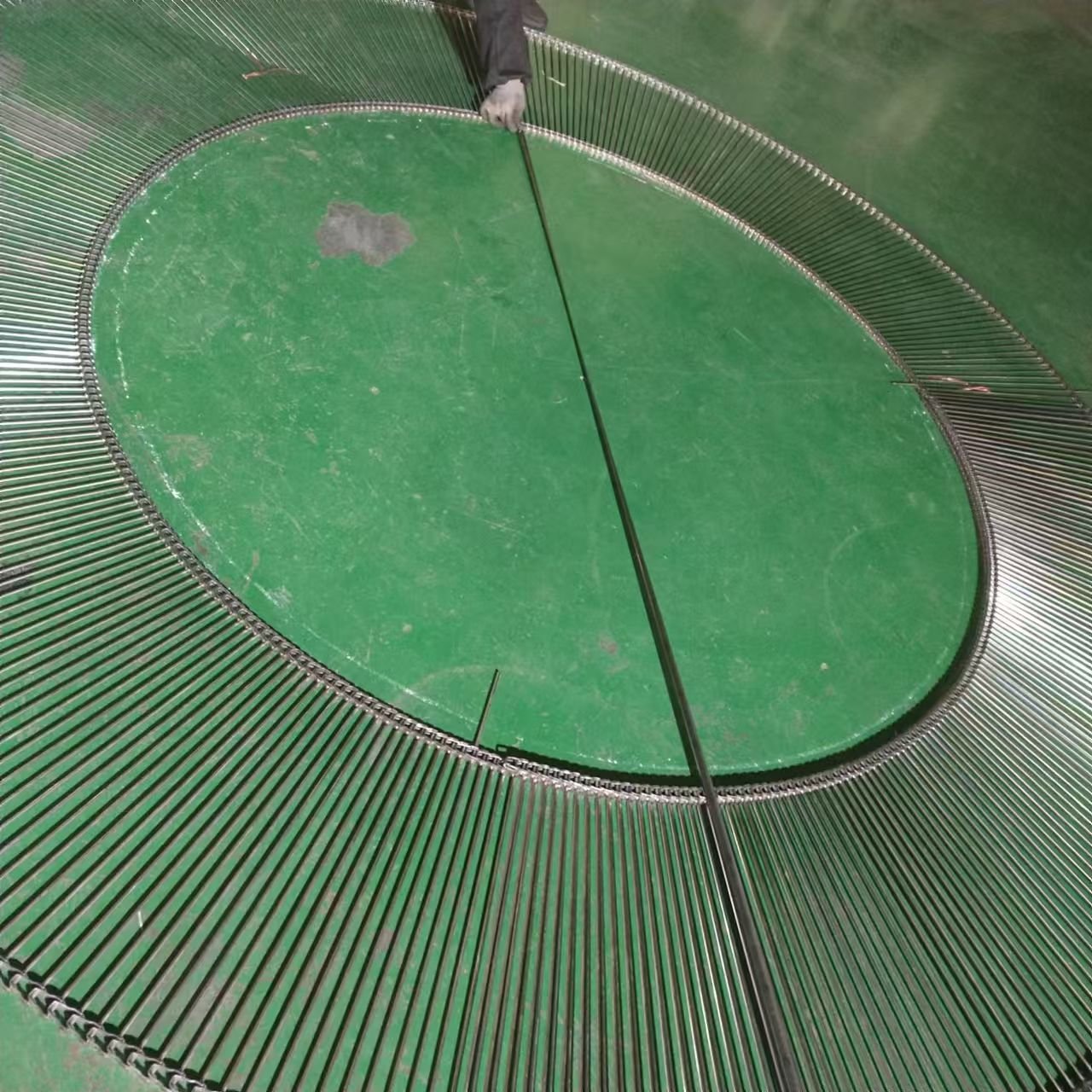
Static curved-layout reference

Static curved-layout reference

A full-circle workshop layout records visible turn geometry and a diameter-check setup; it does not show powered tracking, load, speed, or continuous operation.

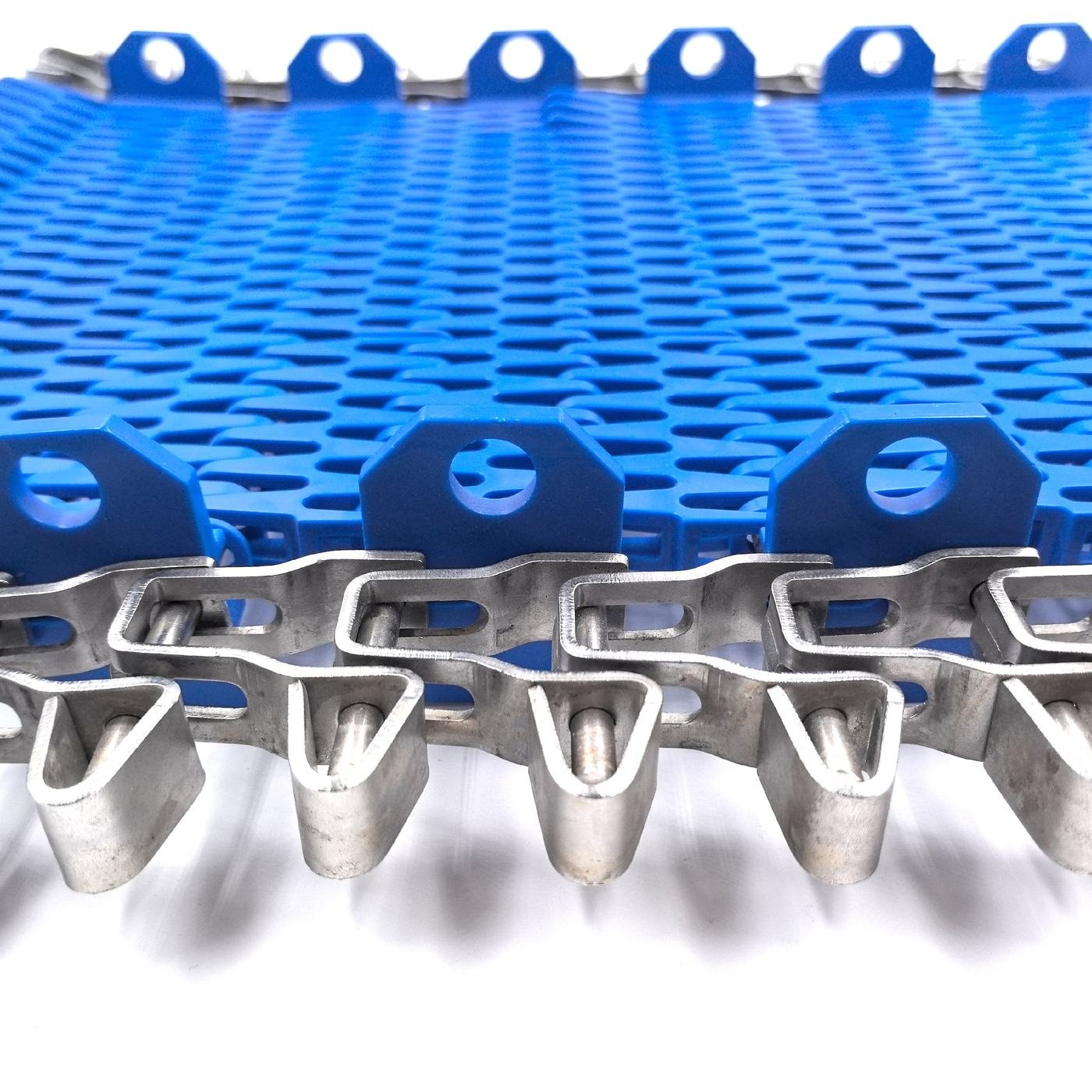
Side-drive geometry reference

Side-drive geometry reference

A static side-drive view can support tooth-path and clearance discussion without establishing running performance.
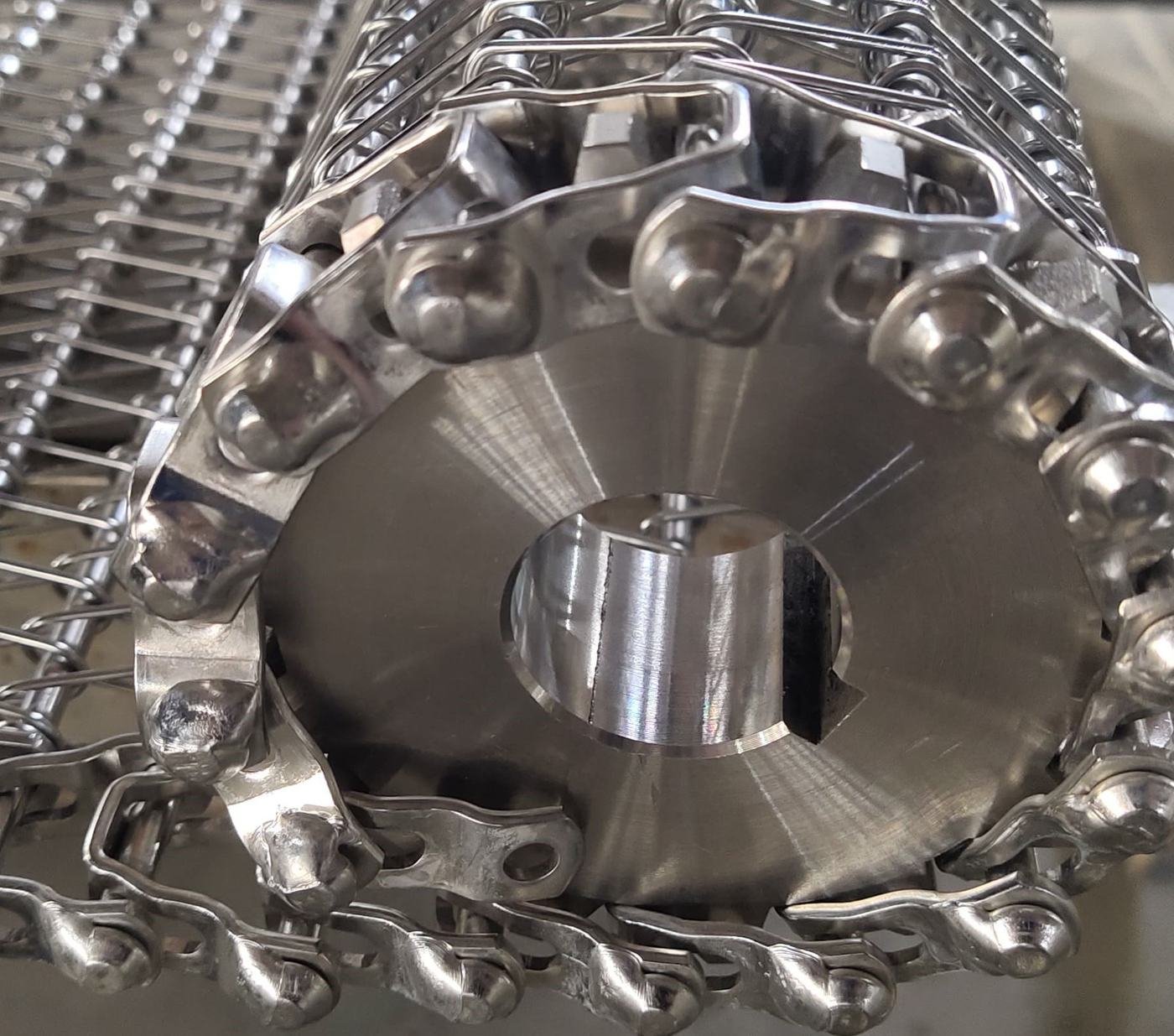
Equipment-route reference

Equipment-route reference

An equipment photo documents the visible route. Speed, load, direction, duration, and test conditions require separate records.

Evidence scope: Photos and records establish only the visible product, measurement, inspection, test, or packing step shown. They do not by themselves confirm installed performance or interchangeability. Final release follows the confirmed drawing, operating data, drive interface, and agreed validation scope.

Verified project evidence

Manual Sprocket Engagement Check Before Shipment

These anonymized records come from a completed 200 m spiral-belt project supplied with matched sprockets. The workshop background is intentionally blurred; the sprocket, side links, and immediate engagement area remain visible.

Side-link engagement view

A close vertical view records the sprocket entering and releasing from the belt side links during manual movement.

Repeated tooth-contact view

A second angle records repeated contact along the inspected belt section while the sprocket is moved by hand.

Evidence boundary: the clips document a manual sprocket-to-link engagement check on the shown belt section. They do not establish powered running, product-load behavior, installed tracking, line speed, or long-duration performance.

What Buyers Should Send for Review

Turn geometry: belt overall width, inside path or radius, centerline reference, outside path, turn direction, drum or cage dimensions, tier pitch, and clearance
Belt structure: spiral pitch, rod pitch, rod and wire diameter, link or side-plate geometry, edge finish, center links, and turn-ratio definition
Operating conditions: product and belt load, belt speed, temperature, tension route, cleaning method, airflow or drainage needs, and known running concerns
Drive interface: sprocket pitch and tooth profile, tooth count, bore, keyway, shaft position, wear condition, guide path, return path, and drive direction

Possible Review Outcomes

The submitted geometry and drive data are sufficient for the next drawing or quotation step
Specific dimensions, sprocket details, or operating inputs remain open and must be measured
A static turn layout or physical sample will answer a geometry question before a larger release
A bench or fixture running check is appropriate for a defined engagement or movement question
Installed-system evidence or OEM confirmation is still required because the available test does not reproduce the actual line
Evidence stages

Name the Evidence Stage Before Drawing a Conclusion

These stages are not interchangeable. The review record should state the setup, measured condition, speed, load, direction, and equipment context that apply to the evidence shown.

01

Drawing and Dimension Evidence

Establishes: Submitted geometry, revision notes, and the photographed reading at a specific measurement point.

Limit: It does not show physical turning, powered engagement, or installed performance.

02

Static Turn Layout

Establishes: Visible bending or turn geometry when the belt is arranged around a stated diameter or radius without powered running.

Limit: It does not establish tracking, tension behavior, load response, speed, or continuous operation.

03

Bench or Fixture Running

Establishes: Movement, tooth engagement, or repeatability within the documented test fixture, speed, direction, and setup.

Limit: It does not reproduce the complete conveyor, product load, temperature, guides, return path, or on-site conditions unless those are documented.

04

Installed-System Running

Establishes: Observed behavior on the identified conveyor under the stated line conditions and recording period.

Limit: It applies to those recorded conditions and does not guarantee performance after unrecorded equipment, product, speed, or maintenance changes.

Drive interface

Review the Belt, Sprocket, Shaft, and Guide Path Together

Turn geometry alone does not define the drive decision. Belt pitch, sprocket contact, shaft details, guide clearance, return path, and wear evidence should be tied to the same drawing revision and test scope.

Belt pitch against sprocket tooth profile and contact position

Tooth count, bore, keyway, set screw, shaft location, and drive direction

Old sprocket wear, tooth damage, alignment, and evidence of pitch jump or side pull

Guide, rail, drum, side clearance, transfer, and return-path interfaces

Which component is existing, which is being replaced, and which reference controls the match

The agreed evidence before release: drawing, sample, static layout, bench run, or installed-system confirmation

Minimum Useful Input Set

Send the latest layout drawing, belt cross section, width and pitch data, drum or cage dimensions, turn direction, tier and clearance notes, sprocket and shaft details, belt speed, load, temperature, and any existing test or line video.

Agree the Next Evidence Step

The review may close an open drawing point, identify a required measurement, request a static layout, define a bench engagement check, or leave an installed-system question with the OEM or buyer. The result should state which step applies.

Seraphinite AcceleratorOptimized by Seraphinite Accelerator
Turns on site high speed to be attractive for people and search engines.