JBL Mesh Belt JBL MESH BELT Request a Quote
Compound Weave Belt product and application reference
Engineering-reviewed product route

Compound Weave Belt

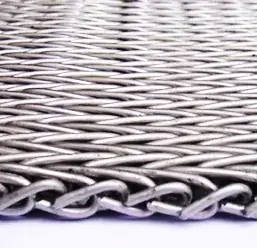
Compound weave belt review focuses on dense product support, lateral stability, wire route, edge behavior, and the installed conveyor path.

Used for process lines where a simple open mesh route is not enough and the buyer needs better support, stability, or controlled product contact.

wire route
compound pitch
product support
edge behavior
tracking
shipment record
Specification Review

Information to Confirm Before Quotation

Final product selection is confirmed from the drawing, sample, old-belt evidence, and installed-line conditions available for the project.

Material
SS304 / carbon steel by temperature, washing, and product-contact condition
Structure
Compound / herringbone weave route; final pitch and wire route confirmed by drawing or old sample
Application
Drying, cooling, washing, heat treatment, food transfer, and dense support conveyors
Review Basis
Product size, load, temperature, belt width, edge style, drive route, and cleaning condition
Risk Check
Wrong spiral direction, uneven edge tension, pitch mismatch, and surface flatness issues
Release Evidence
Structure photos, sample comparison, shipment photos, packing record, and repeat-order data

Missing some data? Send the drawing, photos, and dimensions you have; JBL Mesh Belt will identify the remaining Compound Weave Belt review points.

Start Product Inquiry
Evidence and Application

Review Product, Inspection, Application, and Packing Evidence

These original images show product, inspection, application, or packing references while keeping customer names, shipping labels, and private project information out of public view.

Compound Weave Structure
Structure evidence

Compound Weave Structure

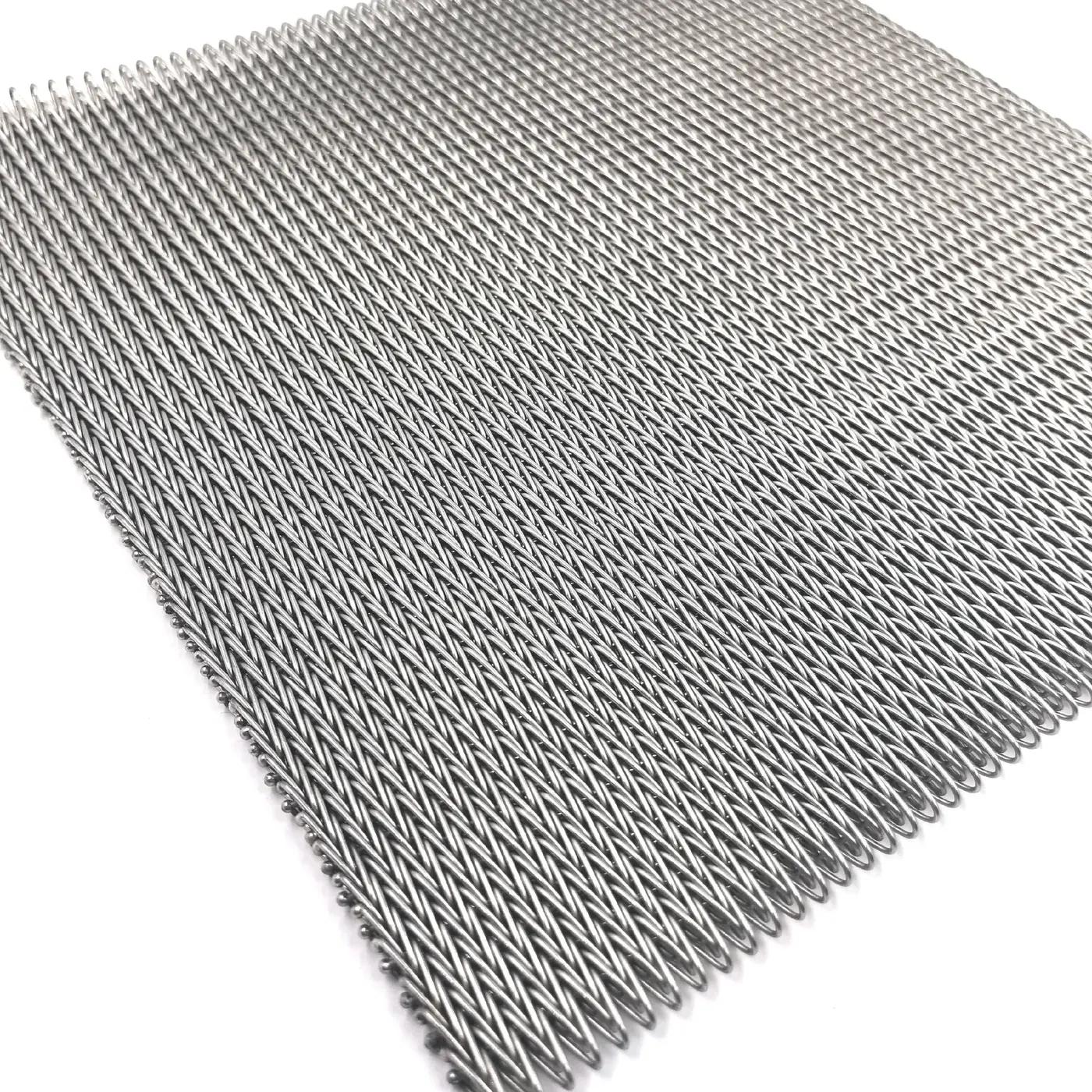
Structure evidence helps review wire route, product support, and open-area behavior before specification confirmation.
Specification Reference
Specification evidence

Specification Reference

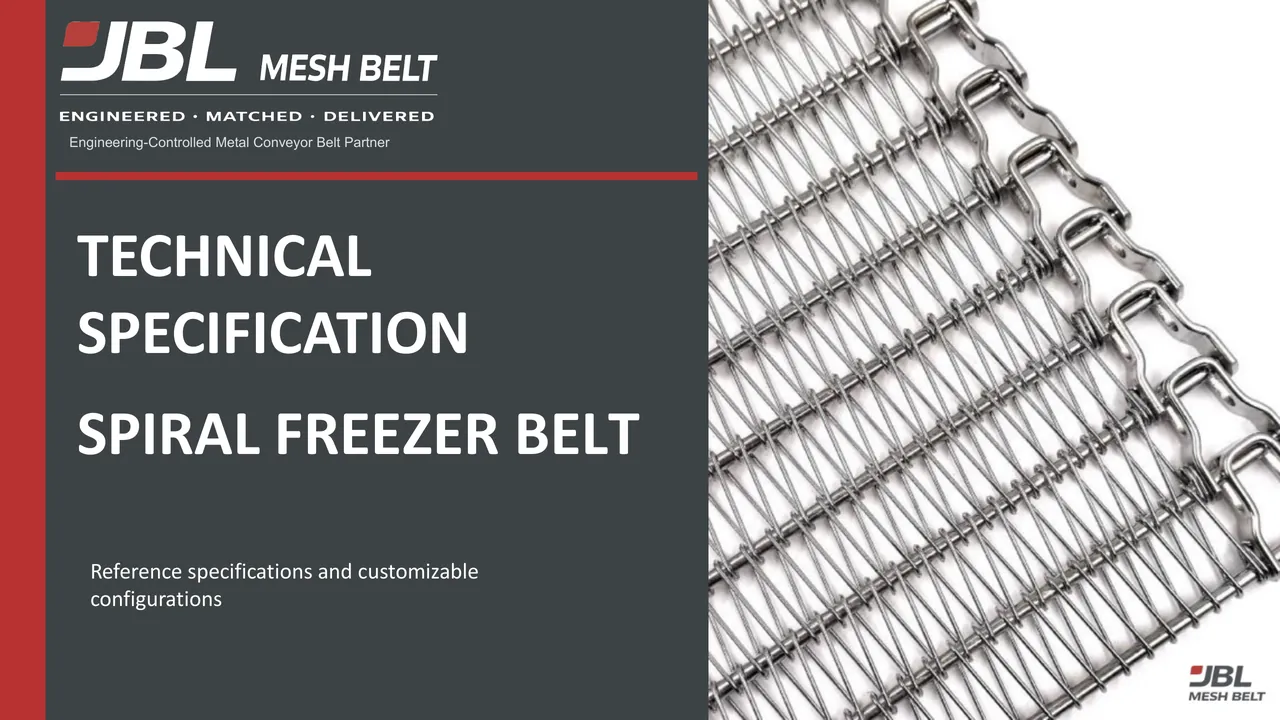
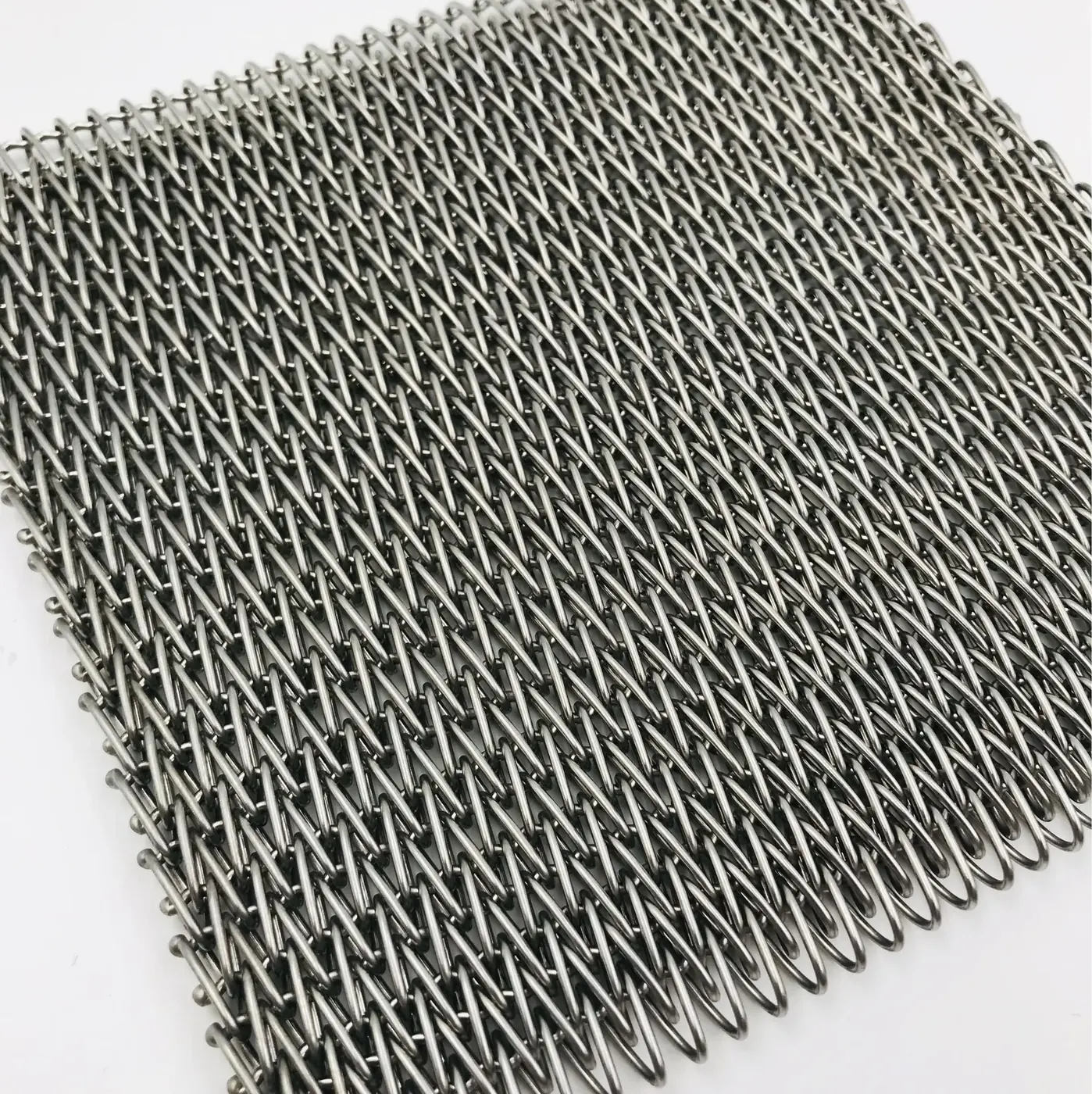
Specification drawings or old-belt measurements help define pitch, width, edge, and repeat-order control.
Actual Shipment Evidence
Shipment evidence

Actual Shipment Evidence

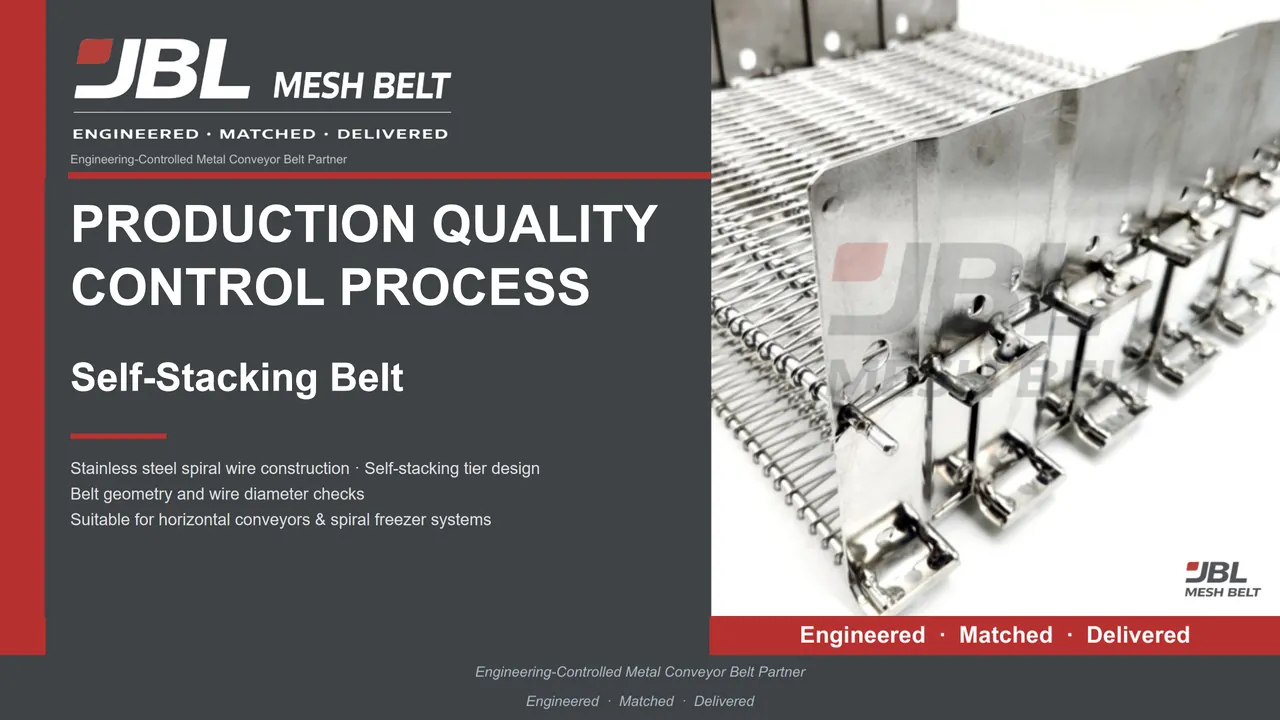
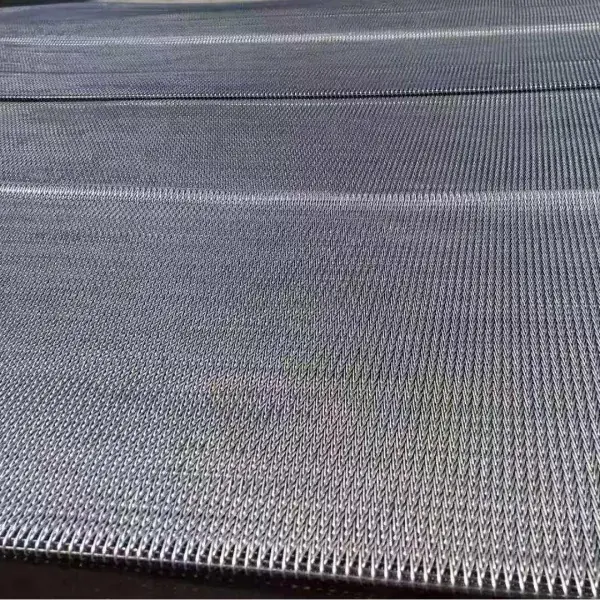
Shipment photos support product release, packing review, and future replacement communication.

Applications

Where This Route Is Usually Reviewed

Drying systems
Cooling routes
Washing conveyors
Food transfer
Industrial heat process lines
Review Conditions

What Should Be Checked

Denser mesh support can reduce product drop-through risk compared with lighter open routes
Useful when product support and airflow must be reviewed together
Replacement review can begin from old belt photos, edge photos, and measured pitch
Shipment evidence can be archived for repeat orders and distributor projects
Risk Review

Common Risks Should Become Checkpoints

Review these common failure points as practical checkpoints before quotation, drawing approval, or production release.

Wrong weave direction or pitch can change tracking and product support.
Edge finish and diagonal behavior should be checked before release.
Material choice should be matched to temperature, washing, and product-contact environment.
Inquiry Inputs

What Buyers Should Send

Complete drawings are helpful, but preliminary review can start from photos, samples, measurements, and operating conditions.

Old belt photos or sample
Belt width, wire diameter, pitch, opening, and edge style
Product size, load, temperature, and cleaning method
Drive route, transfer point, and tracking-path photos
Packing and documentation requirements

Information for Your Belt Inquiry

Start with the information you already have. Our team will clarify missing details before confirming a quotation.

Dimensions

Share the belt width, pitch, wire or rod diameter, and available drawing or sample measurements.

Operating conditions

Describe the conveyed product, load, temperature, belt speed, and cleaning conditions.

Equipment and drive

Include the equipment type, drive details, and existing belt or sprocket photos when available.

Project requirements

Tell us the quantity, destination, target delivery date, and required inspection documents.

Available Release Evidence

Evidence Buyers Can Ask JBL Mesh Belt to Prepare

Ask which records are available for the specific OEM, distributor, or replacement project under review.

Photo review

Old belt, product, edge, drive, or application photos.

Measurement record

Width, pitch, wire, rod, edge, or part dimensions.

Inspection evidence

Material, weld, burr, running, or release checks.

Packing record

Belt, parts, label, crate, and accessory evidence.

FAQ

Buyer Questions Before Sending Details

FAQ 01

How do I know whether a Compound Weave Belt is right for my product?

+

Send the product size and load, required support, airflow or drainage, temperature and conveyor path. JBL Mesh Belt reviews whether the denser weave suits the process; final selection follows the project review and confirmed drawing.

FAQ 02

Which Compound Weave Belt parameters do I need to confirm?

+

Share any known width, wire diameter, compound pitch, opening, spiral direction, edge style, material and operating conditions. JBL Mesh Belt checks these values together, and final dimensions follow the confirmed drawing or old-belt sample review.

FAQ 03

How do I confirm the belt will work with my drive system?

+

Provide drive, shaft, guide and installed-path photos with any pitch or sprocket data. JBL Mesh Belt reviews the weave direction, edge route, tracking and drive contact before the project configuration is confirmed.

FAQ 04

Can my existing Compound Weave Belt be replaced without the original drawing?

+

Send full-belt, edge, joining and damaged-area photos, measured width, pitch and wire data, plus a sample when available. JBL Mesh Belt compares the old belt and conveyor interface, then records the agreed replacement route in the confirmed project drawing.

FAQ 05

What should I check for installation and cleaning?

+

Share the running direction, support and guide path, transfer gaps, joining method, wash process, residue and drying requirements. JBL Mesh Belt reviews weave orientation, tracking and cleanability; final installation and cleaning details follow the confirmed project configuration.

FAQ 06

What information should I send for a Compound Weave Belt quotation?

+

Send the application, operating conditions, available belt and drive dimensions, edge and material needs, quantity, delivery target and required records. JBL Mesh Belt identifies missing points and quotes against the confirmed project scope.

All listed dimensions and configuration options can be customized for the project, subject to engineering review and the confirmed drawing.

SOP / Project control

Compound Weave Belt Orders Are Released Through a Controlled Review Route

Compound Weave Belt review should connect product structure, available evidence, inspection records, packing route, and repeat-order information before production release.

Buyer trigger

You do not need a complete specification to start. Send the available drawing, old belt photo, sprocket photo, system photo, or running video first. The JBL Mesh Belt team will reply with the missing review points.

Product order-control SOP

These SOP points are converted from JBL Mesh Belt order-control, QC, packing, and delivery documents into buyer-facing checkpoints.

Step 01

Start from practical evidence

Old belt photos, samples, drawings, conveyor photos, product load, temperature, cleaning condition, and running videos can start the review.

Step 02

Confirm dimensions before release

Width, pitch, wire, rod, edge type, mesh opening, drive route, material, and accessory requirements are reviewed before production.

Step 03

Convert risk into inspection points

Weld quality, burr risk, sharp points, surface condition, edge alignment, sprocket fit, and packing protection become release checks.

Step 04

Keep repeat-order records

Confirmed specs, photos, packing records, accessory lists, and shipment documents can be archived for future replacement or repeat orders.

Send the available drawing, sample, operating details, and inspection requirements for a project-specific review.

Product review inquiry

Send the available drawings, photos, samples, and operating details.

JBL Mesh Belt can identify which specification details are missing before quotation or production confirmation.

Reference specifications

Compound Weave Belt reference specifications

Compound Weave Belt reference specifications
ParameterReference options
MaterialSUS304 / SUS316 / mild steel
Spiral pitch6–20 mm
Spiral wire diameter1.2 / 1.3 / 1.4 / 1.5 / 1.6 / 1.8 / 2.0 / 2.5 / 3 mm; flat wire: custom width and thickness
Rod pitch6–20 mm
Rod diameter1.2 / 1.3 / 1.4 / 1.5 / 1.6 / 1.8 / 2.0 / 2.5 / 3 mm
Belt width200–3000 mm (7.87–118.11 in); custom
Belt lengthCustom, specified in m or ft
ModelCB2 / CB3 / CB5
Edge treatmentWelded
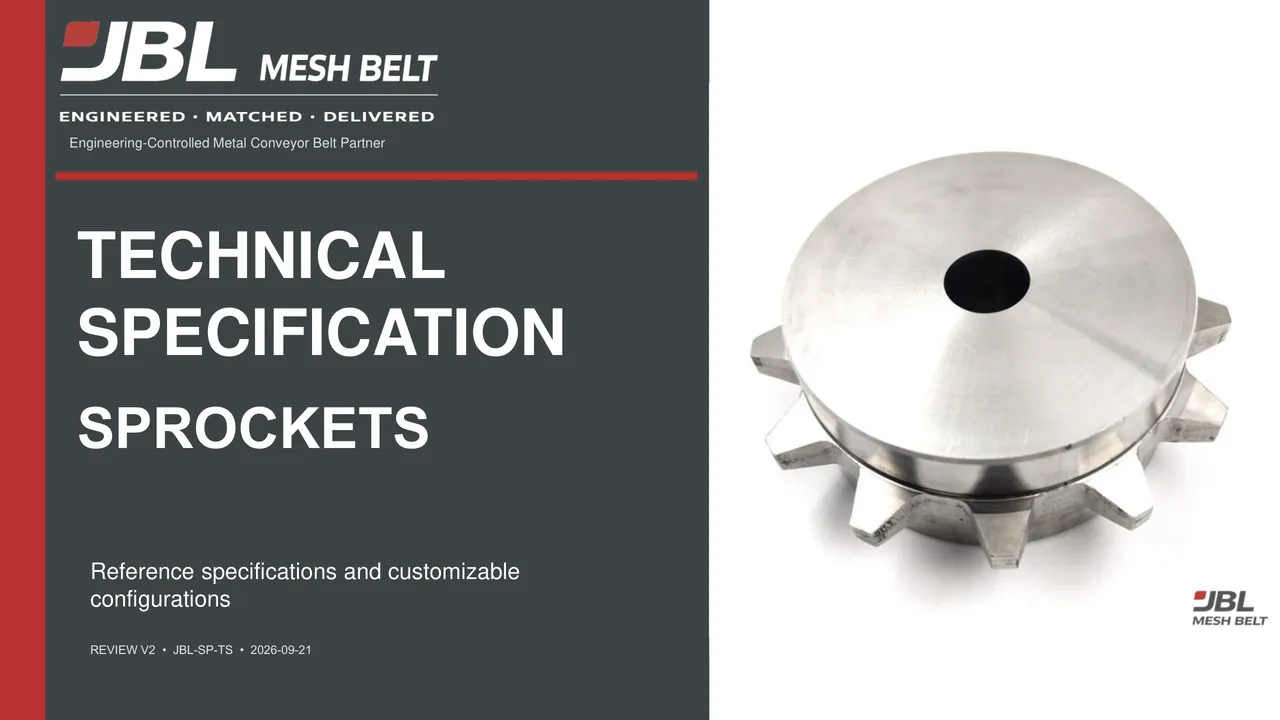
SprocketsOptional; material, tooth count, bore and keyway per drawing

Reference options from the 2026-10-02 public specification, pages 2 and 5. Final dimensions and combinations follow the confirmed project drawing. Source: Compound Weave Belt Technical Specification, page 5 ↗

Read the documents for this belt

Compound Weave Belt: specification and production & quality control process, page by page

Opens in a new tab · no download · no sign-up

Document Library

Check the specification before you order or replace a belt

Compare pitch, wire, edge, surface and sprocket options with your equipment before you send a drawing or old-belt photos. 13 technical specifications and 11 production and quality control documents for JBL metal conveyor belts and sprockets, page by page on your phone or computer.

Engineering review

Not sure which specification fits your line?

Send your drawing or old-belt photos on WhatsApp. We compare them with the specification and tell you what still needs to be measured.