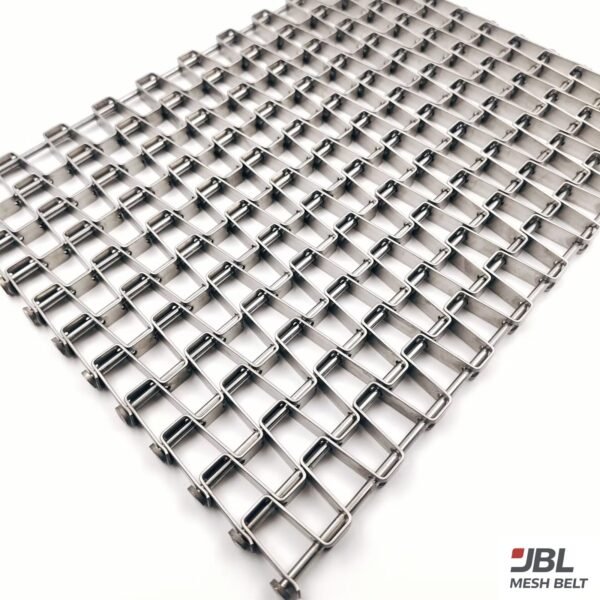
Review Point
Flat Wire / Honeycomb Carrying Surface
Open flat support surface for product transfer, cooling, draining, and drying routes.
Confirm: open area / product contact / cleaning route
flat wire belt / honeycomb belt
For replacement or new conveyor projects, JBL Mesh Belt reviews belt pitch, open area, edge structure, sprocket engagement, and packing evidence before quotation and production.
Application
Bakery, frying, washing, drying, cooling, draining, packaging, and tunnel conveyor lines
Review Focus
Flat support / open area / sprocket engagement / edge alignment / release packing
Project Route
New equipment supply, replacement matching, or sprocket-and-belt review before production
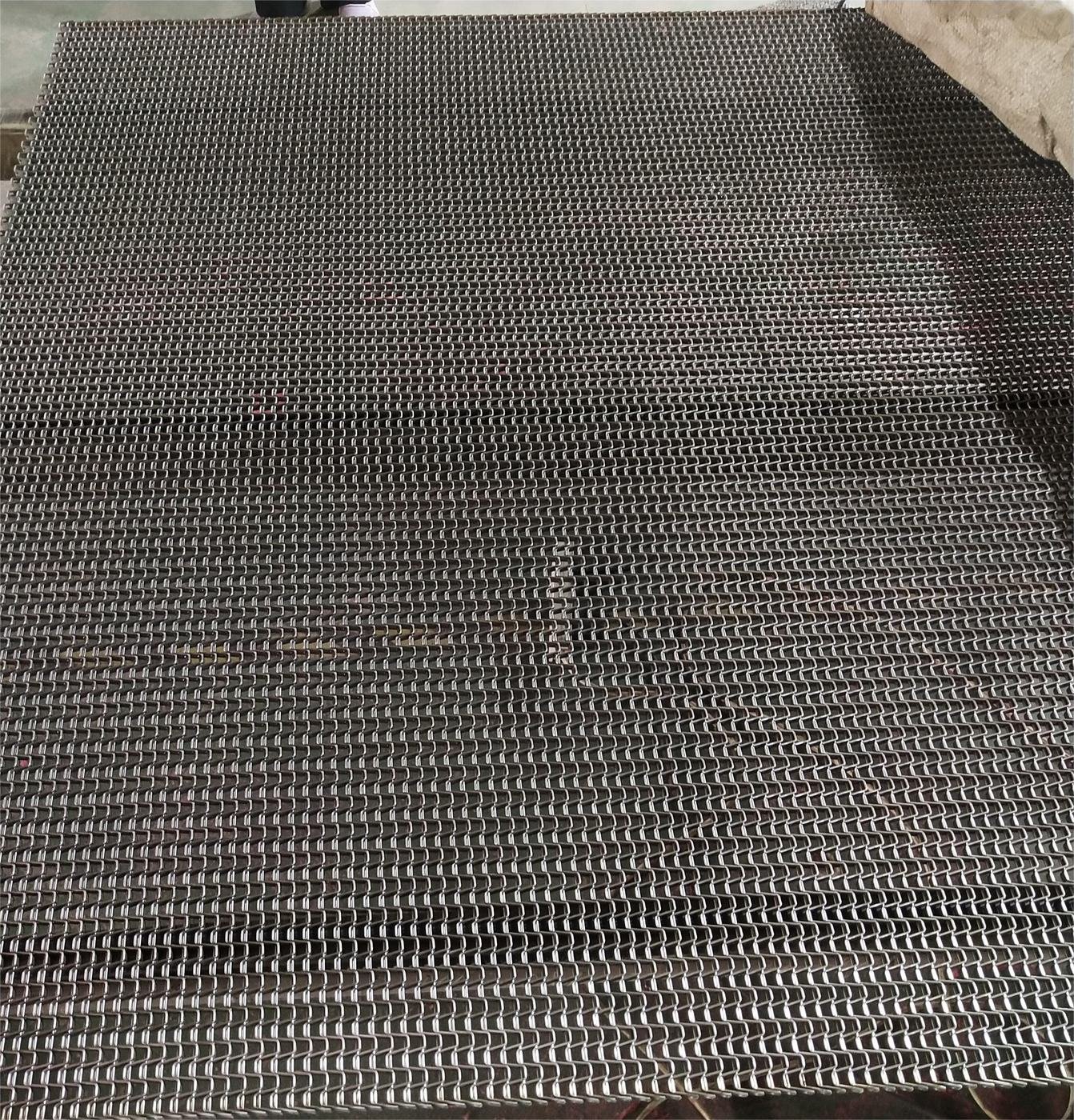
buyer review before quotation
Flat wire belts are selected when products need stable contact, high open area, washing or drainage access, and predictable transfer through straight conveyor sections.
A replacement flat wire belt should be reviewed together with sprocket photos, tooth count, bore, keyway, pitch, shaft route, and visible wear evidence.
The practical review is not only a catalog size. Overall width, mesh width, connecting rod, edge link, cross rod, and sprocket contact need confirmation before production.
Replacement review can start from old belt samples, installed-line photos, pitch measurement, sprocket photos, product load, temperature, and cleaning requirements.
product structure
Use the gallery as a practical review map: carrying surface, edge route, sprocket engagement, rod detail, and release evidence.
Review Point
Open flat support surface for product transfer, cooling, draining, and drying routes.
Confirm: open area / product contact / cleaning route
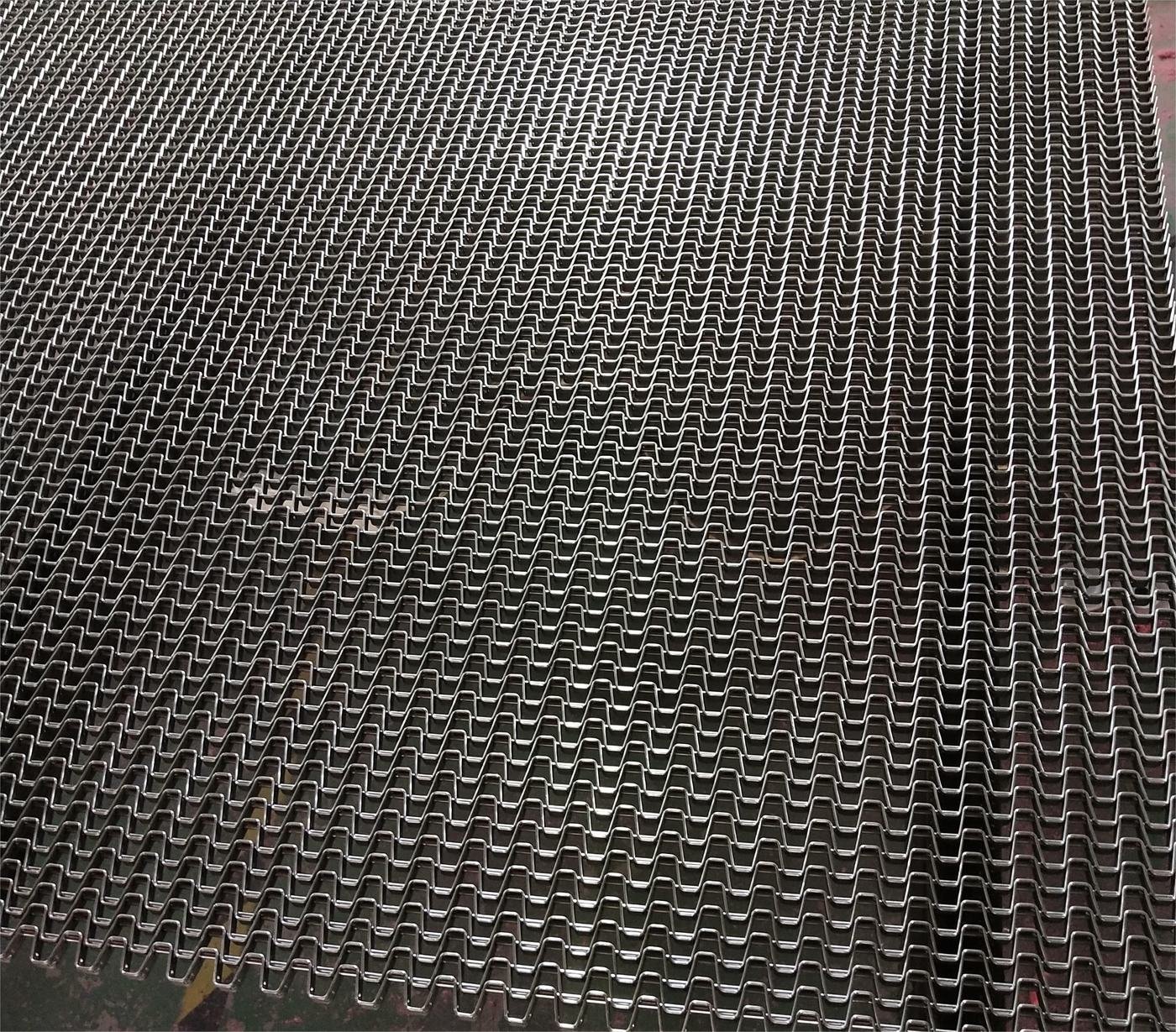
Review Point
Wide panels can be checked for mesh stability, straightness, and edge alignment before release.
Confirm: overall width / mesh width / edge line

Review Point
Flat wire aperture, cross rod position, and support surface are reviewed for product behavior.
Confirm: aperture / strip size / rod pitch
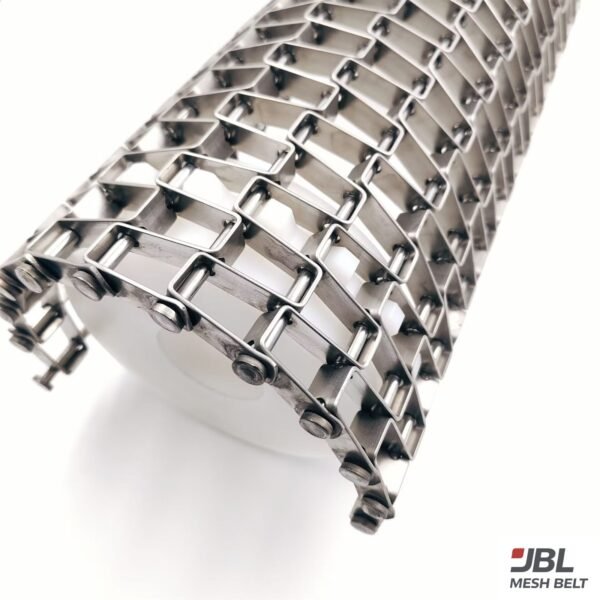
Review Point
Sprocket contact should match belt pitch, tooth profile, bore, keyway, and drive position.
Confirm: tooth count / pitch / bore / keyway

Review Point
Edge finish and link movement are checked to reduce tracking and contact risk.
Confirm: edge type / side clearance / tracking
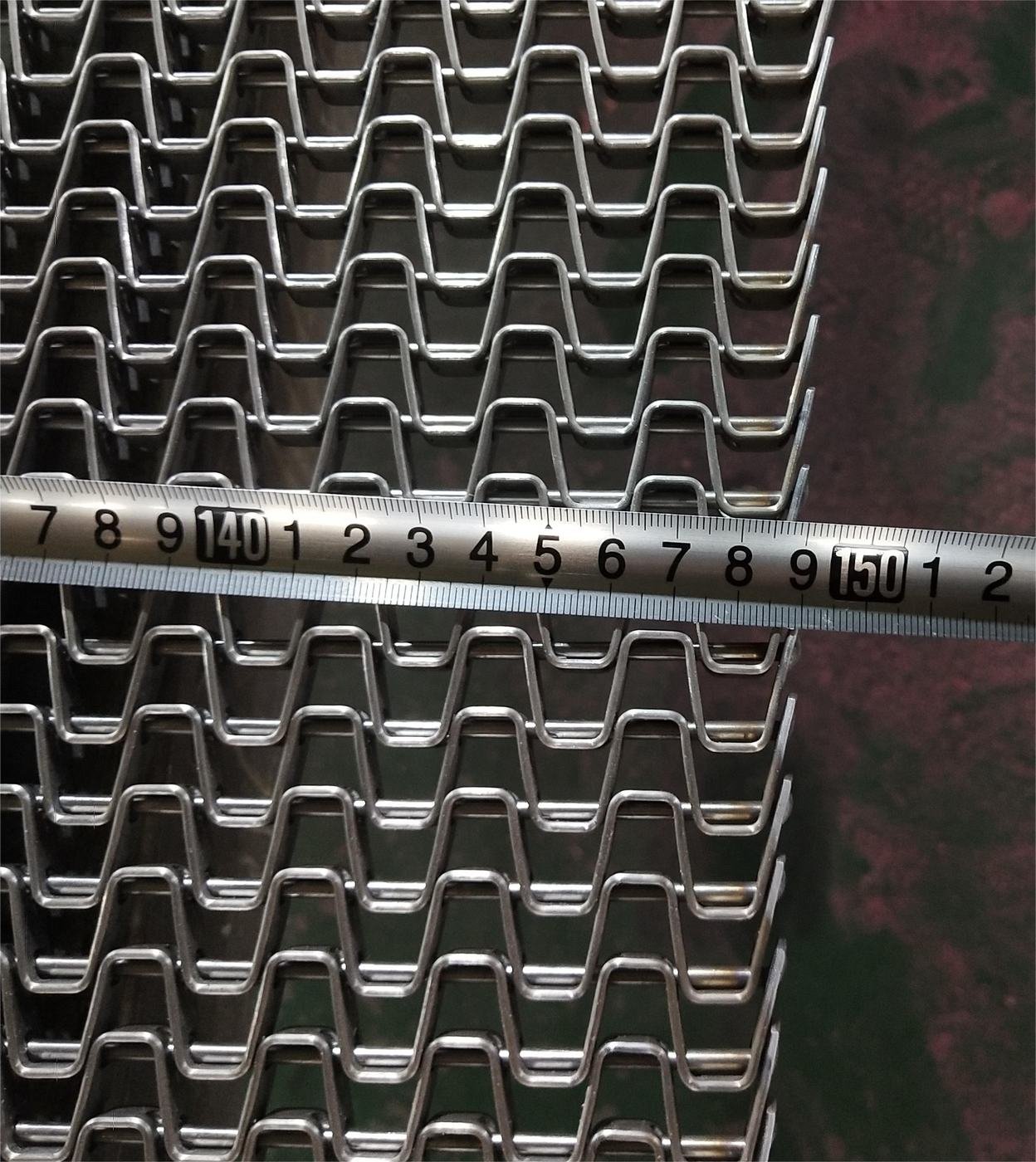
Review Point
Open area supports drainage, washing, cooling, drying, and product release.
Confirm: washdown / drainage / product residue
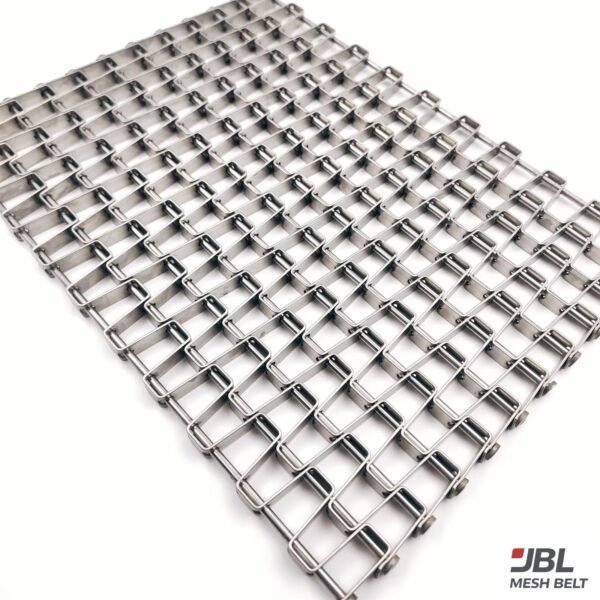
Review Point
Panel photos help review surface consistency and replacement fit before shipment.
Confirm: flatness / panel consistency / release view
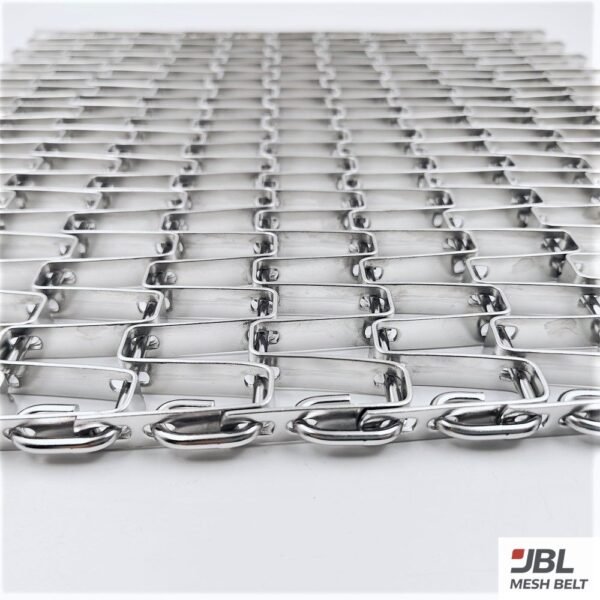
Review Point
Edge structure can be reviewed for driven routes, side wear, and system fit.
Confirm: chain edge / reinforced edge / guide path
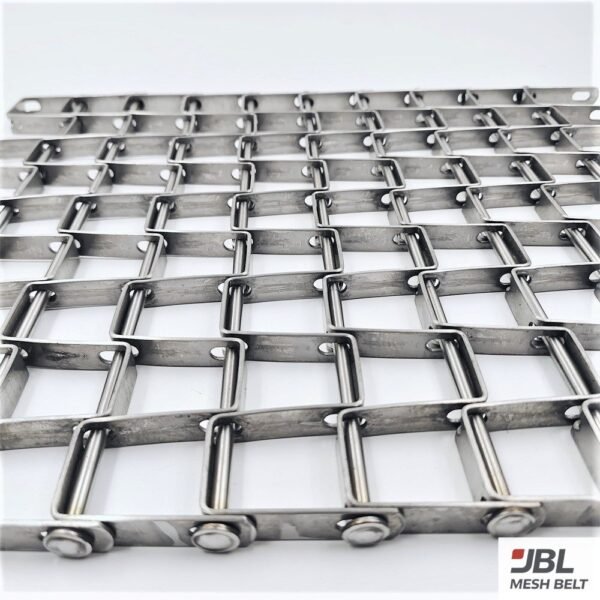
Review Point
Rod and link detail is used to confirm movement, pitch, and old belt matching.
Confirm: rod route / joint clearance / old sample
engineering specification
Flat wire belts are system-specific. The values below are not a sales catalog promise; they define the information JBL Mesh Belt should confirm before a reliable quotation.
Missing some data? Send the drawing, photos, and dimensions you have; JBL Mesh Belt will identify the remaining Flat Wire / Honeycomb Belt review points.
Start Flat Wire Inquirymaterial / release route
Food-contact and export projects can include stainless steel material confirmation, surface treatment review, dry packing, and shipment evidence before release.
completed sample-led replacement record
This anonymous export case is supported by the retained sample, project correspondence, trial measurements, comparison photos, finished-width record, and protected finished-belt photos. Values below belong to this project and are not universal catalog sizes.
Material
SUS304
Finished width
225 mm
Recorded length
30.5 m
Rod pitch check
27.40 mm
Strip height check
12.00 mm
Strip thickness check
1.60 mm
The replacement route began from a physical Rolmat / flat-wire sample supplied for structure matching.
Spacing, width, rod, strip, reinforced-plate and edge details were recorded from the sample and trial section.
The retained project correspondence records the drawing route; measured geometry was used for the drawing and for checks against it.
A trial section was made before the full order and checked at the defined dimensional points.
The trial structure and edge route were compared with the submitted reference before bulk production.
The retained project folder contains the trial comparison and dimension photos used for buyer review.
The completed order record identifies a 225 mm wide, 30.5 m SUS304 belt route.
Finished-width and finished-belt photos record the release check and protective packing stage.

Project Record
A spacing dimension was measured directly from the submitted replacement sample.

Project Record
The trial section was laid out against the retained reference route for visual comparison.
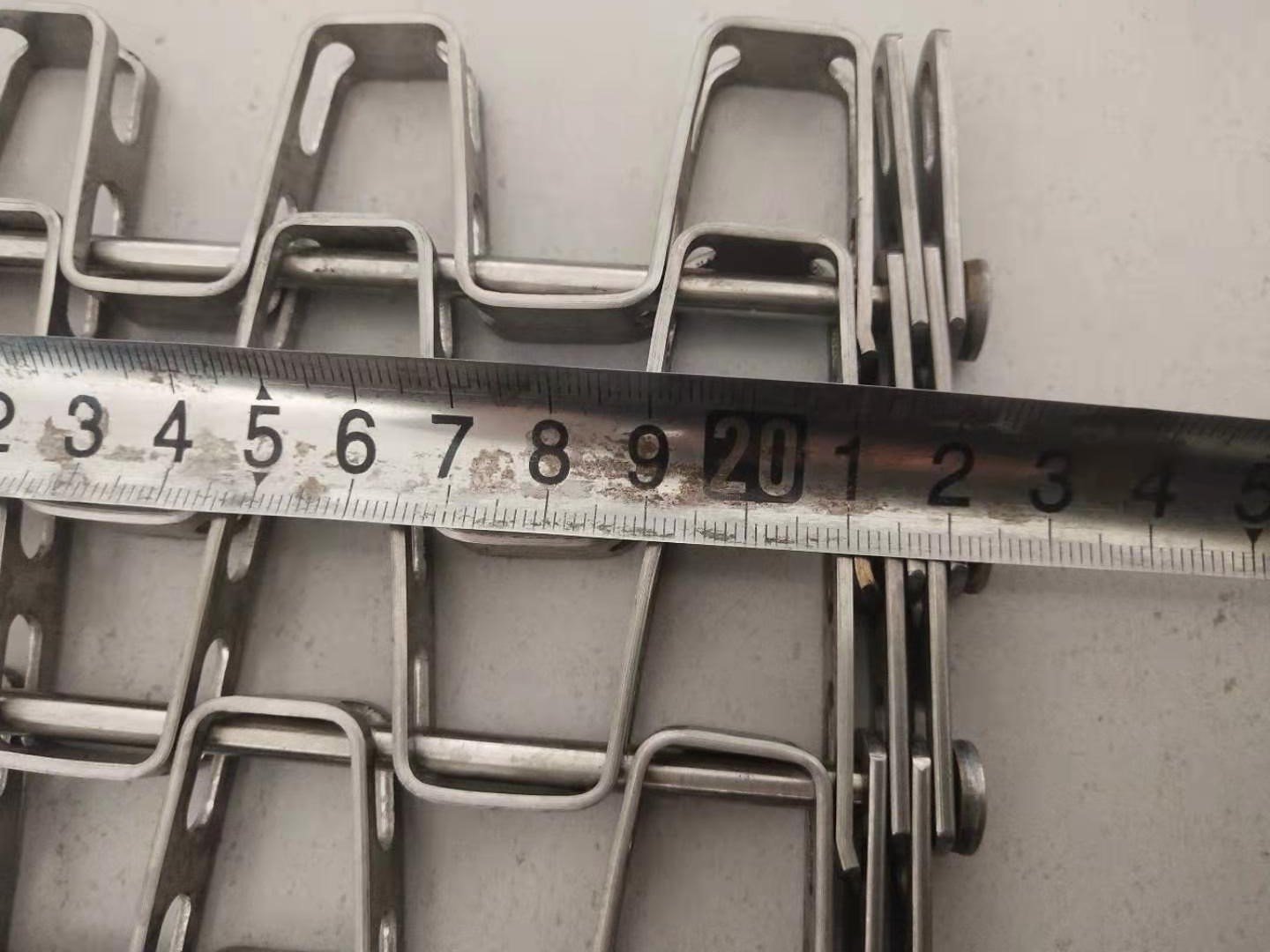
Project Record
The trial section was checked against the 225 mm project width before bulk production.
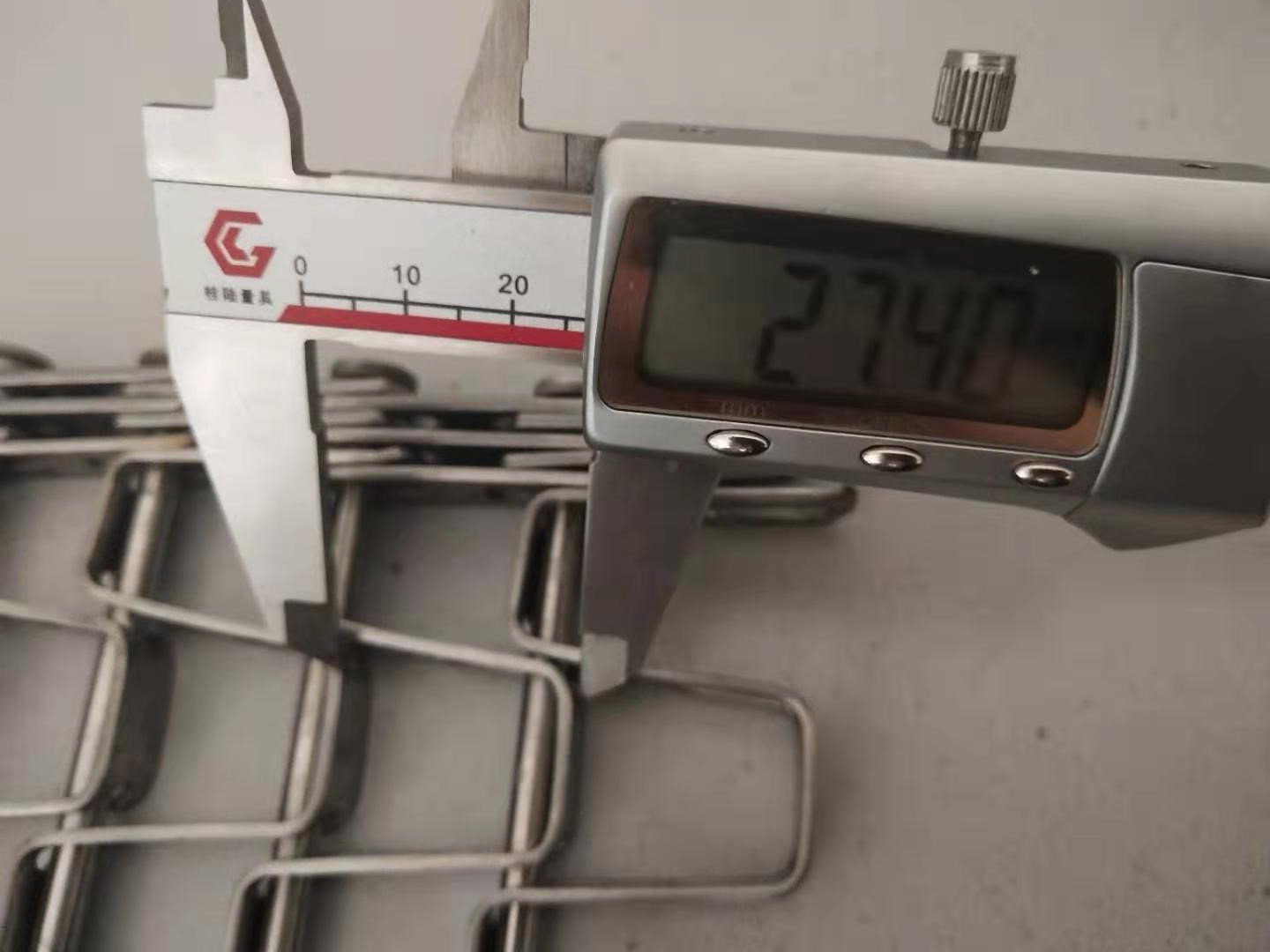
Project Record
The trial record shows a 27.40 mm rod-pitch checkpoint for this completed case.
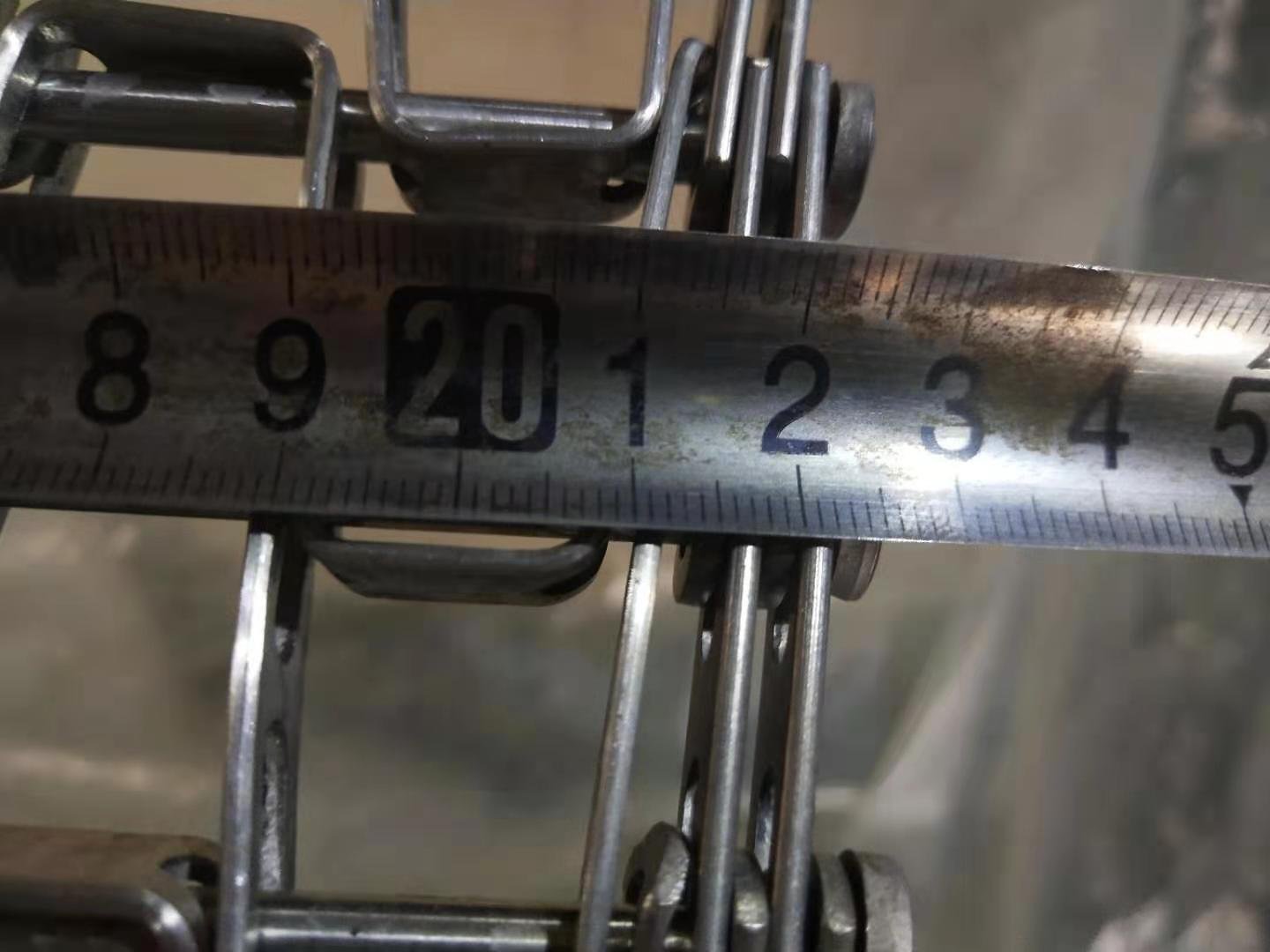
Project Record
The finished belt width was checked again at the release stage before protected packing.
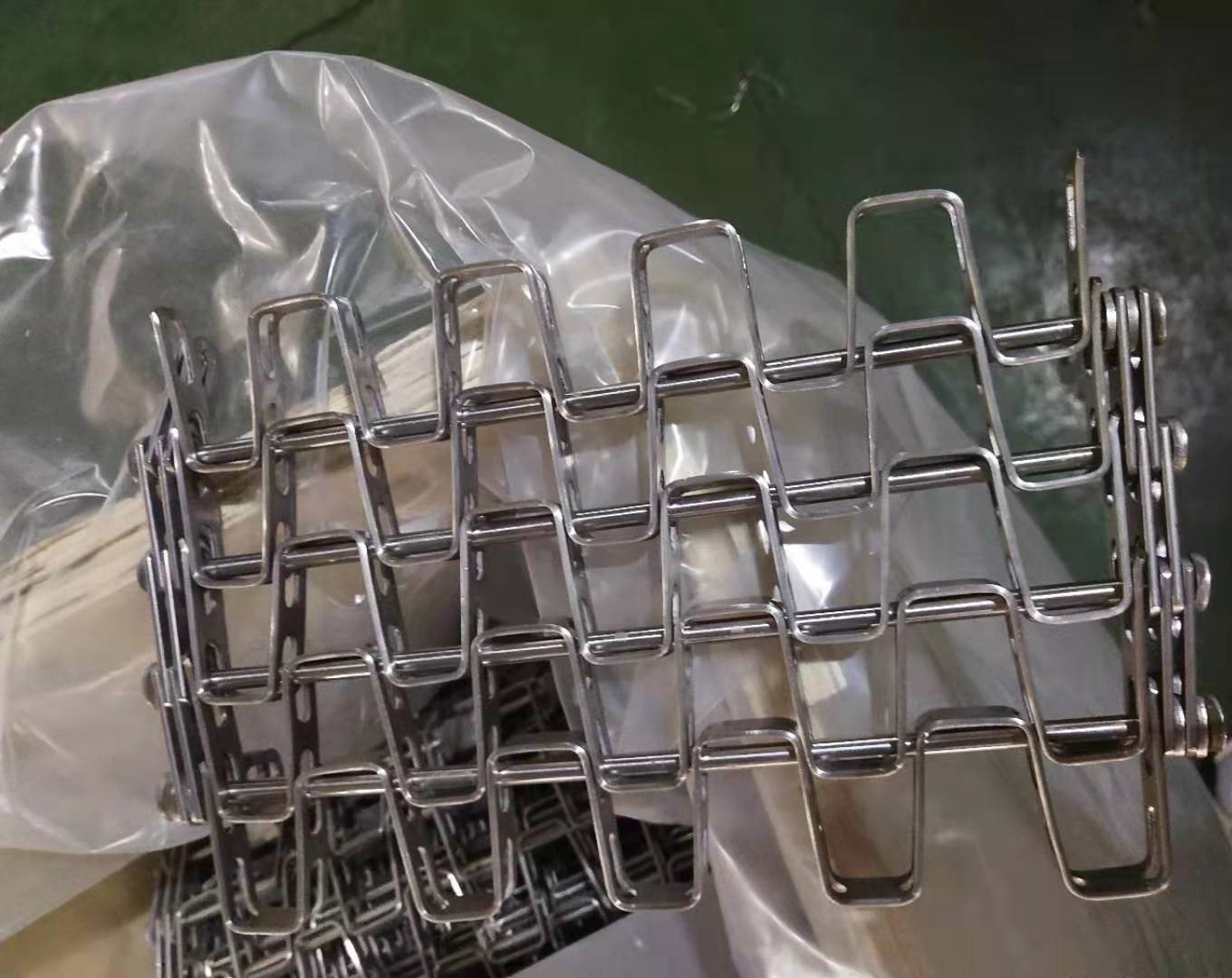
Project Record
The finished belt was photographed under protective packing before shipment release.
matched sprockets / drive components
A new belt can still fail early if the sprocket is worn, mismatched, or not aligned with the belt pitch. JBL Mesh Belt can review old sprocket evidence and supply matched parts when needed.
Tooth shape and pitch contact are checked with the belt before a replacement order is released.
Sprocket bore, keyway, set screw, and shaft fit should be confirmed when sprockets are supplied together.
A new belt can be damaged quickly if old sprockets are worn, mismatched, or not aligned with the belt pitch.
Replacement matching should treat the belt, sprocket, shaft, guide path, and product load as one route.

Drive Matching
Use this view to review pitch contact, tooth profile, sprocket wear, and belt movement together.

Edge Route
Edge structure is checked with side guide and drive route before release.

Joint Route
Rod and joint clearance affect movement, pitch consistency, and replacement fit.
risk review / replacement evidence
Flat wire belt review should turn photos into concrete checks: pitch, sprocket, edge, product support, surface finish, cleaning, and packing.
Pitch Mismatch
Wrong pitch or tooth profile can create jumping, noise, uneven wear, or early belt failure.
Product Marking
If support surface or open area is wrong, soft or flat products may mark, sag, or transfer poorly.
Edge Wear
Side guide contact, chain edge wear, or poor alignment can shorten belt life.
Cleaning Residue
Food-contact lines need surface finish, drying, and packing review before release.
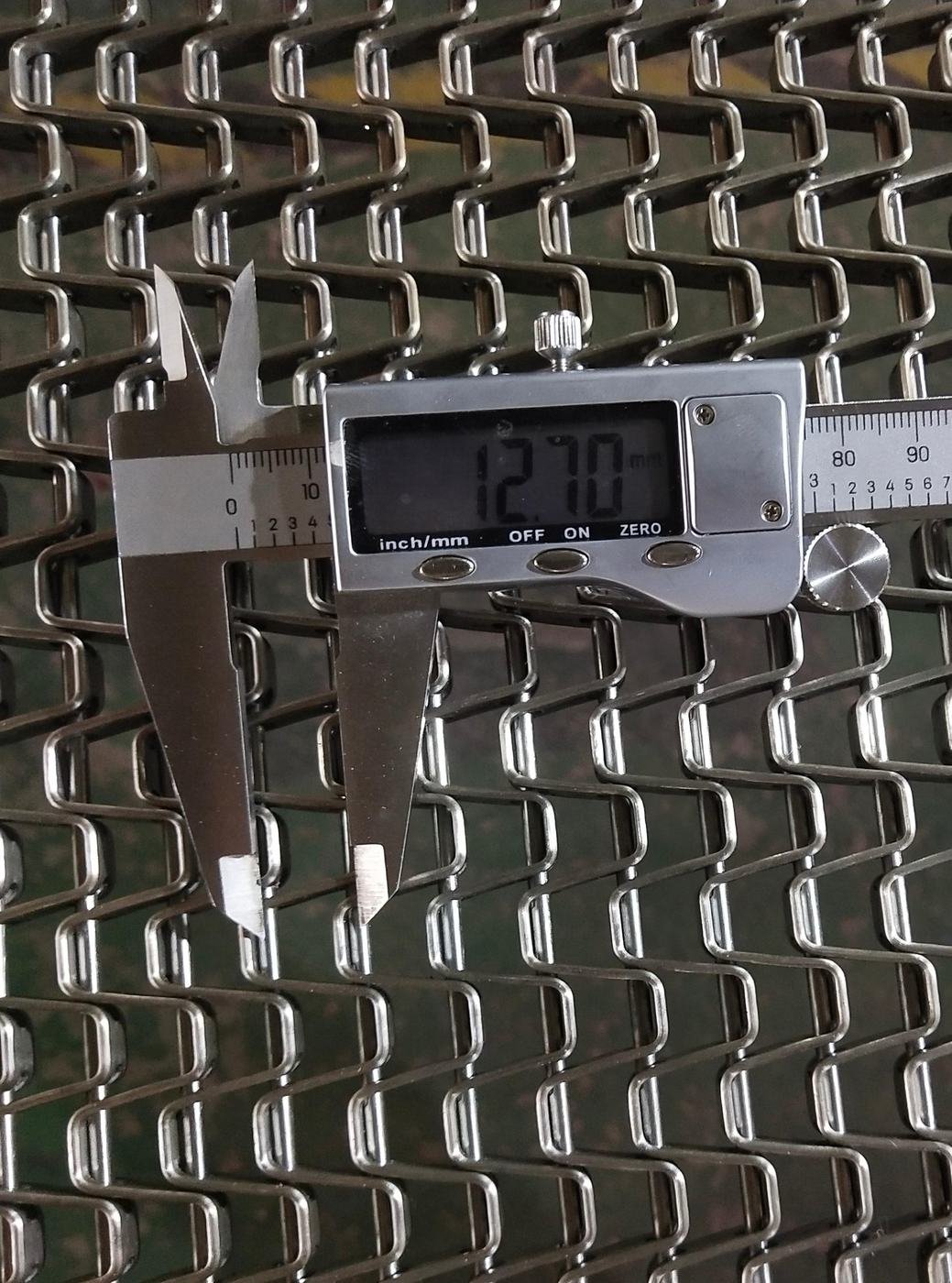
Inspection Evidence
Width records are used to reduce replacement mismatch before production.

Inspection Evidence
Production photos help confirm surface route, edge condition, and release status.
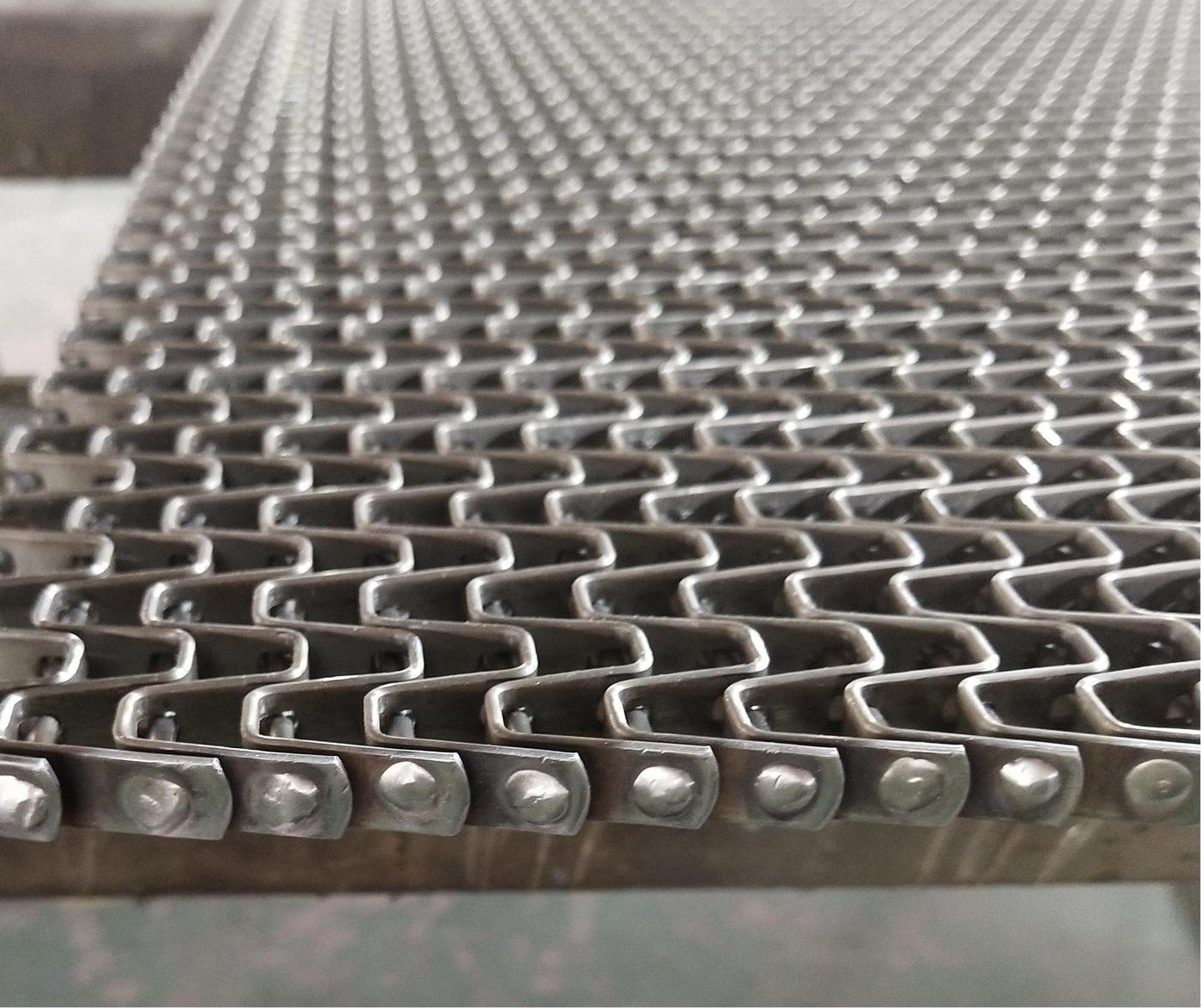
Inspection Evidence
Release views help buyers confirm the belt is packed only after inspection evidence is available.
replacement inputs
The fastest route is not a long message. A few clear photos and dimensions can start engineering review.
project-controlled release
Drawing / sample review
Sprocket engagement evidence
Final belt inspection
Neutral export packing
download / review pack
Use these document types to prepare your project review. Each file supports a specific buyer task: confirming pitch, checking support and airflow, measuring an old belt, or preparing release records.
Ask for the current specifications and inspection documents relevant to your project. Confirm the applicable document revision with JBL Mesh Belt before using it for production.
related resources
Buyers comparing flat wire belts usually also need help on product-family comparison, IQF route logic, and packing control before release.
Resource article
Open article
Resource article
Open article
Resource article
Open article
Flat wire belt projects are usually decided by product support, open area, drainage, pitch, sprocket engagement, and edge alignment. JBL Mesh Belt reviews these points before quotation so buyers do not need to guess from catalog names.
You do not need a complete specification to start. Send the available drawing, old belt photo, sprocket photo, system photo, or running video first. The JBL Mesh Belt team will reply with the missing review points.
These SOP points are converted from JBL Mesh Belt order-control, QC, packing, and delivery documents into buyer-facing checkpoints.
Product load, washing or drying route, drainage need, transfer position, and operating temperature are reviewed before belt selection.
Belt width, aperture, flat strip route, cross rod, edge link, and side clearance are confirmed from drawings, samples, or old-belt photos.
Tooth count, bore, keyway, pitch engagement, shaft route, and visible sprocket wear are checked when a positive-drive route is involved.
Old belt photos, measurement photos, sprocket photos, and packing records help reduce mismatch risk for repeat and replacement orders.
For project review, send old-belt photos, sprocket engagement photos, and available measurement records.
The inner faces of the strips are checked for scratches along the belt, and the corner gaps between rows are kept small so product does not catch. The photos below come from our own inspection training file.

Smooth inner face with no scratches.
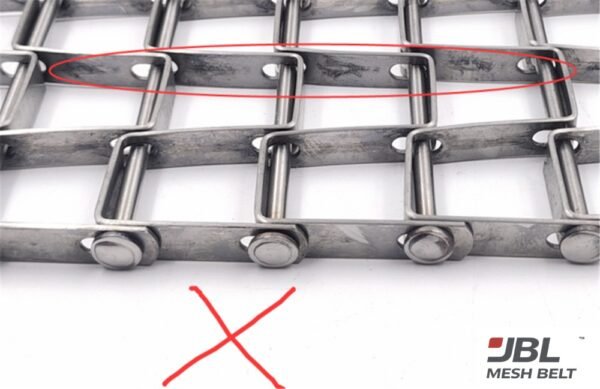
Scratched strips are replaced before shipment.
flat wire belt inquiry
Old belt photos, pitch, width, sprocket photos, tooth count, bore, keyway, and product conditions are enough to start the review.
flat wire belt faq
FAQ 01
Send the product size, load, transfer points and required airflow, drainage or washing conditions. JBL Mesh Belt reviews flat support, open area and release behavior; the final belt route follows the project review and confirmed drawing.
FAQ 02
Share any known overall width, mesh width, belt pitch, flat-wire or strip size, cross-rod size, aperture, edge route, material, temperature and cleaning condition. JBL Mesh Belt checks these values together, and final dimensions follow the confirmed drawing or sample review.
FAQ 03
Provide sprocket photos, tooth count, tooth profile, bore, keyway, shaft position, belt pitch and visible wear. JBL Mesh Belt reviews the belt and sprockets as one drive interface before the project configuration is confirmed.
FAQ 04
Send photos of the surface, both edges, joining area, damaged area and installed line, plus measured pitch and a sample when available. JBL Mesh Belt compares the old belt with the equipment interface, then records the agreed replacement route in the confirmed drawing.
FAQ 05
Share transfer gaps, support rails, guide clearances, joining method, washdown, drainage, residue and drying requirements. JBL Mesh Belt reviews the edge route, tracking and cleanability; installation and cleaning details follow the confirmed project configuration.
FAQ 06
Send the application, product and load, operating conditions, available belt dimensions, edge and drive details, quantity, delivery target and required records. JBL Mesh Belt identifies any missing points and quotes against the confirmed project scope.
All listed dimensions and configuration options can be customized for the project, subject to engineering review and the confirmed drawing.
Read the documents for this belt
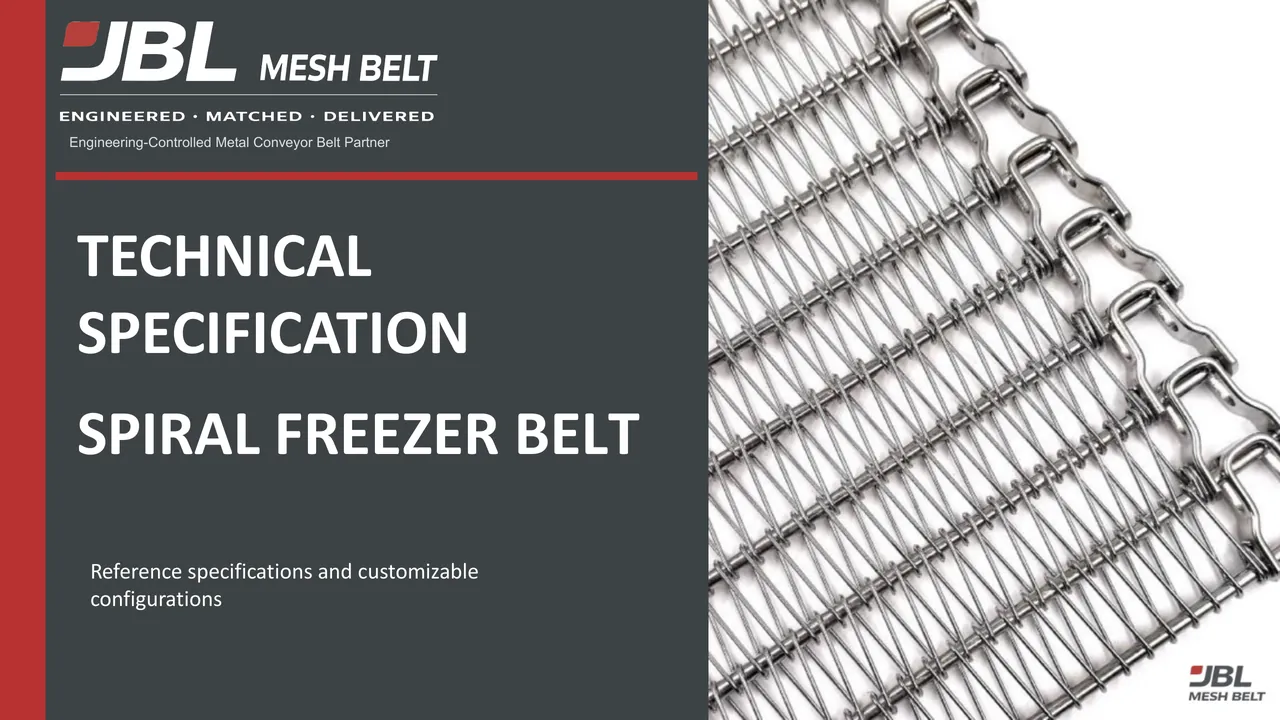
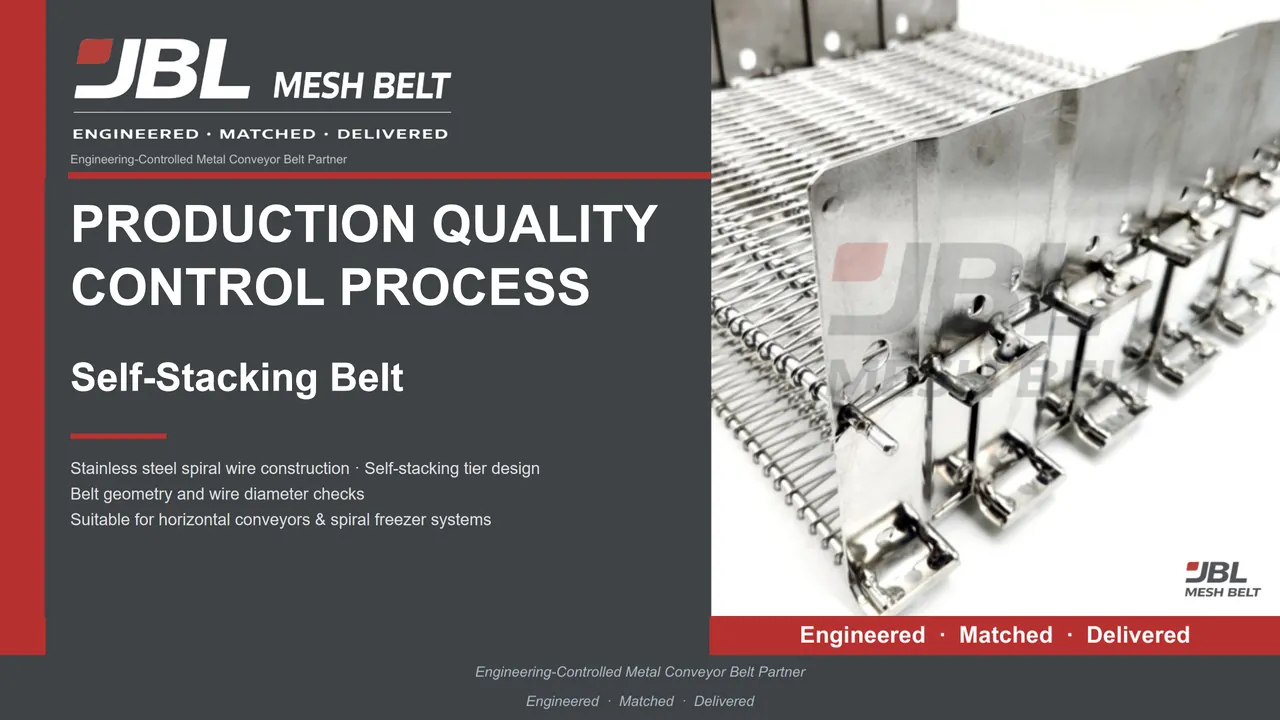
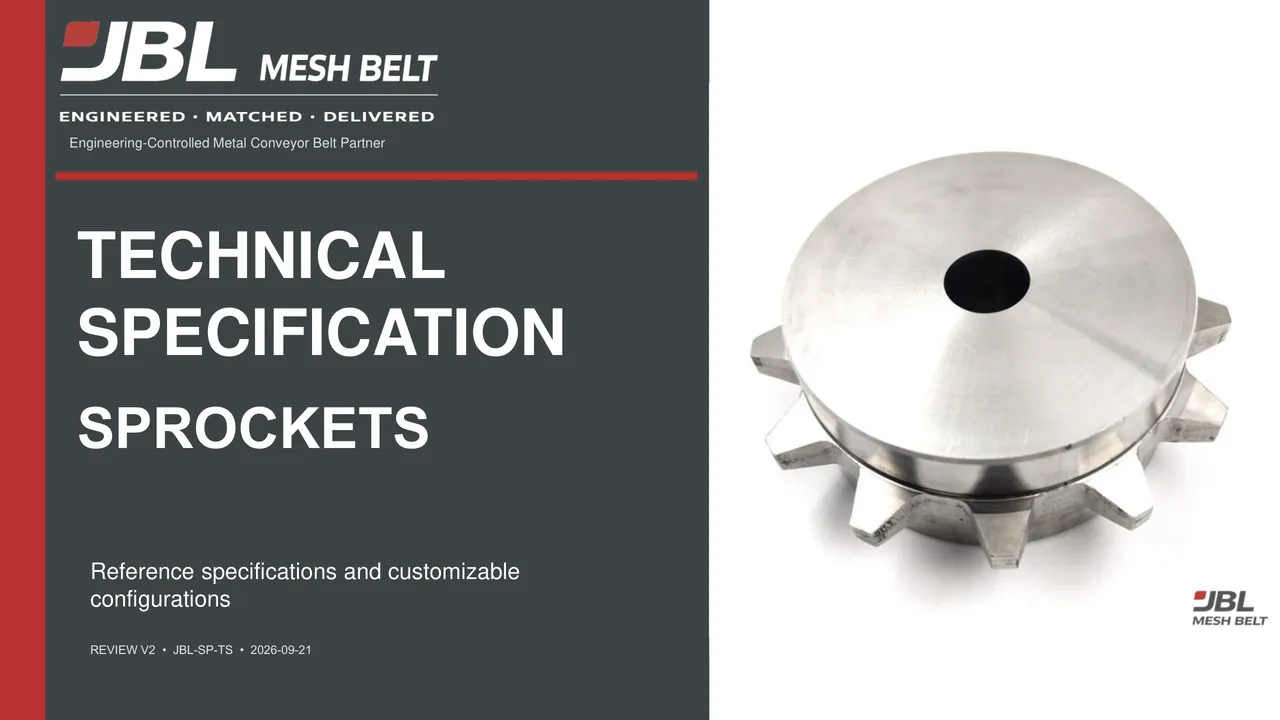
Flat Wire / Honeycomb Belt: specification and production & quality control process, page by page
Opens in a new tab · no download · no sign-up
Document Library
Compare pitch, wire, edge, surface and sprocket options with your equipment before you send a drawing or old-belt photos. 13 technical specifications and 11 production and quality control documents for JBL metal conveyor belts and sprockets, page by page on your phone or computer.
Engineering review
Not sure which specification fits your line?
Send your drawing or old-belt photos on WhatsApp. We compare them with the specification and tell you what still needs to be measured.