For an accurate IQF tunnel freezer belt quote, define seven things first: the product and how it sits on the belt, the belt type your tunnel runs today, width, length and route, opening and airflow, material, temperature and cleaning, drive, sprockets and pitch, and how the edge runs and tracks.
Two quotes for “a stainless belt for our IQF tunnel” can describe two very different belts. If the request is vague, the supplier guesses — and the guess shows up later as a belt that marks the product, wanders on the drive or does not fit the tunnel.
These are the seven things worth defining before you ask for a quote. Missing some of them? Send what you have; we will tell you what else is needed.
What product goes on the belt, and how does it sit?
product size, shape, weight and whether it is wet or glazed decide the mesh opening, the surface and the support the belt needs.
the product, its smallest size, and a photo of how it is loaded.
Which belt type does your tunnel run today?
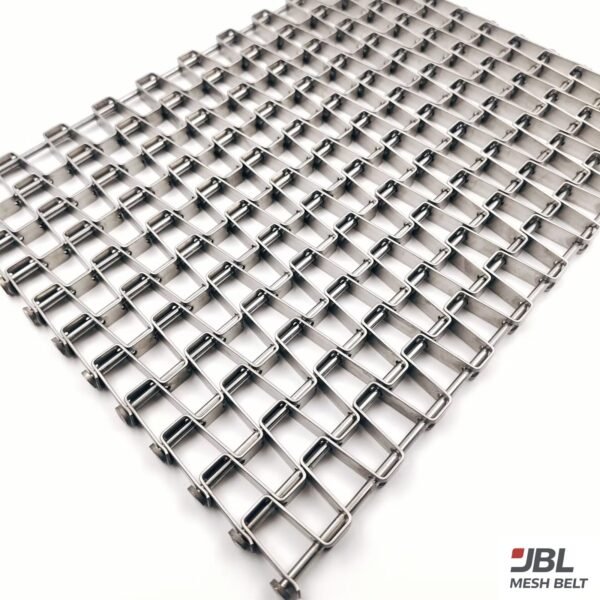
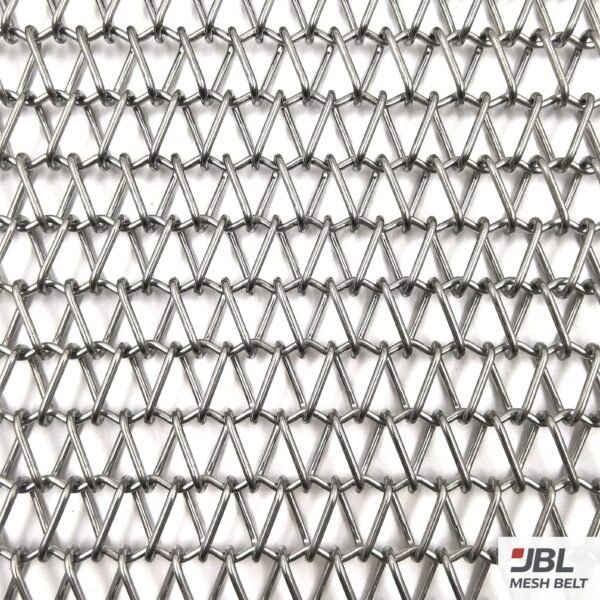
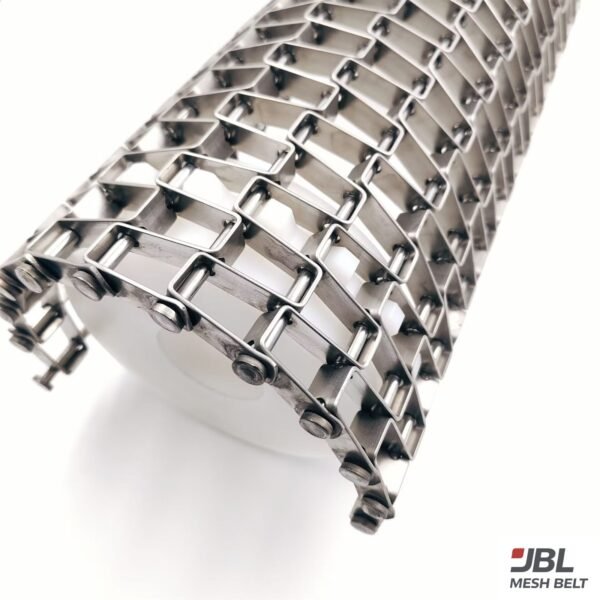
tunnel freezers commonly run on open metal belts such as Eye Link, Flat Wire / Honeycomb or Balanced Weave. Changing type usually means changing sprockets and supports.
a photo of the current belt surface and edge. For how the three types compare, see eye link, flat wire or balanced weave for IQF tunnels.
What width, length and route should you send?
overall width, length and how the belt is joined decide the build and the installation.
belt width and overall length, or the conveyor size, plus how the belt is joined today.
How much opening and airflow does the product need?
the opening has to hold the smallest product while letting cold air through.
the smallest product size and any marking or sticking problems you see now.
Which material, temperature and cleaning apply?
the wire material is chosen for the working temperature, the product and the cleaning chemicals. An application name is not a food-contact approval.
the lowest working temperature, the cleaning method and chemicals, and any end-user requirements.
 Rejected
Which drive, sprocket and pitch details are needed?
the belt pitch and the sprocket must match. A new belt on worn sprockets wears both.
photos of the drive side and the sprockets, the shaft size, and the tooth count if you know it.
How should the edge run and track?
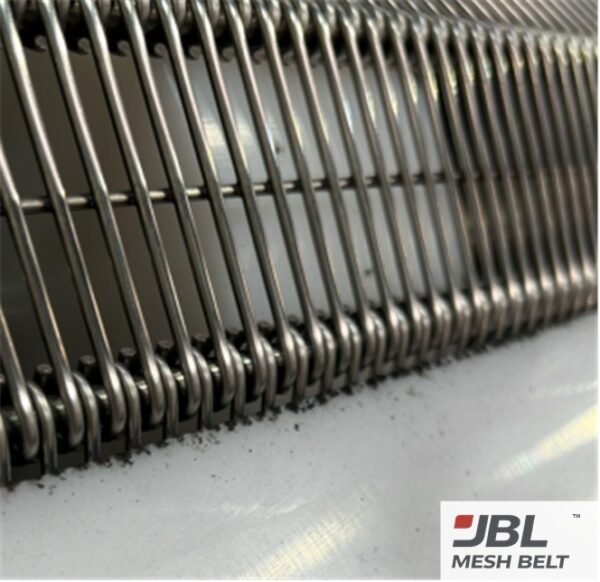
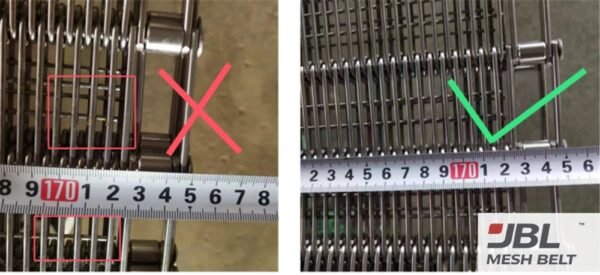
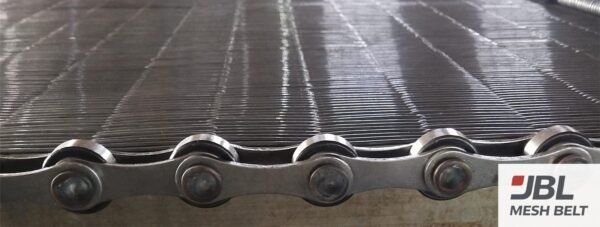
chain edges, welded edges or reinforced edges change how the belt is driven and how it tracks.
a close-up of the belt edge.
What happens after you send the details?
We review your details against the tunnel, confirm the drawing with you in writing before production, and inspect the belt against that drawing before shipment. Our belts are produced by qualified production partners to the drawing you approve; JBL Mesh Belt does the engineering review and the pre-shipment inspection.
IQF tunnel freezer belt quotes: FAQ
Which belt type is best for an IQF tunnel?
It depends on the product, the opening it needs and the drive your tunnel has. If your tunnel already runs well on one type, staying with it is usually the safest path.
Can you replace the belt in our existing tunnel without a drawing?
Often yes, starting from photos, the old belt dimensions and a sample if available. Critical dimensions are confirmed with you in writing before production.
Do I need new sprockets?
Not always. Send photos of the current sprockets. If the teeth are worn, replacing them with the belt avoids early wear on the new belt.
Is stainless steel always the right material?
The material depends on the temperature, the product and the cleaning chemicals, and is confirmed per project.
How do price and lead time work?
They depend on size, material and quantity and are confirmed in writing in each quotation.
Send your tunnel and product details
Send a photo of your current belt and its edge, the width and length, and your product.