JBL Mesh Belt JBL MESH BELT Request a Quote
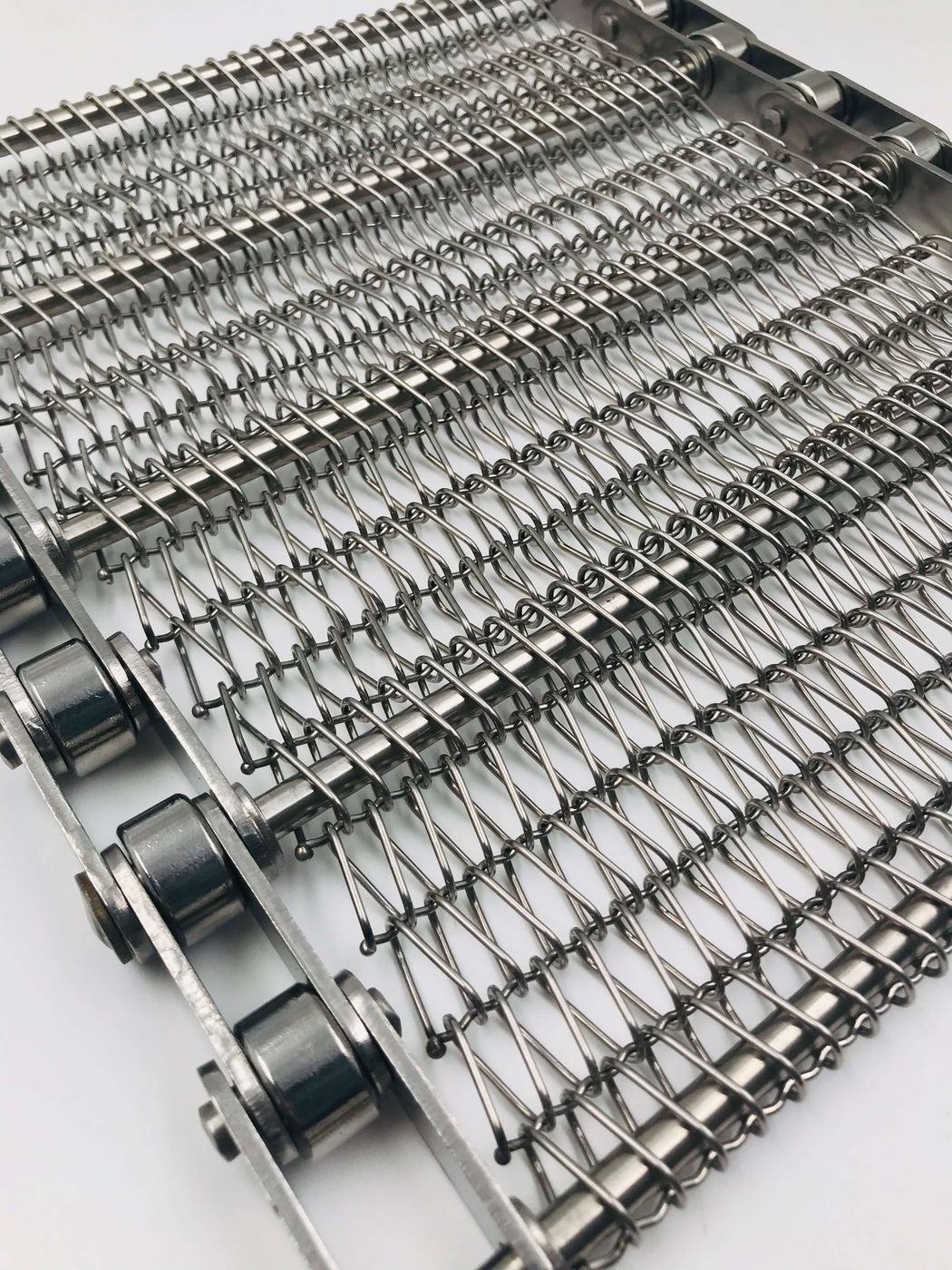
Chain driven metal conveyor belt surface

chain driven belt

Chain-Driven Belt for Positive Drive, Heavy Loads, and Sprocket-Matched Conveyor Lines

Built for projects where chain pitch, rod route, mesh support, sprocket tooth profile, and side alignment need engineering review before production.

Application

Heavy transfer, washing, drying, frying, cooling, tunnel, and positive-drive conveyor routes

Review Focus

Chain pitch / rod route / mesh surface / sprocket tooth profile / edge alignment

Project Route

New equipment supply, old belt replacement, or belt-and-sprocket review before production

buyer questions first

The Belt Is Reviewed as a Drive System, Not Only as Mesh.

For chain-driven conveyor belts, the customer is usually not only buying a replacement belt. They are trying to avoid pitch mismatch, sprocket wear, edge pressure, load sagging, and packing deformation.

Will the chain edge drive the belt without pitch mismatch?

Chain-driven belts need the chain pitch, rod position, sprocket tooth profile, and shaft route reviewed together. A new belt can fail early if the chain route is treated separately from the sprocket.
Can the belt width, rod pitch, and edge line be controlled?

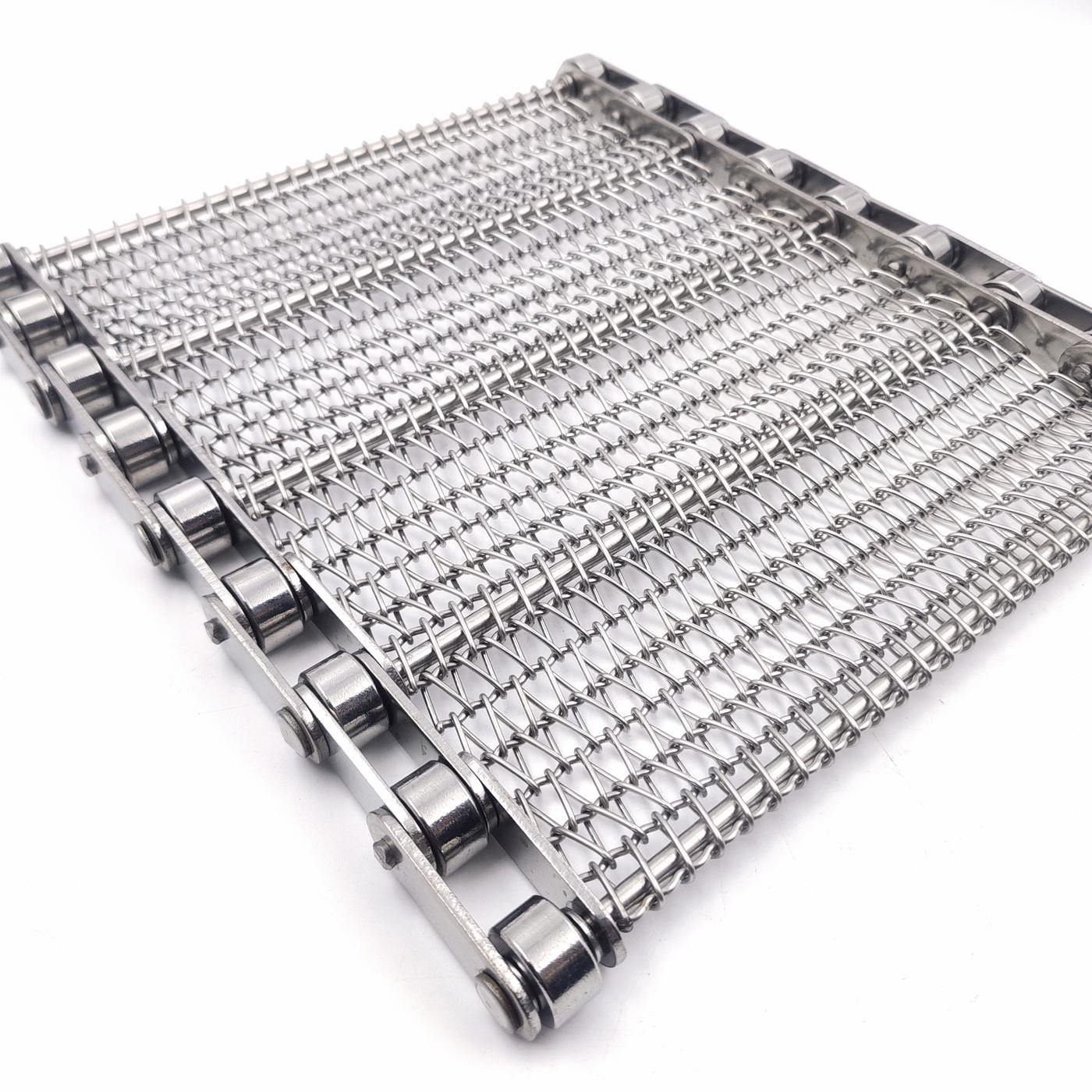
Overall width, rod diameter, rod pitch, mesh opening, chain center distance, and left-right edge alignment should be confirmed before production release.

Can sprockets or drive components be supplied with the belt?

For replacement projects, sprocket tooth count, bore, keyway, material, and wear condition can be reviewed so the belt and drive components are matched as one system.

Can JBL Mesh Belt replace an old chain-driven belt if drawings are incomplete?

The review can start from old belt photos, samples, pitch measurement, sprocket photos, product load, temperature, cleaning route, and running condition evidence.

product structure evidence

Product Photos Should Show Chain, Rod, Mesh, Sprocket, and Inspection Evidence.

A 3 x 3 structure keeps the product page clear: product type, edge route, drive matching, measurement, application, and release checks.

Chain Edge Carrying Surface

review evidence

Chain Edge Carrying Surface

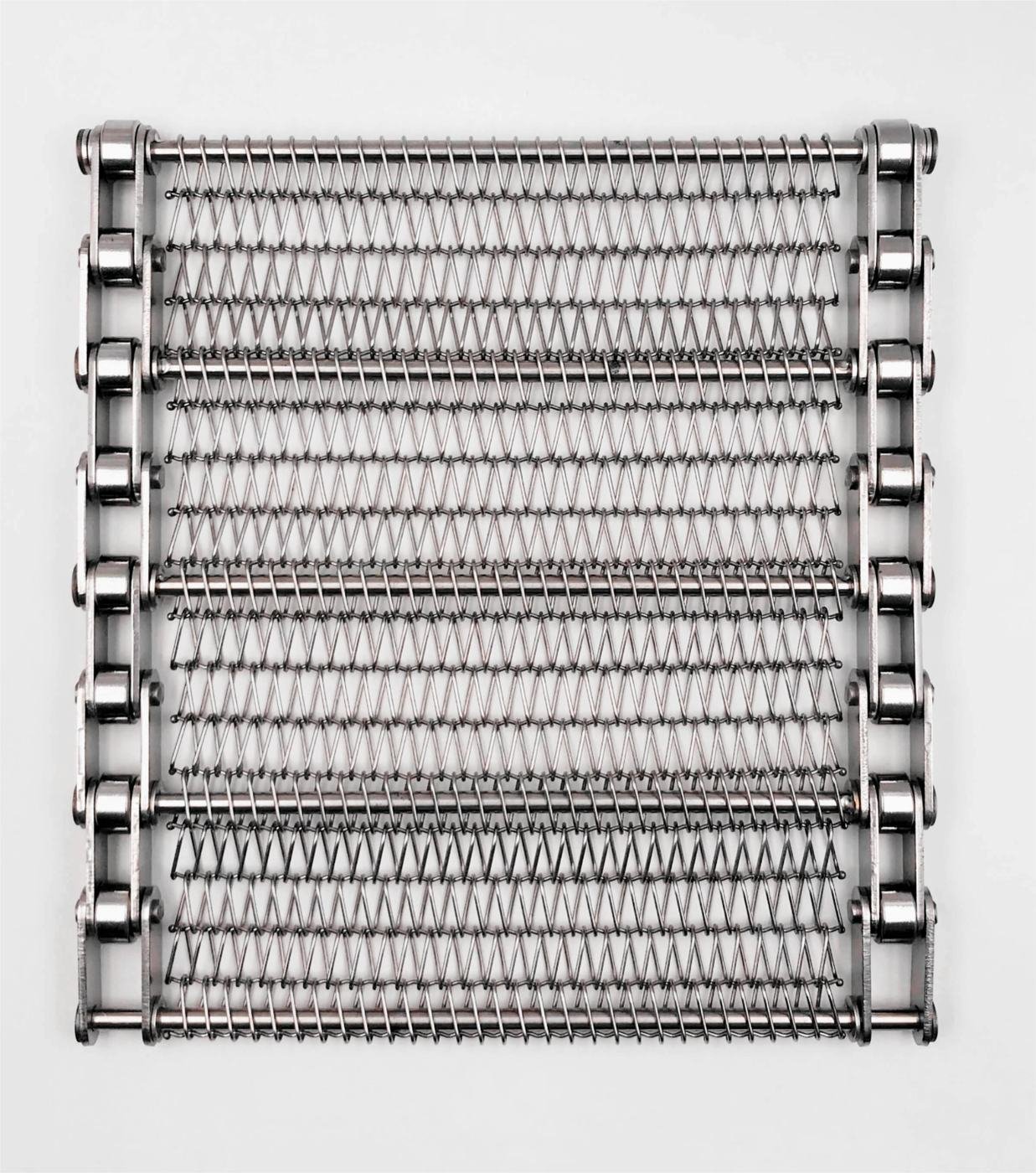
Positive chain edge route for heavier product support and controlled drive engagement.

Confirm: chain pitch / edge alignment / product load

Open Mesh Support Surface

review evidence

Open Mesh Support Surface

Open metal mesh surface for drainage, washing, cooling, drying, and process transfer lines.

Confirm: open area / rod route / cleaning route

Wide Chain-Driven Belt Review

review evidence

Wide Chain-Driven Belt Review

Wide belt sections should be checked for straightness, chain-center distance, and rod-to-edge consistency.

Confirm: total width / chain center / edge line

Chain Edge Perspective

review evidence

Chain Edge Perspective

The side chain, cross rod, and mesh connection are reviewed as the running path, not as separate parts.

Confirm: chain link / rod connection / side clearance

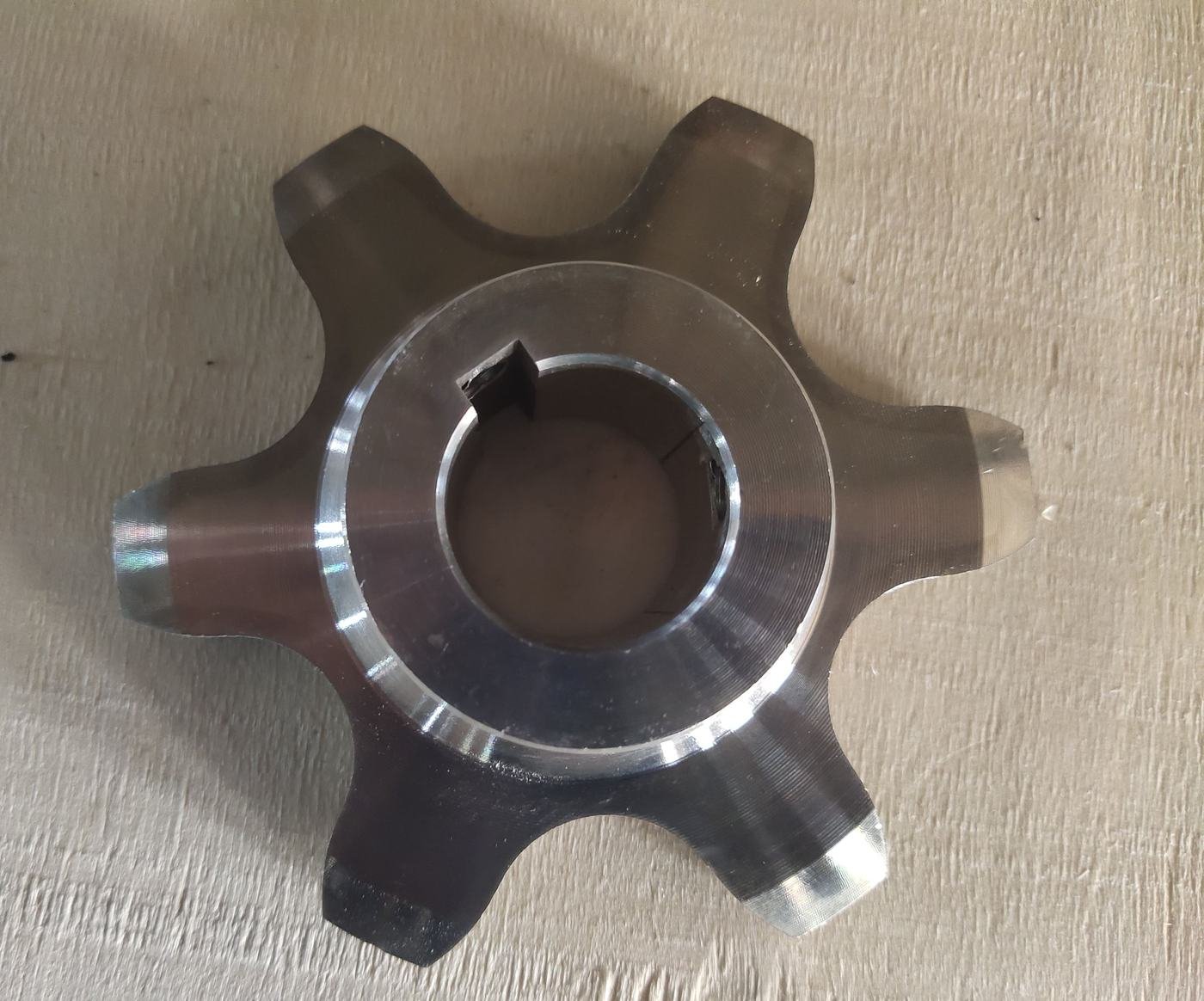
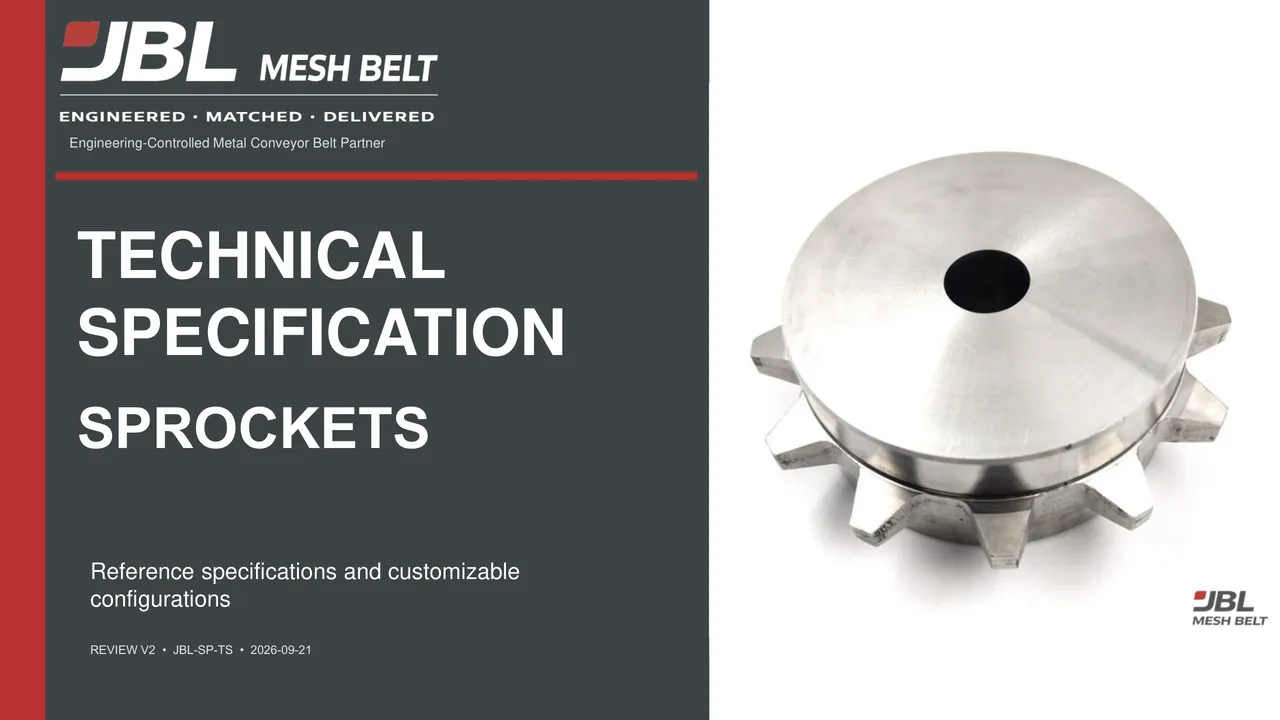
Sprocket Matching

review evidence

Sprocket Matching

Sprocket profile, tooth count, bore, keyway, and contact path should be checked with the belt pitch.

Confirm: tooth profile / bore / keyway

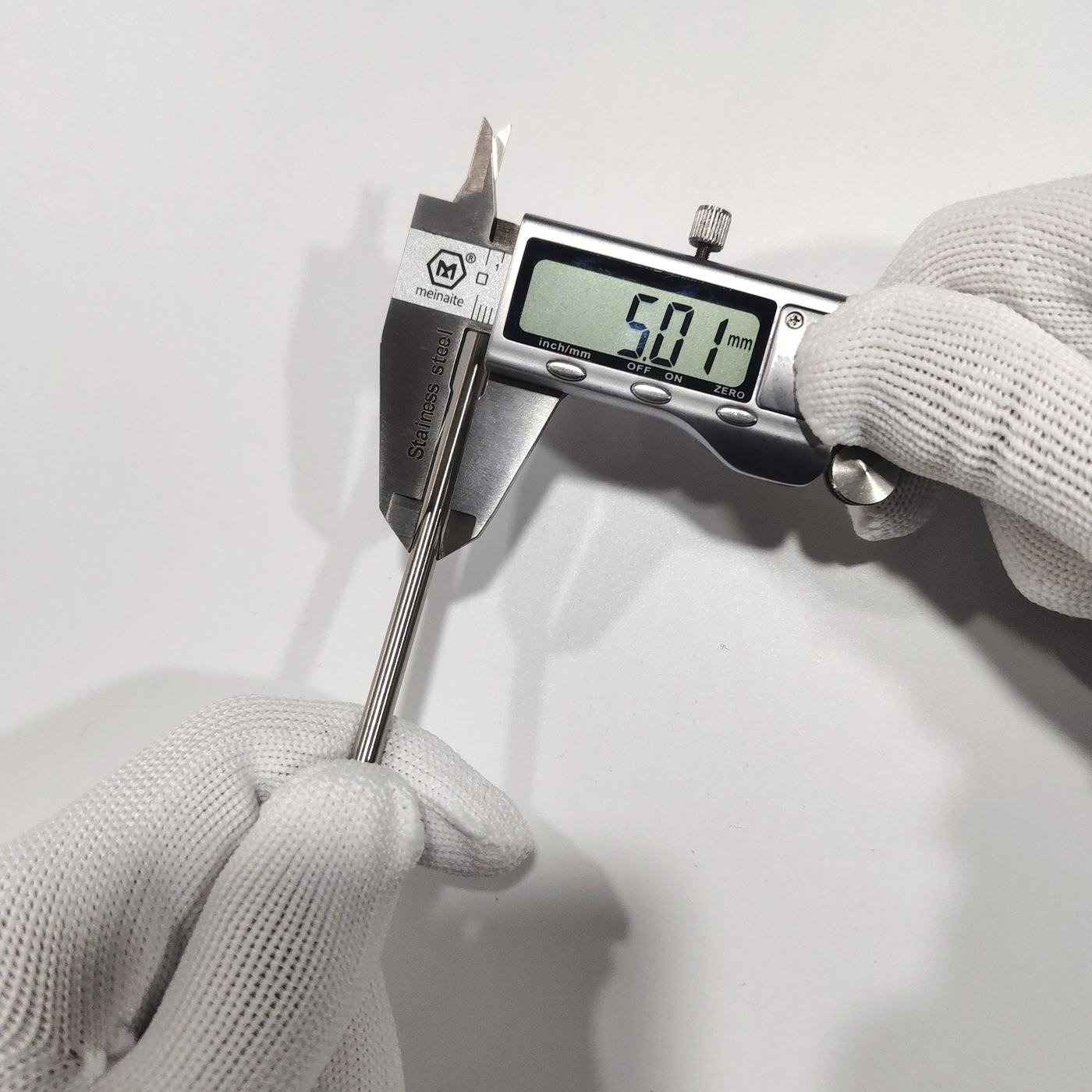
Rod Diameter Evidence

review evidence

Rod Diameter Evidence

Rod diameter evidence helps buyers confirm load route, chain connection, and replacement fit.

Confirm: rod diameter / load route / release record

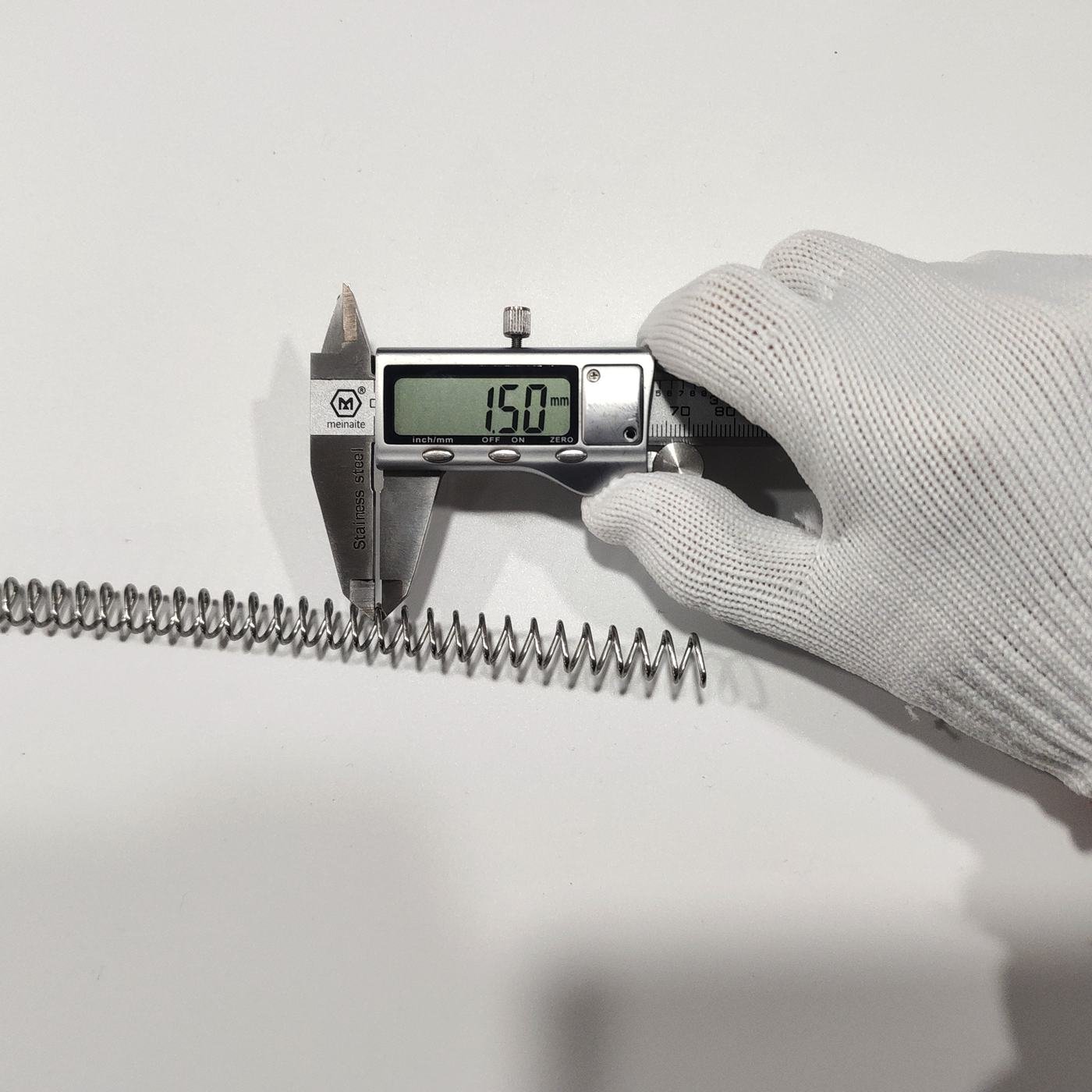
Wire Diameter Evidence

review evidence

Wire Diameter Evidence

Wire and mesh route are checked against product support, open area, and cleaning requirements.

Confirm: wire diameter / mesh opening / support surface

Chain Plate / Weld Detail

review evidence

Chain Plate / Weld Detail

Weld and edge details are reviewed where product contact, cleaning residue, or side contact may create risk.

Confirm: weld finish / burr review / chain plate fit

Application Reference

review evidence

Application Reference

Use application photos to confirm conveyor route, product load, transfer points, and cleaning environment.

Confirm: process route / product behavior / temperature

engineering specification

Specification Review Comes Before Price

Chain-driven belts are project-specific. These fields give buyers the correct information path before quotation, production, and release inspection.

Material
SS304 / SS201 / carbon steel routes; final grade confirmed by application and cleaning condition
Belt Width / Center Distance
300-4200 mm production references; +0/-2 mm total-width and +/-1 mm center-distance routes can be reviewed
Chain Pitch / Models
06B, 08B, 10A, #40, #60, C2042, C2052, C2060H, C2082HP, C212A routes; 9.525-76.2 mm pitch references
Rod Diameter / Spacing
3-12 mm rod diameter references; 9.525-190.5 mm rod spacing routes confirmed by load and chain connection
Wire / Spiral Pitch
0.8-3.0 mm wire routes; 2.2-22 mm spiral pitch and 4.2-27.21 mm mesh pitch references
Roller / Chain Plate
6.35-44.45 mm roller diameter; 8.2-35.7 mm plate height and 1.3-4.7 mm plate thickness references
Drive Method
Positive chain drive, side chain drive, or equipment-specific sprocket interface
Release Checks
Smooth uniform welds; no overlap weld, missing weld, false weld, sharp protrusion, twisted strip, or unclean weld area
Packing Route
Bubble wrap plus waterproof film, 15 mm export plywood case, corner protection, spare rods/pins, weight and volume records
Replacement Inputs
Old belt photos, chain pitch, sprocket photos, shaft data, load, temperature, and running route

Missing some data? Send the drawing, photos, and dimensions you have; JBL Mesh Belt will identify the remaining Chain-Driven Belt review points.

Start Chain-Driven Inquiry

verified replacement case

Anonymous UK Fried-Potato Line Replacement

A completed chain-driven belt replacement route built from customer-supplied photos and a sample, then controlled through drawing approval, trial production, bulk inspection, and packing release.

Process
Fried-potato production line
Material
SUS304
Project size
2,200 mm W × 42 m L
Release basis
Approved drawing + trial review + bulk inspection

01 / Intake

Photos and Sample Review

The buyer supplied belt photos and a physical reference so the replacement route could start without relying on an incomplete legacy description.

02 / Drawing

Replacement Geometry Redrawn

JBL Mesh Belt converted the reference into a controlled drawing for a SUS304 belt, 2,200 mm wide and 42 m long, including the custom chain and critical center-distance points.

03 / Trial

Engineering-Controlled Trial Production

A trial section was produced first. Chain position, cross-rod route, repeating pitch, center distance, edge alignment, and connection details were checked against the drawing.

04 / Approval

Buyer Review Before Bulk Production

Trial-production photos and video were prepared for buyer confirmation. This approval concerned the manufactured belt geometry; it was not an installed-line performance claim.

05 / Bulk QA

Full Inspection to the Approved Drawing

Bulk production followed the approved revision. The release route checked overall width, center distance, chain and rod consistency, edge condition, weld finish, and visible defects.

06 / Release

Protected Packing and Shipment Release

The inspected belt was protected for transport and released with the drawing-controlled project record retained for future replacement review.

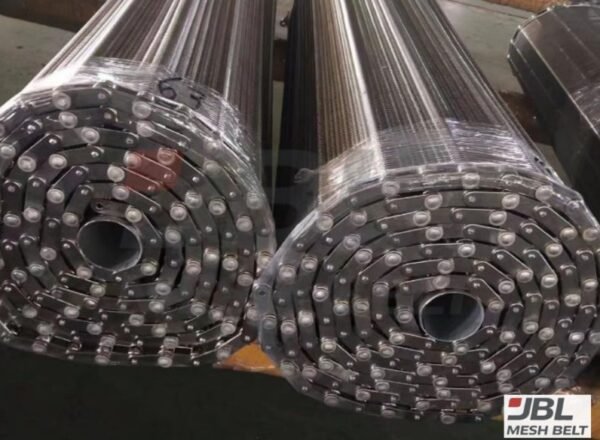
Belt and Chain Geometry

inspection reference

Belt and Chain Geometry

An anonymized product-structure view used to show the chain edges, cross rods, carrying surface, and width-control route.

Rod Diameter Check

inspection reference

Rod Diameter Check

A dimensional inspection reference showing how a drawing-controlled rod value is checked before release.

Wire Diameter Check

inspection reference

Wire Diameter Check

A dimensional inspection reference for the carrying-surface wire. The displayed reading is illustrative and is not presented as the UK project's final value.

Evidence boundary: the published case confirms the documented replacement workflow and approved project dimensions. The displayed still images show product structure and dimensional inspection methods; they are not running-test videos and do not prove installed-line load, speed, tracking, or service life. Buyer approval media remains within the project record.

matched sprockets / drive components

Belt and Sprocket Review Should Happen Together.

A chain-driven belt can be affected by worn sprockets, wrong tooth profile, wrong bore, wrong keyway, or pitch mismatch. JBL Mesh Belt can review belt pitch, drive engagement, sprocket material, and support components as one route.

Chain pitch and tooth profile are checked together.

Old sprocket wear can shorten new belt service life.

Stainless steel, nylon, plastic, and project-specific sprockets can be reviewed.

Bars, spare rods, chains, and accessories can be packed with the belt.

Chain-Driven Belt sprocket matching

drive matching

Sprocket Profile Review

Use sprocket photos and measurements to check pitch engagement, tooth profile, bore, keyway, and contact path.

Rod Diameter Check

inspection

Rod Diameter Check

Rod diameter and chain connection are reviewed together.

Wire Diameter Check

inspection

Wire Diameter Check

Wire diameter is checked as part of mesh stiffness and product support.

risk review / replacement logic

Drive Risk Should Be Converted Into Checkpoints.

Chain-driven replacement projects should make risk visible before production: pitch, sprocket wear, edge route, rod strength, weld finish, and packing protection.

01 checkpoint

Pitch Mismatch

Chain pitch and sprocket tooth profile do not match, creating drive shock or early wear.

02 checkpoint

Worn Sprocket

Old sprocket wear can shorten new belt service life if it is not reviewed before replacement.

03 checkpoint

Edge Misalignment

Left-right edge route, chain-center distance, or side clearance can create tracking pressure.

04 checkpoint

Rod / Mesh Deformation

Heavy loads, transfer impact, or poor support can distort rod and mesh geometry.

05 checkpoint

Weld / Burr Risk

Rod end, chain plate, and weld areas need release checks when product contact or cleaning matters.

06 checkpoint

Packing Damage

Long-distance shipment needs protected, neutral packing so wide belt sections do not deform in transit.

replacement inputs

What Buyers Should Send Before Quotation

The fastest route is not a long message. A few clear photos and key dimensions can start the engineering review.

Old belt photos or physical sample
Chain pitch, chain model if available, and overall belt width
Rod diameter, rod pitch, wire diameter, and mesh opening
Sprocket photos, tooth count, bore, keyway, and visible wear condition
Required tolerance route: total width +0/-2 mm, chain center distance, or other drawing-controlled points
Product load, temperature, washing or drying route, and conveyor speed
Required material grade, surface treatment, packing route, spare rods, pins, washers, and accessory list

download / review pack

Documents for Drive Review, Replacement, and Release Control

Use these document types to prepare your project review. Each one is tied to a buyer task: confirming chain pitch, checking sprocket wear, measuring an old belt, or preparing release evidence.

Request Project-Specific Documents

Ask for the current specifications and inspection documents relevant to your project. Confirm the applicable document revision with JBL Mesh Belt before using it for production.

related resources

Useful Reading Before You Confirm Chain Pitch or Replacement Scope

Buyers reviewing chain-driven belts usually also need help on replacement intake, old-belt photo quality, and pitch or sprocket mismatch before they send final specs.

Resource article

Chain-Driven Replacement Checklist

Open article

Resource article

Old Belt Photo and Measurement Guide

Open article

Resource article

Chain Pitch and Sprocket Mismatch Guide

Open article

SOP / Project control

Chain-driven belt Orders Are Released Through a Controlled Review Route

Chain-driven belt orders require chain pitch, sprocket route, rod end, weld point, product load, cleaning condition, and accessory packing to be checked together.

Buyer trigger

You do not need a complete specification to start. Send the available drawing, old belt photo, sprocket photo, system photo, or running video first. The JBL Mesh Belt team will reply with the missing review points.

Chain-driven SOP

These SOP points are converted from JBL Mesh Belt order-control, QC, packing, and delivery documents into buyer-facing checkpoints.

Step 01

Chain pitch and sprocket route confirmation

Chain pitch, sprocket tooth count, tooth profile, bore, keyway, shaft notes, conveyor width, and old sprocket wear are reviewed before quotation.

Step 02

Rod, wire, strip, and edge structure review

Rod diameter, wire diameter, strip route, edge construction, weld position, and product-contact areas are matched to load and process conditions.

Step 03

No false weld, sharp point, or burr release

Overlap weld, missing weld, false weld, sharp protrusion, twisted strip, and unclean weld areas are converted into pre-shipment inspection points.

Step 04

Accessory and packing record

Spare rods, pins, sprockets, bars, bubble wrap, waterproof film, export plywood case, weight, and volume can be recorded before shipment.

Chain-driven bad-quality documents are best used as anonymous corrective-review examples: they should help buyers send chain, sprocket, and weld-area photos earlier.

What We Check Before Shipment

Before a chain-driven belt is packed, it is measured against your drawing and every weld is inspected.

JBL Mesh Belt chain-driven belt rod diameter measured with a caliper

Rod diameter check

JBL Mesh Belt chain-driven belt chain pitch measured with a caliper

Chain pitch check

JBL Mesh Belt chain-driven belt chain welds checked before shipment

Weld check before shipment

JBL Mesh Belt chain-driven belt rolled and wrapped for shipment

Roll-packed for shipment

Pitch and width

Pitch is measured across several pitches and averaged. Overall width is measured at several positions against the tolerance on your drawing.

Welds

Every weld is inspected before shipment: no bridged, missed or cold welds.

Edges and chain

Belt edges are checked for burn marks and deformation. The chain is checked along its full length.

Accessories

Connecting links and other accessories are counted against the order and photographed.

chain driven belt inquiry

Send Chain, Sprocket, and Conveyor Details Before Quotation.

Old belt photos, chain pitch, rod diameter, wire diameter, sprocket photos, tooth count, bore, keyway, and load conditions are enough to start the review.

chain driven belt faq

Six Buyer Questions Before Sending Details

FAQ 01

How do I know whether a Chain-Driven Belt is the right route for my line?

+

Send the product load, process, conveyor path, transfer points and reason positive drive is required. JBL Mesh Belt reviews the carrying surface, chain edge and load route; the final selection follows the project review and confirmed drawing.

FAQ 02

Which Chain-Driven Belt parameters do I need to confirm?

+

Share any known belt width, chain model and pitch, chain-center distance, rod diameter and spacing, wire or mesh data, material, load and temperature. JBL Mesh Belt checks the dimensional route as a system, and final values follow the confirmed drawing or sample review.

FAQ 03

How do I confirm the chain and sprockets will drive together?

+

Provide sprocket photos, tooth count, profile, bore, keyway, shaft position, chain pitch and visible wear. JBL Mesh Belt reviews chain pitch, rod position and sprocket contact together before confirming the drive interface.

FAQ 04

Can my existing chain-driven belt be replaced without the original drawing?

+

Send full-belt, chain-edge, rod-connection, damaged-area and installed-line photos, measured dimensions and a sample when available. JBL Mesh Belt compares the old belt and drive components, then records the agreed replacement route in the confirmed project drawing.

FAQ 05

What should I check for installation and cleaning?

+

Share shaft and guide alignment, chain-center position, support and transfer clearances, joining method, washdown and drying conditions. JBL Mesh Belt reviews tracking, side contact and cleanability; installation and cleaning details follow the confirmed project configuration.

FAQ 06

What information should I send for a Chain-Driven Belt quotation?

+

Send the application, load and speed, available belt and chain dimensions, sprocket and shaft data, material and cleaning conditions, quantity, delivery target and required records. JBL Mesh Belt identifies missing points and quotes against the confirmed project scope.

All listed dimensions and configuration options can be customized for the project, subject to engineering review and the confirmed drawing.

Reference specifications

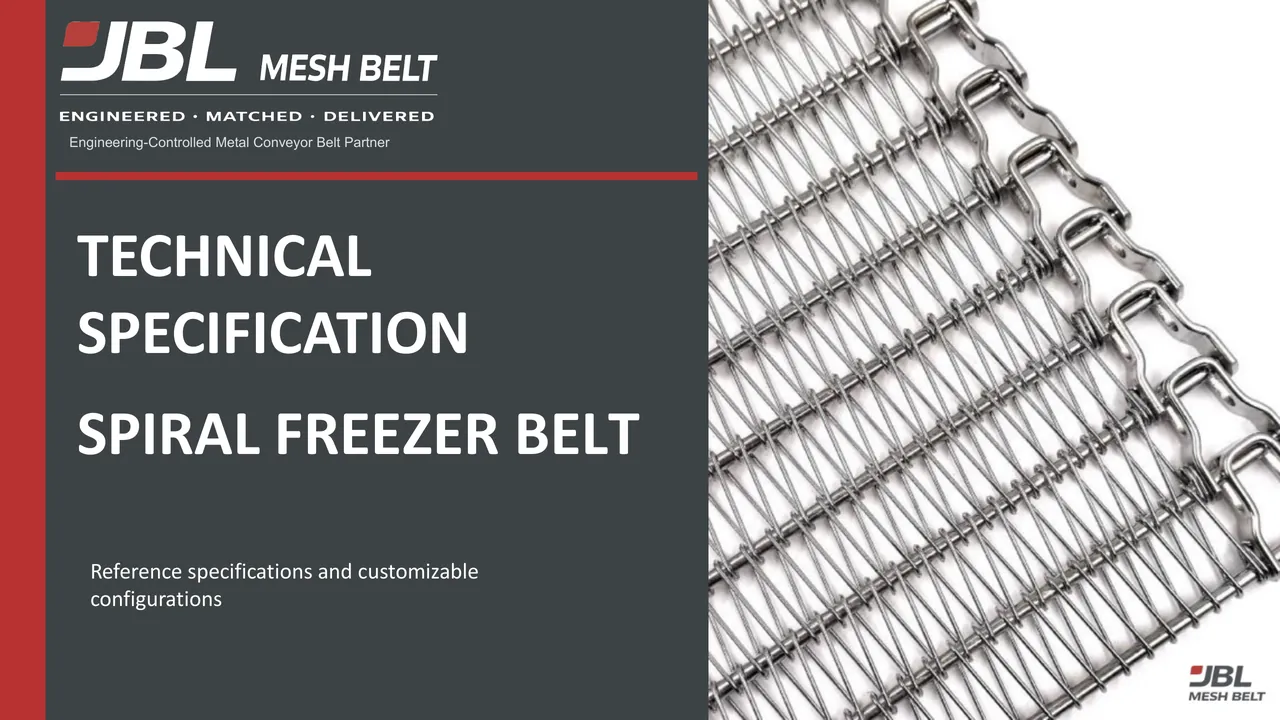
Chain-Driven Belt reference specifications

Chain-Driven Belt reference specifications
ParameterReference options
MaterialSUS304 / SUS316 / carbon steel
Spiral pitch3–20 mm
Crimped wire pitch4–20 mm
Spiral / crimped wire diameter1.0 / 1.2 / 1.4 / 1.6 / 1.8 / 2.0 / 2.5 / 3 mm
Cross rod diameter4 / 5 / 6 / 8 / 9 / 10 / 12 mm
Cross rod pitchProject-specific multiples of the chain pitch
Chain pitch12.7 / 15.875 / 25.4 / 31.75 / 38.1 / 50.8 / 63.5 mm
Chain model#40 / #50 / C2042 / C2052 / C2062 / C2082 / C2102 solid roller chain; hollow chain (custom)
Belt width300–5000 mm (11.81–196.85 in); custom
Belt lengthCustom, specified in m or ft
Rod-end connectionWelded washers / cotter pins
AccessoriesSide guide / tube / side roller / square bar / flights / side plate (optional)

Reference options from the 2026-10-02 public specification, pages 2 and 5. Plate height and width measurement points are confirmed per drawing. Final dimensions and combinations follow the confirmed project drawing. Source: Chain-Driven Belt Technical Specification, page 5 ↗

Read the documents for this belt

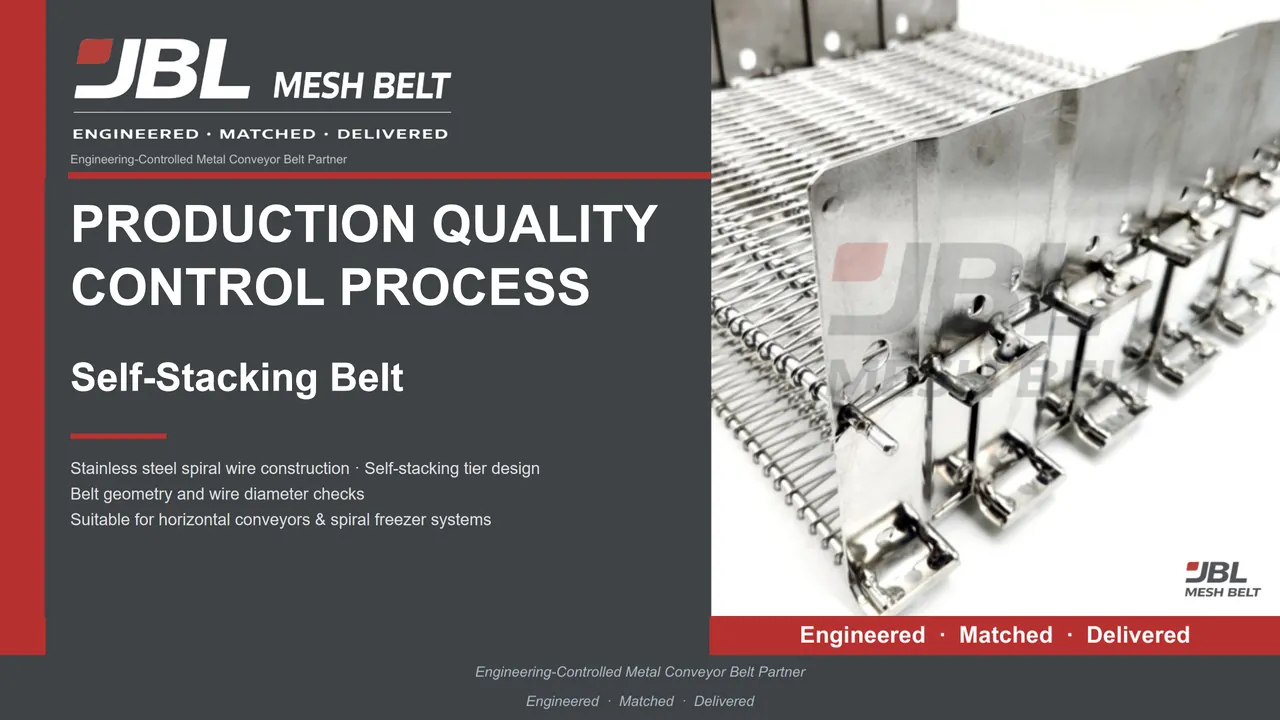
Chain-Driven Belt: specification and production & quality control process, page by page

Opens in a new tab · no download · no sign-up

Document Library

Check the specification before you order or replace a belt

Compare pitch, wire, edge, surface and sprocket options with your equipment before you send a drawing or old-belt photos. 13 technical specifications and 11 production and quality control documents for JBL metal conveyor belts and sprockets, page by page on your phone or computer.

Engineering review

Not sure which specification fits your line?

Send your drawing or old-belt photos on WhatsApp. We compare them with the specification and tell you what still needs to be measured.