
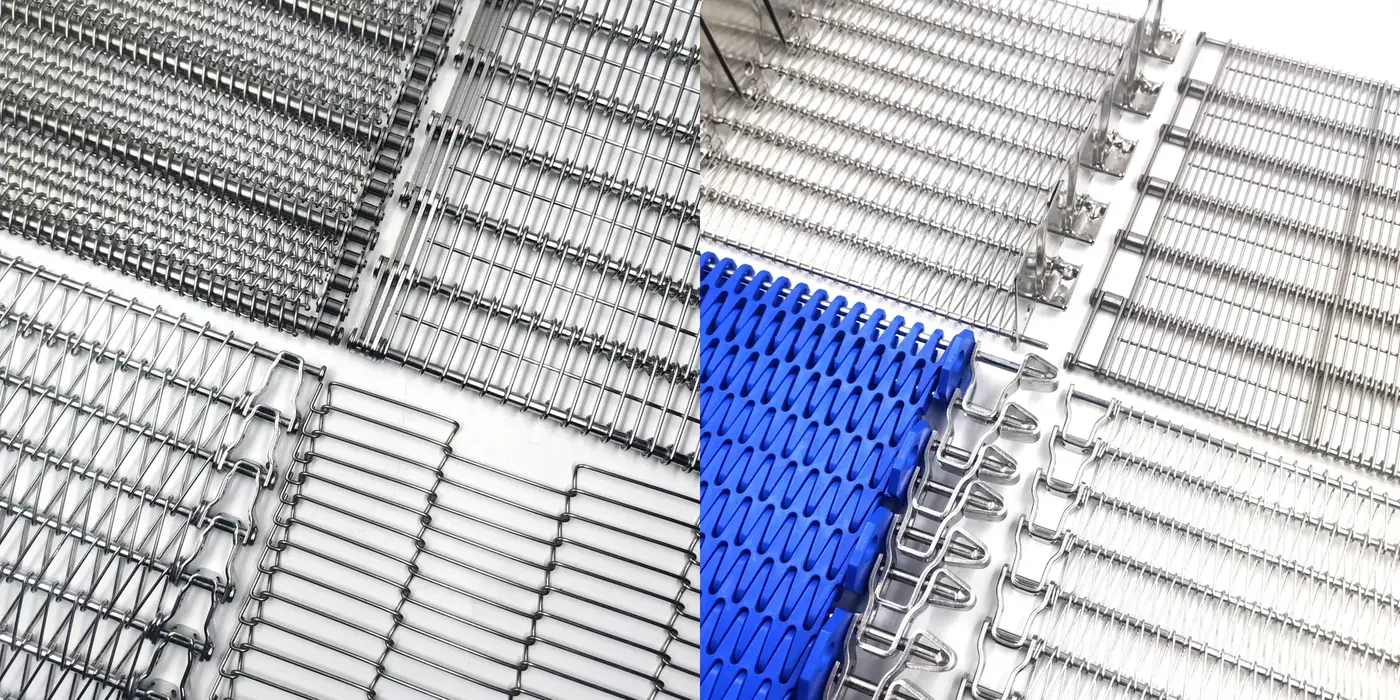
Drawing-context review
The drawing can be reviewed together with application data, revision status, and replacement notes.
A drawing records design intent, but buyers also need the application, drive interface, measured references, and revision status connected to the same decision. JBL Mesh Belt uses the available evidence to identify what is confirmed and what still requires review before quotation, sample approval, or production release.
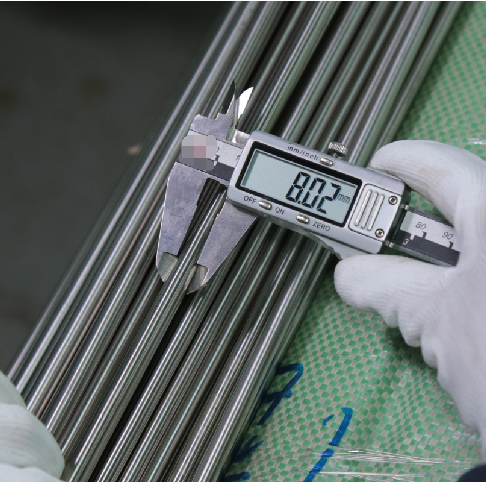
When drawings are incomplete, measurement photos and equipment-path references can document selected dimensions and visible interfaces. They do not replace a confirmed revision or full tolerance review.

The drawing can be reviewed together with application data, revision status, and replacement notes.

The photographed caliper reading records one incoming-wire checkpoint; it does not establish alloy grade or a full-lot tolerance.
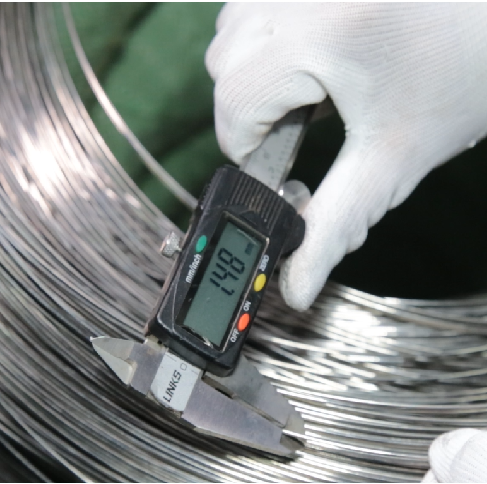
A second measured wire reference shows why the reading, photographed point, and applicable drawing item must stay linked.
Evidence scope: Photos and records establish only the visible product, measurement, inspection, test, or packing step shown. They do not by themselves confirm installed performance or interchangeability. Final release follows the confirmed drawing, operating data, drive interface, and agreed validation scope.
A drawing, measurement photo, sample, static layout, bench test, and installed-system record answer different questions. The production reference should state which evidence was reviewed and which points remain conditional.
Drawings and submitted samples are reviewed before production begins. Differences are confirmed with the buyer instead of being assumed.
Production release follows the confirmed drawing or sample reference, agreed specification sign-off, and applicable order terms.
If any detail changes after confirmation, the project is re-confirmed in writing before production resumes, including lead-time or cost impact.
Material-route records and available alloy-analyzer evidence can support chemistry and grade review when included in the agreed project scope.
Ask JBL Mesh Belt which inspection photos, sample comparisons, material records, running clips, or packing records are available for your project.
Reserve photos or marked drawings showing the confirmed structure, pitch, edge detail, and accepted reference.
Reserve documented comparison photos between the produced sample and the buyer's sample when required and agreed for replacement matching.
Reserve available alloy-analyzer evidence, material-route records, or traceability documents for chemistry and grade review.
The useful starting point is the buyer's next decision. Once that is clear, JBL Mesh Belt can request only the drawings, measurements, samples, or system evidence needed for that step.
Do you need a preliminary quotation, an engineering review, a replacement comparison, a trial sample, or approval to release production?
Which revision is current, who approved it, and have the machine, product, speed, cleaning method, or drive components changed?
Identify the belt-to-sprocket, belt-to-drum, edge-to-guide, transfer-point, return-path, and available-clearance interfaces that can affect the decision.
Decide whether the next evidence should be a marked drawing, measurement photo, sample, static geometry check, bench test, or installed-system record.
Label the evidence stage before using it for a decision. A photographed dimension or static layout should not be described as a running or installed-performance result.
Establishes: Records the submitted design intent, dimensions, notes, and revision status.
Does not establish: It does not establish that the produced belt or installed machine matches the drawing.
Establishes: Shows the visible measuring tool, reading, location, and photographed part at that checkpoint.
Does not establish: It does not establish the full belt tolerance, material grade, or operating performance.
Establishes: Shows visible structure, edge, joint, weld, link, rod, wire, or surface details.
Does not establish: It does not by itself confirm interchangeability or fit on the buyer's equipment.
Establishes: Can document movement or fit within the stated test setup or actual line conditions.
Does not establish: Static layout, bench running, and installed operation are different evidence levels and must be identified separately.
Send the latest drawing you have and state the decision it should support. Add available measurement photos, operating notes, drive references, and earlier approved records. Missing items can then be requested against a specific decision.
WhatsApp us