JBL Mesh Belt JBL MESH BELT Request a Quote

Metal Conveyor Belts for OEM, Replacement and Repeat-Supply Projects

Explore 12 metal conveyor belt families and matched sprockets for spiral freezing and cooling, IQF tunnel freezing, baking, proofing, frying, drying, washing and packaging equipment. Start with the belt type, equipment application or an existing-belt photo. Final configuration follows technical review of confirmed project data.

For OEM equipment builders, food processors, replacement teams, distributors and repeat-supply projects.

Metal conveyor belt structure for project review

Start with the belt, equipment or project information you already have.

TM

Explore 12 Belt Families and Matched Sprockets

The range includes spiral and turn-curve applications, straight-running industrial conveyor belts, special belt structures and matched drive components. Begin with the closest structure; final selection follows review of the equipment, process and drive interface.

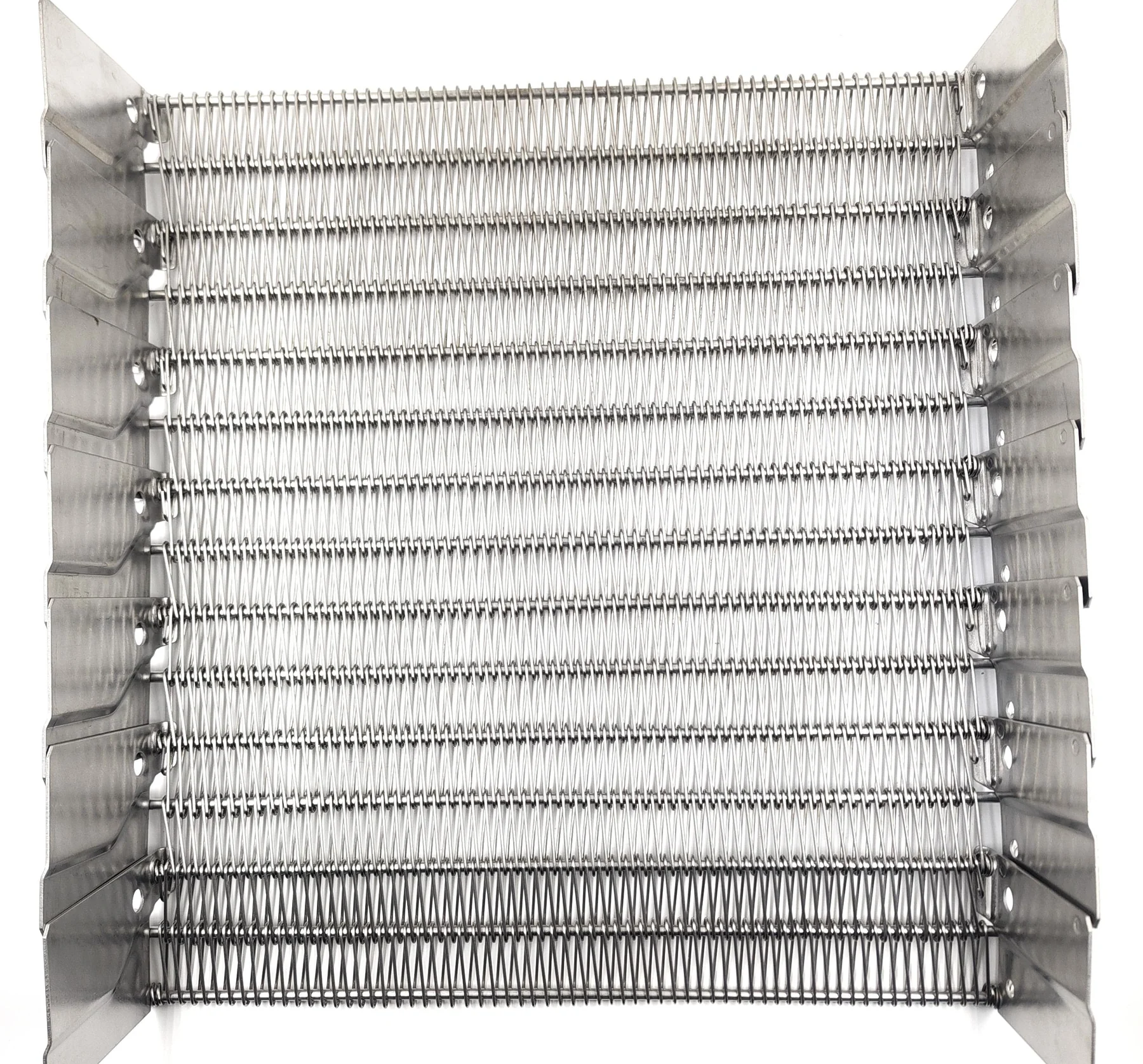
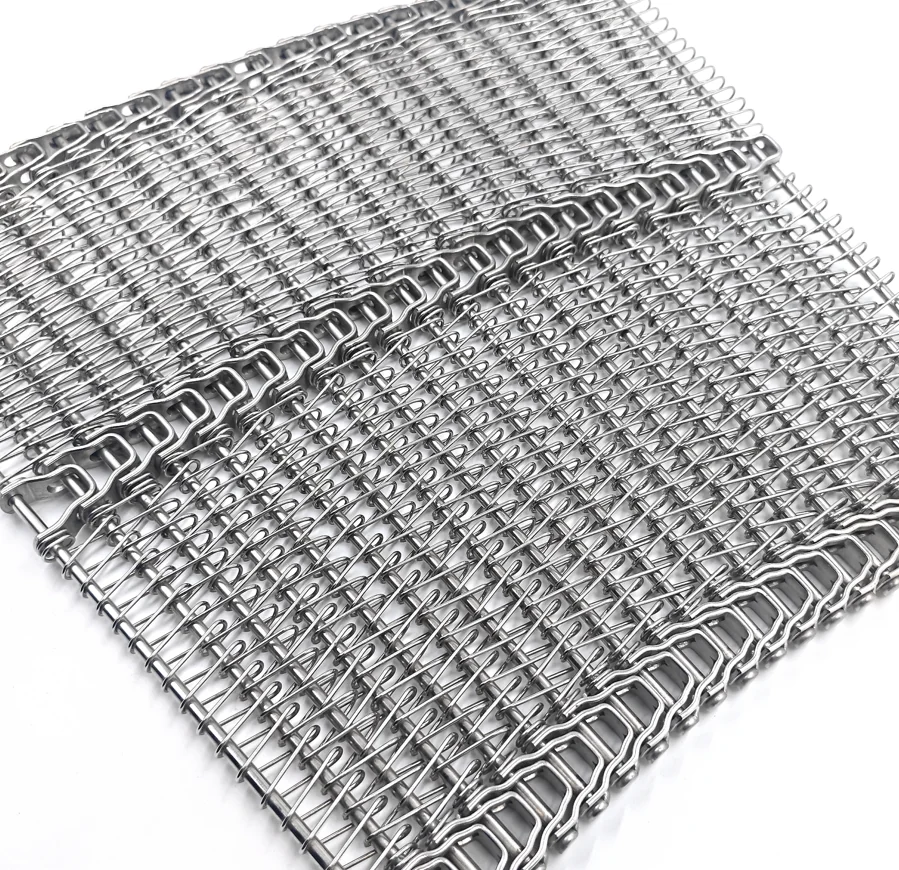
Spiral Freezer BeltTM

Spiral Freezer Belt

Reviewed for spiral freezing and cooling systems where belt path, inside-turn conditions, support arrangement and drive interface must work together.

Review drum or cage information, belt width, running direction and existing-system details.
View Product →
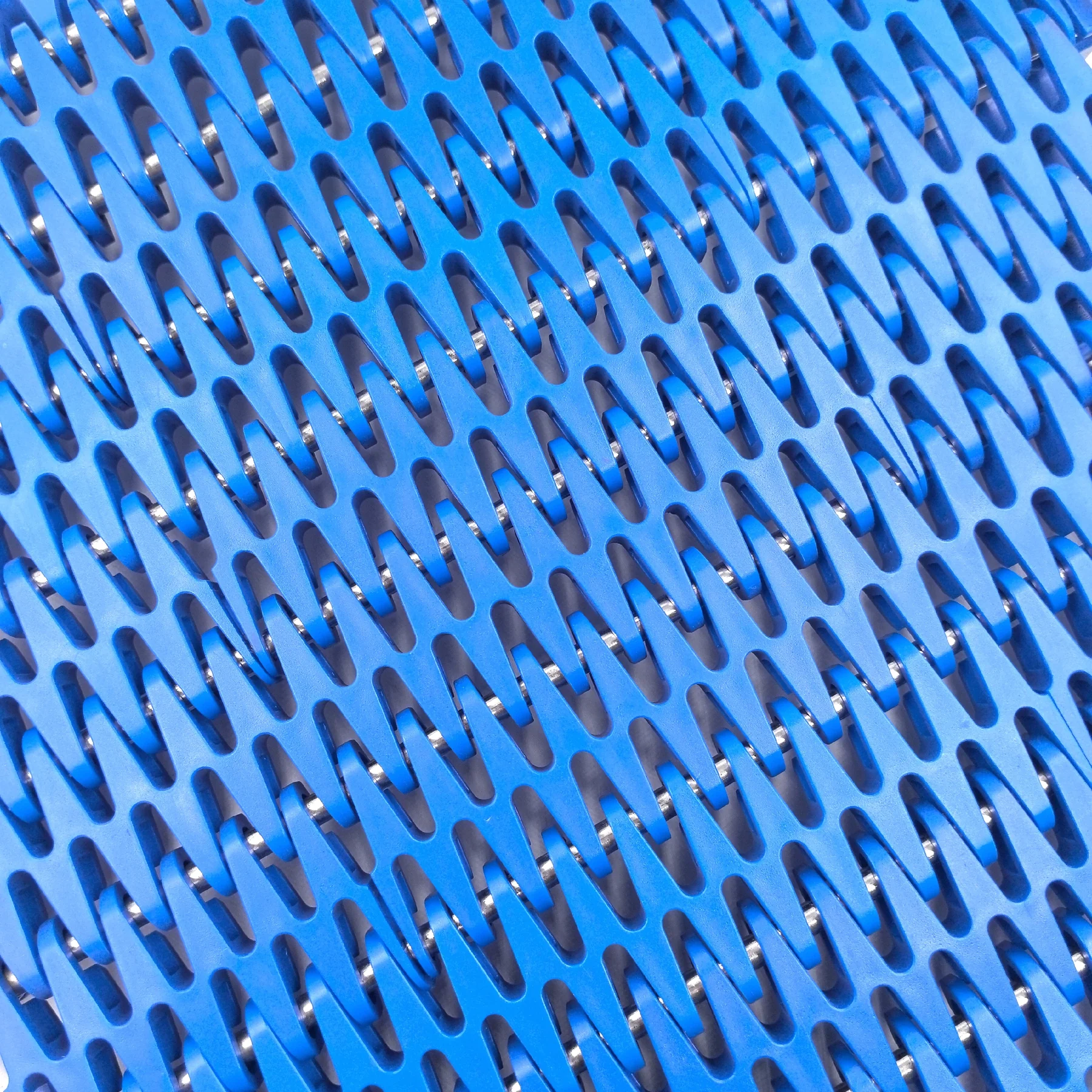
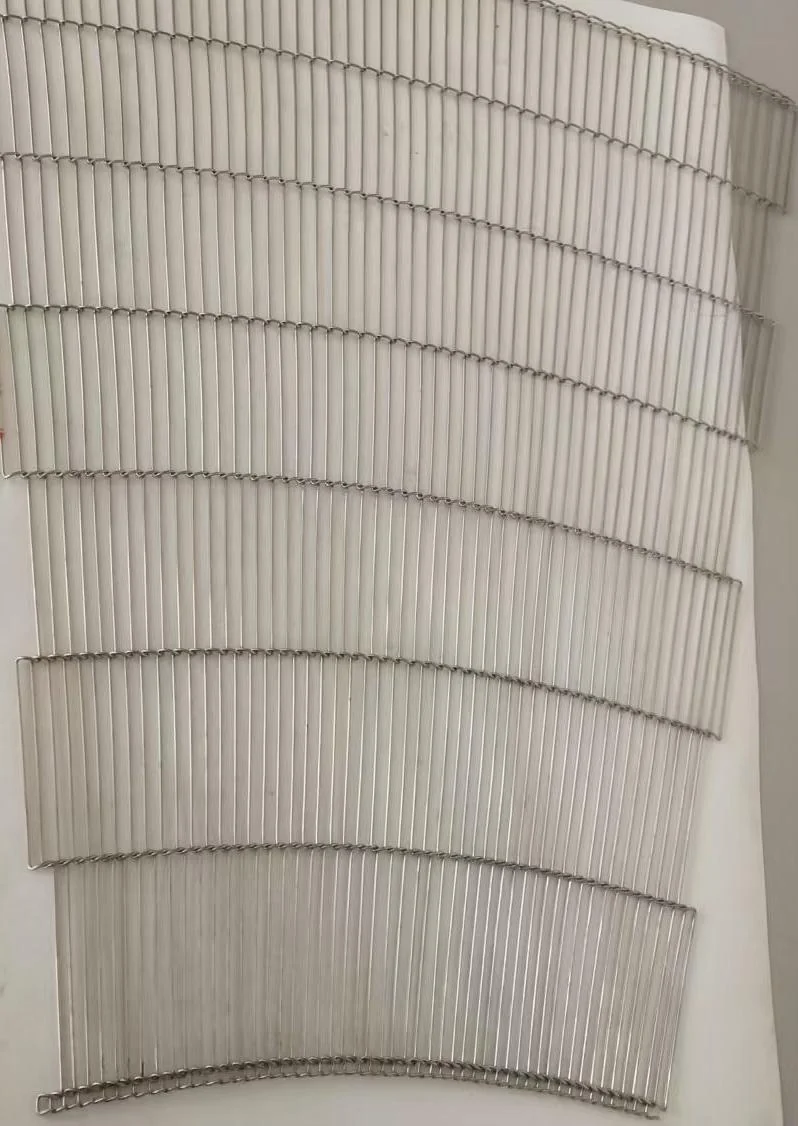
Small Radius Spiral Freezer BeltTM

Small Radius Spiral Freezer Belt

For equipment layouts designed around a reduced inside turning radius. Confirm the spiral geometry, belt width, edge structure and drive relationship before selection.

Review turning geometry, usable belt width, pitch configuration and equipment clearances.

Start Review →
Self-Stacking BeltTM

Self-Stacking Belt

For self-stacking spiral systems where the belt side structure forms and supports each tier. Review stacking geometry, side plates, product path and drive conditions.

Review stacking engagement, clearances, running direction and critical replacement dimensions.

View Product →

Priority Straight-Running Belt Reviews

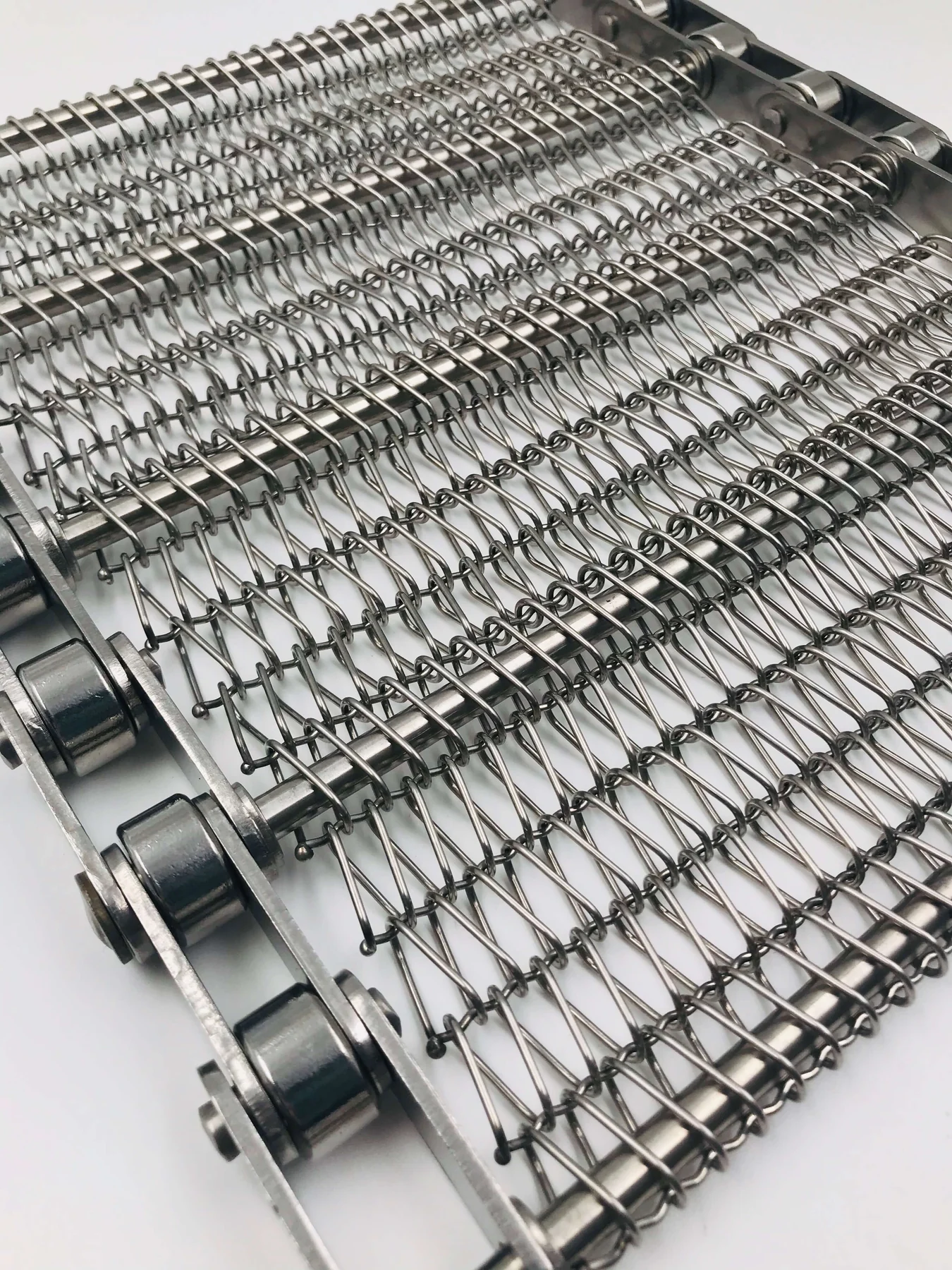
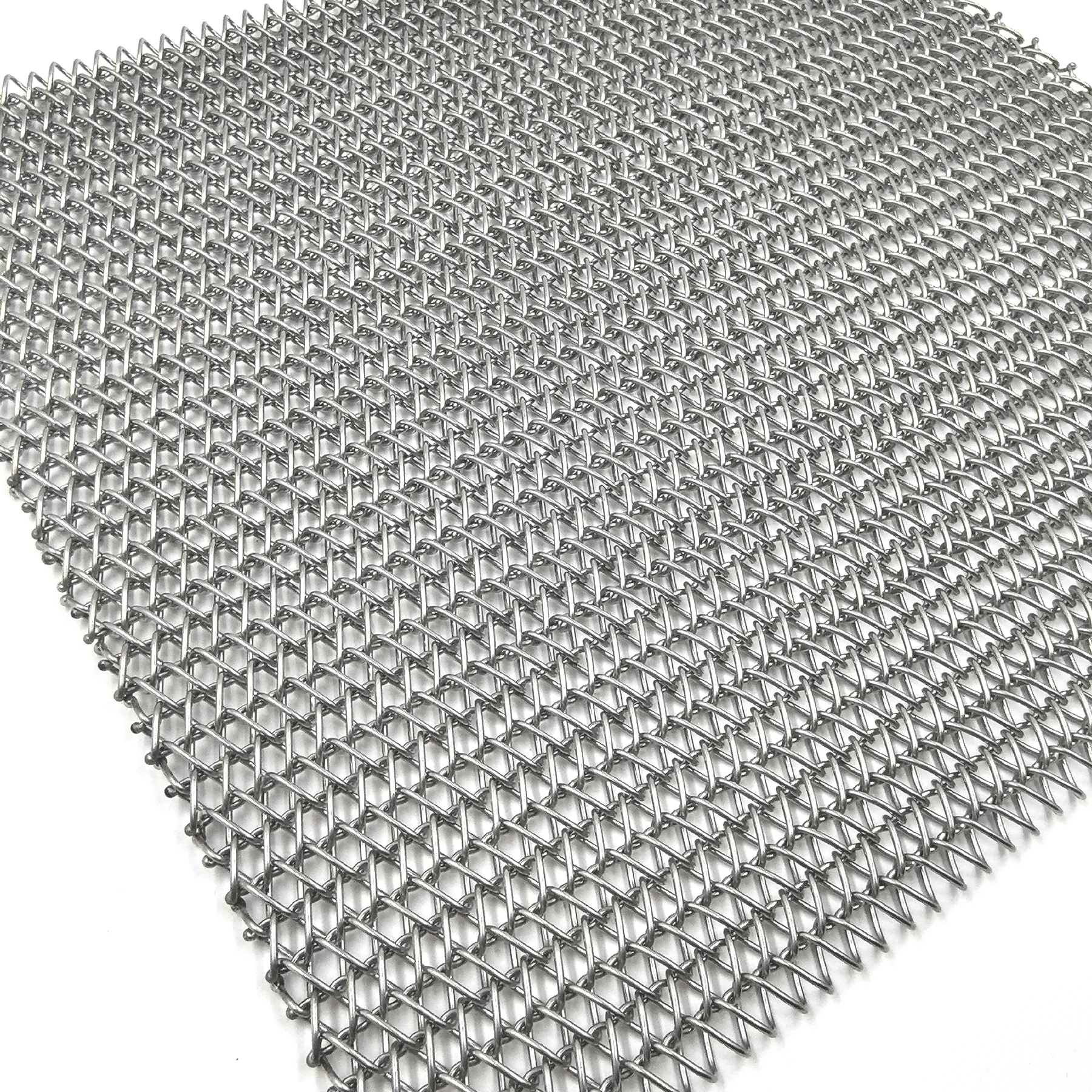
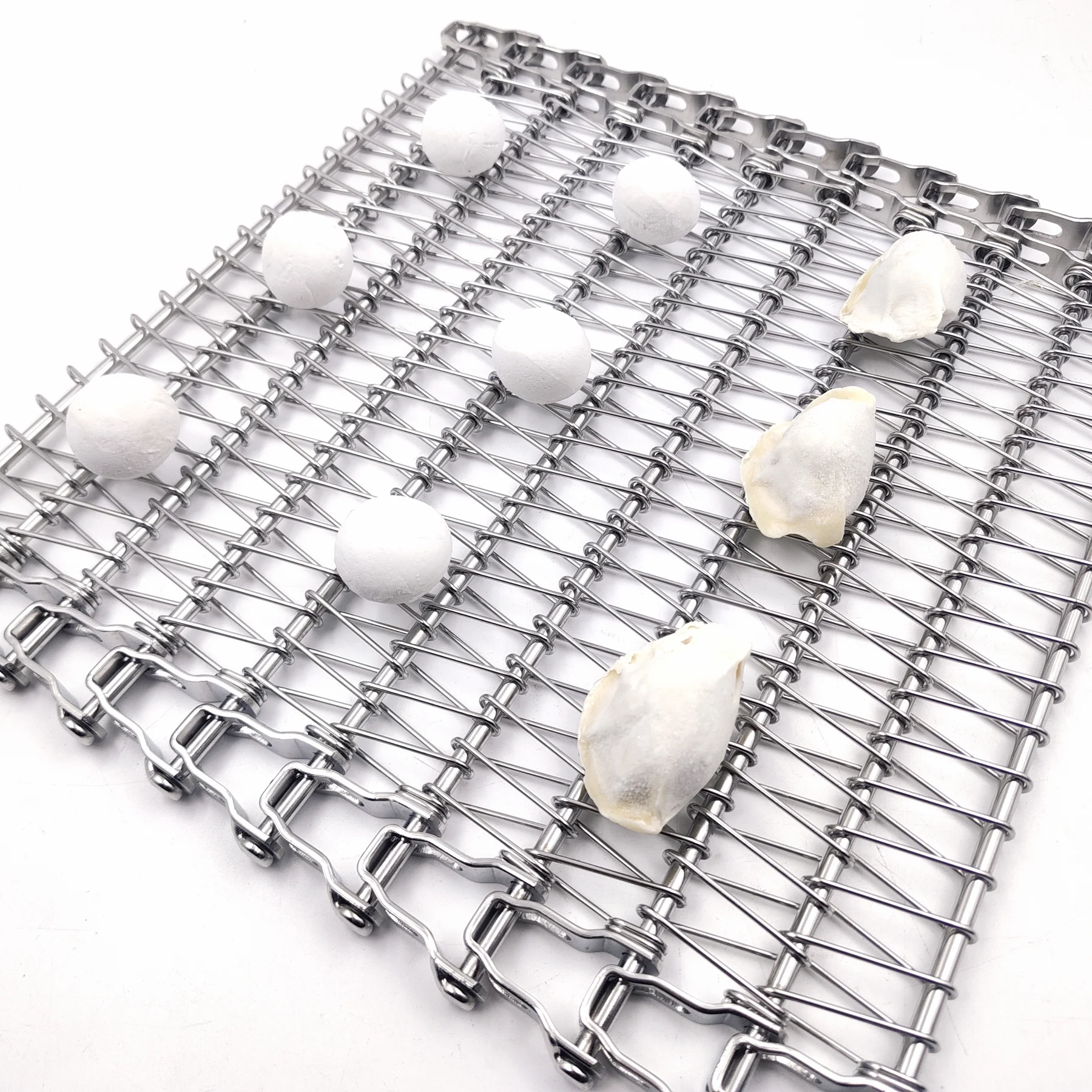
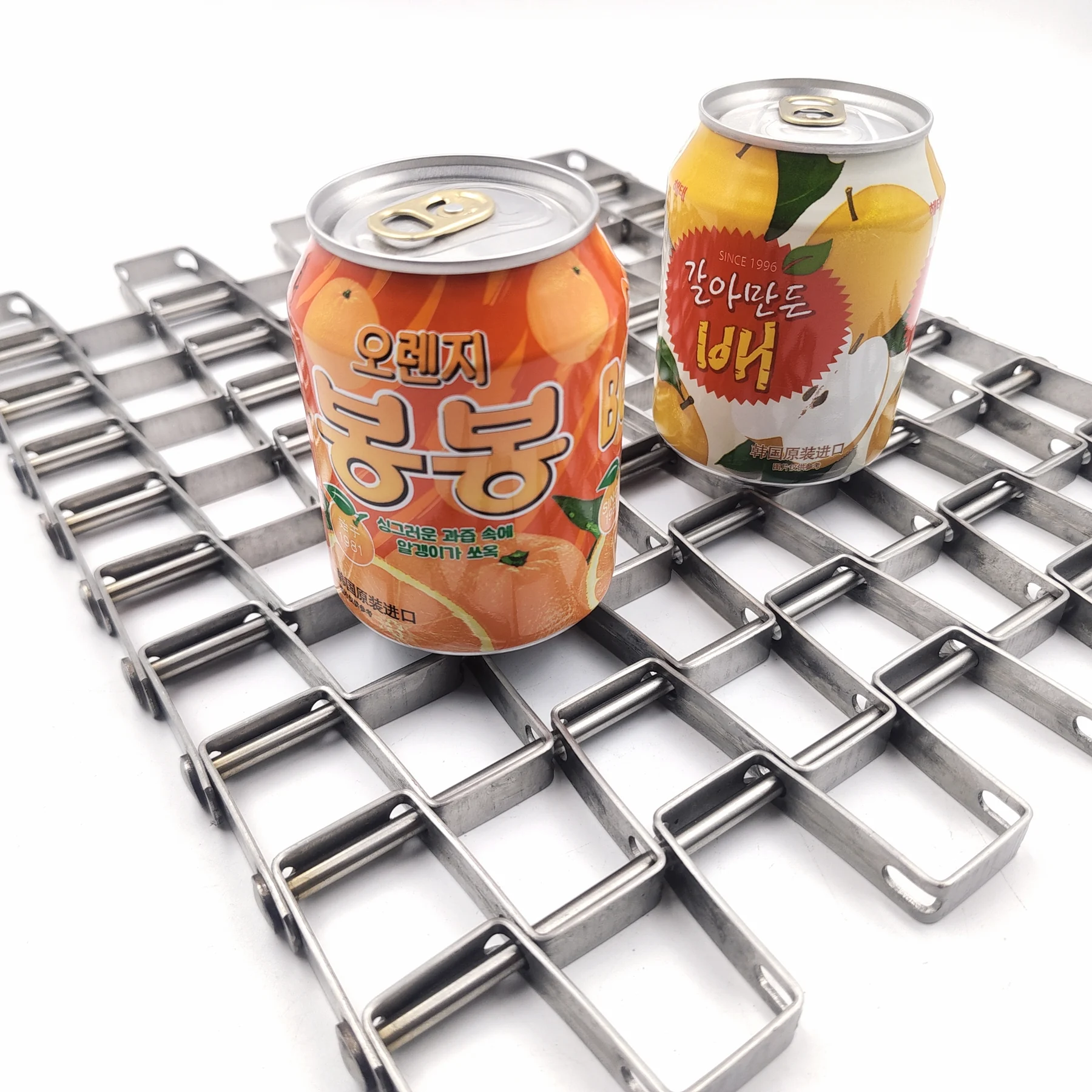
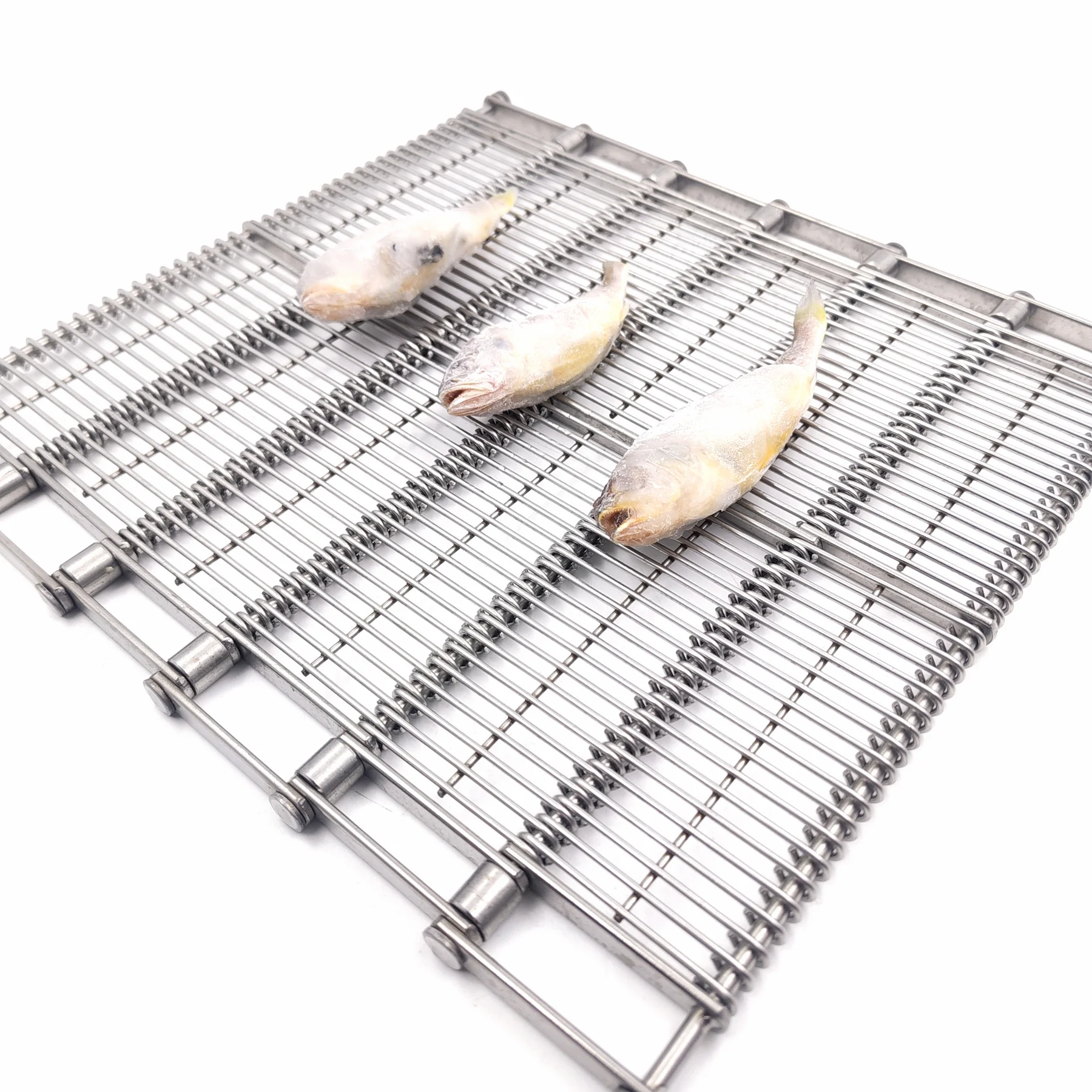
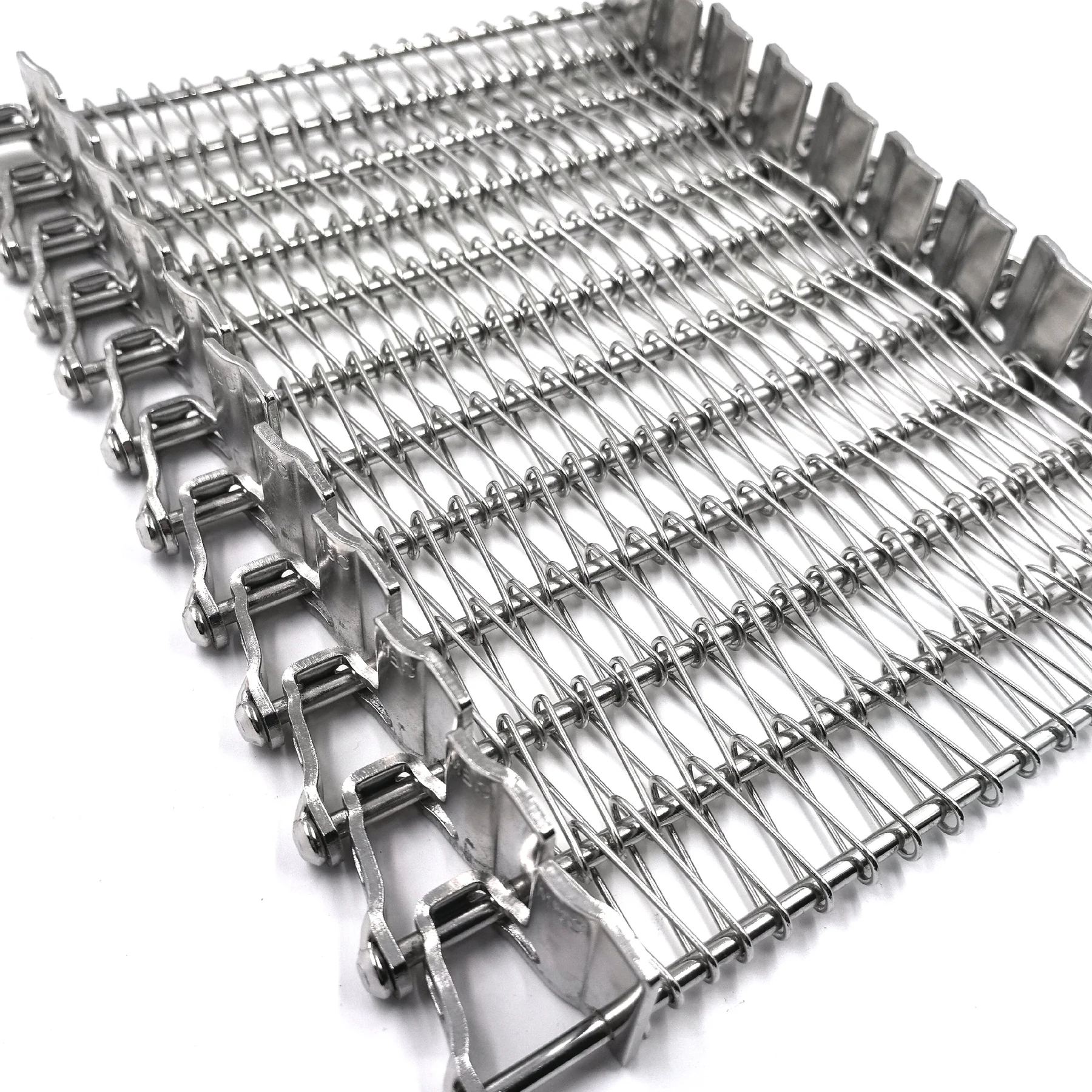
Close-up of an open-grid Flat Wire or Honeycomb Belt structure for equipment review.TM

Flat Wire / Honeycomb Belt

An open-grid, straight-running belt family reviewed for can washers, beverage-can and container handling, baking, cooling, drying and transfer lines.

Can washing · Container handling · Cooling / drying

Confirm drainage and spray-open-area needs, pitch, opening, edge style, transfer stability, support and drive interface from the project data.

View 8 Additional Products

Continue by product structure, or return to the application selector above if the belt name is uncertain.

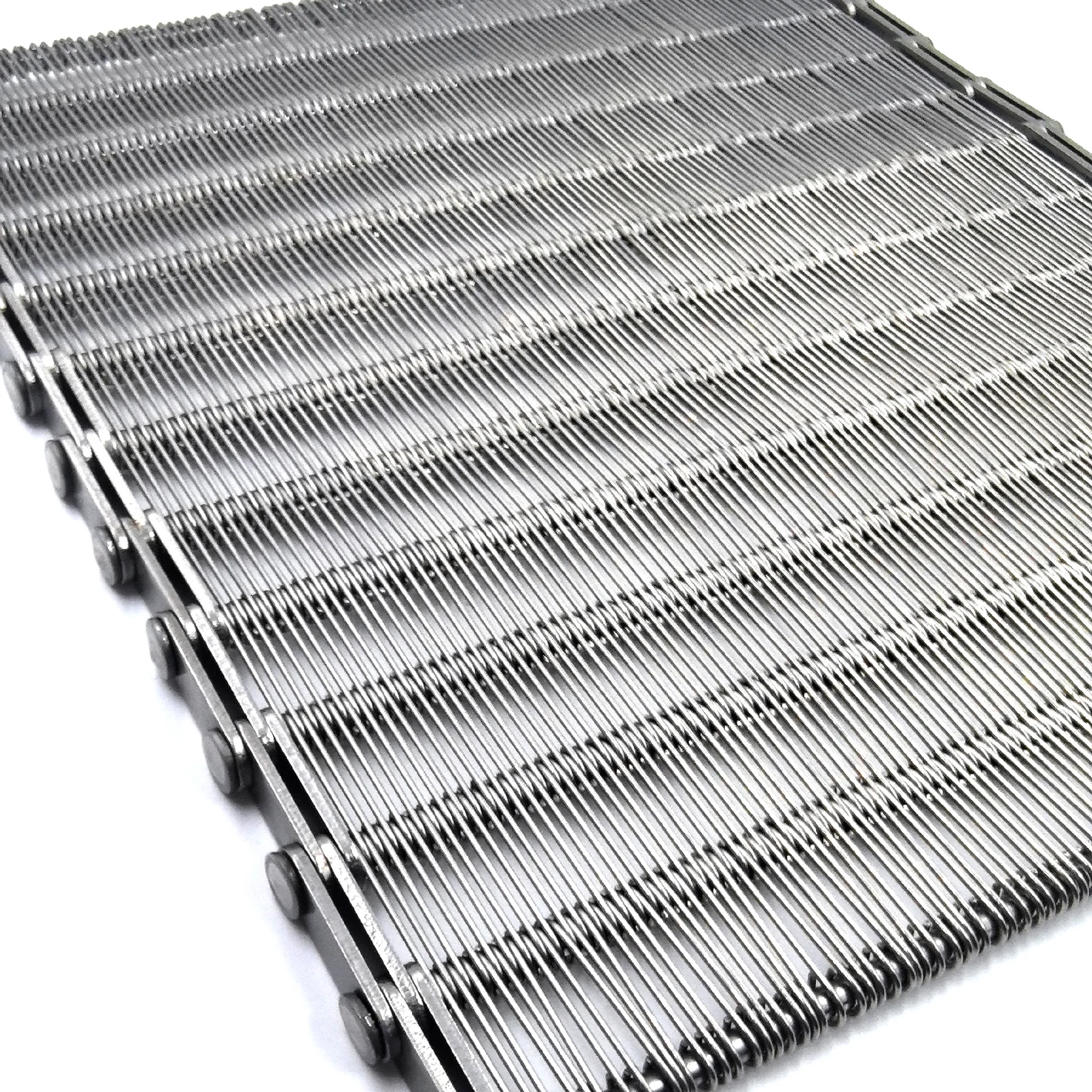
Chain-Driven BeltTM

Chain-Driven Belt

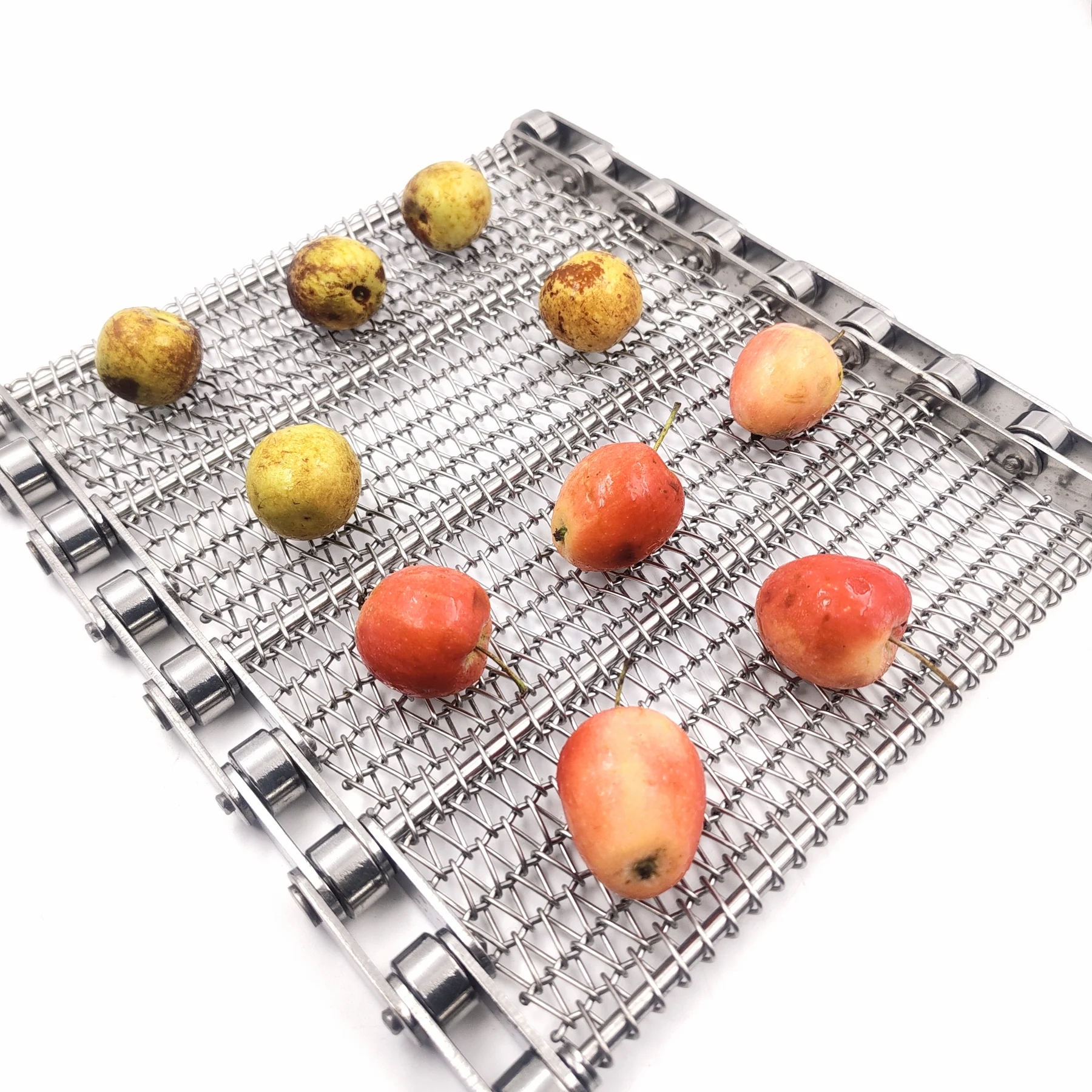
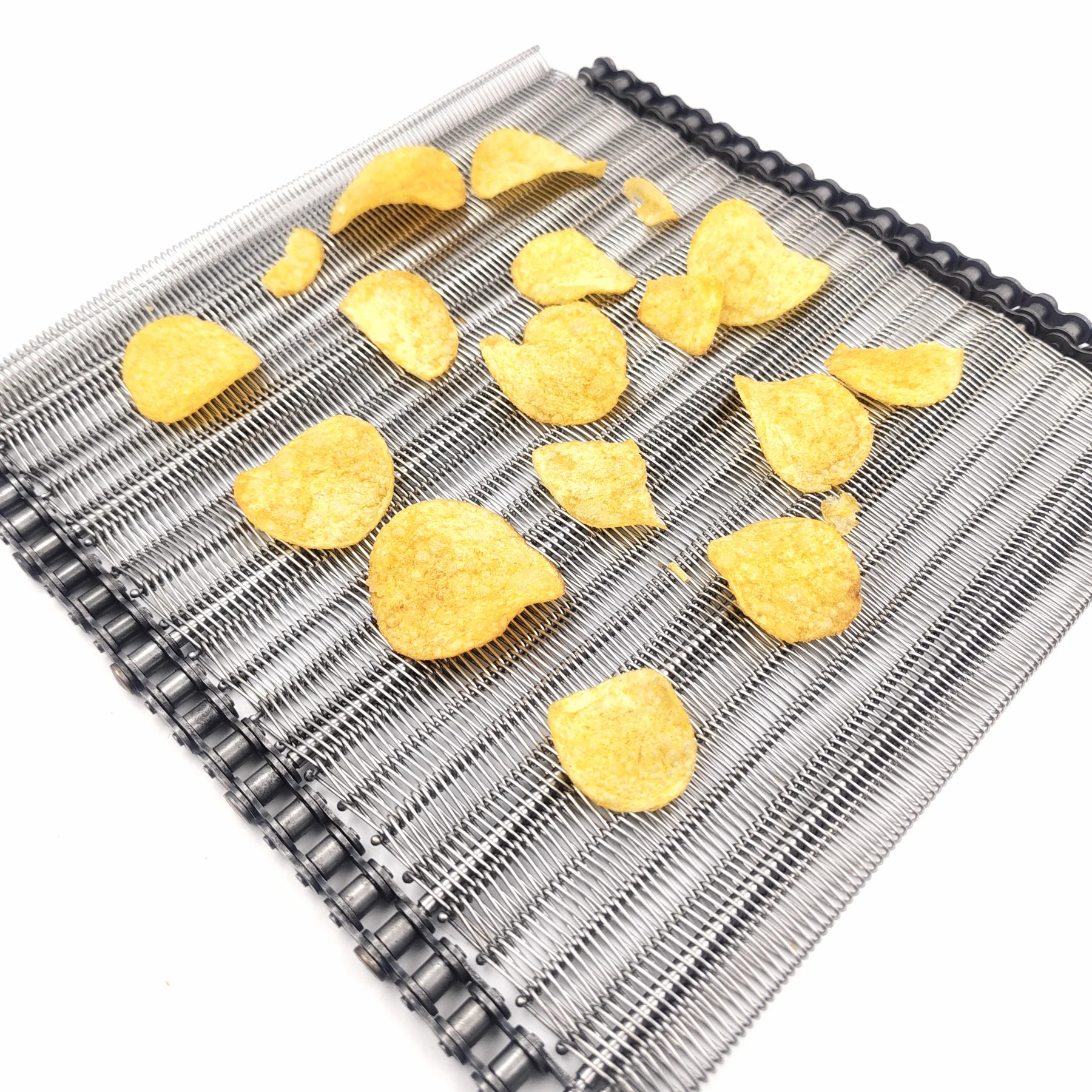
For conveyor systems that use side chains for positive drive. Match chain specification, cross-rod connection, sprockets, supports and operating conditions.

Side-Driven BeltTM

Side-Driven Belt

For equipment that transfers drive through the belt edge or side interface. Confirm edge design, engagement geometry, turning path and available drive details.
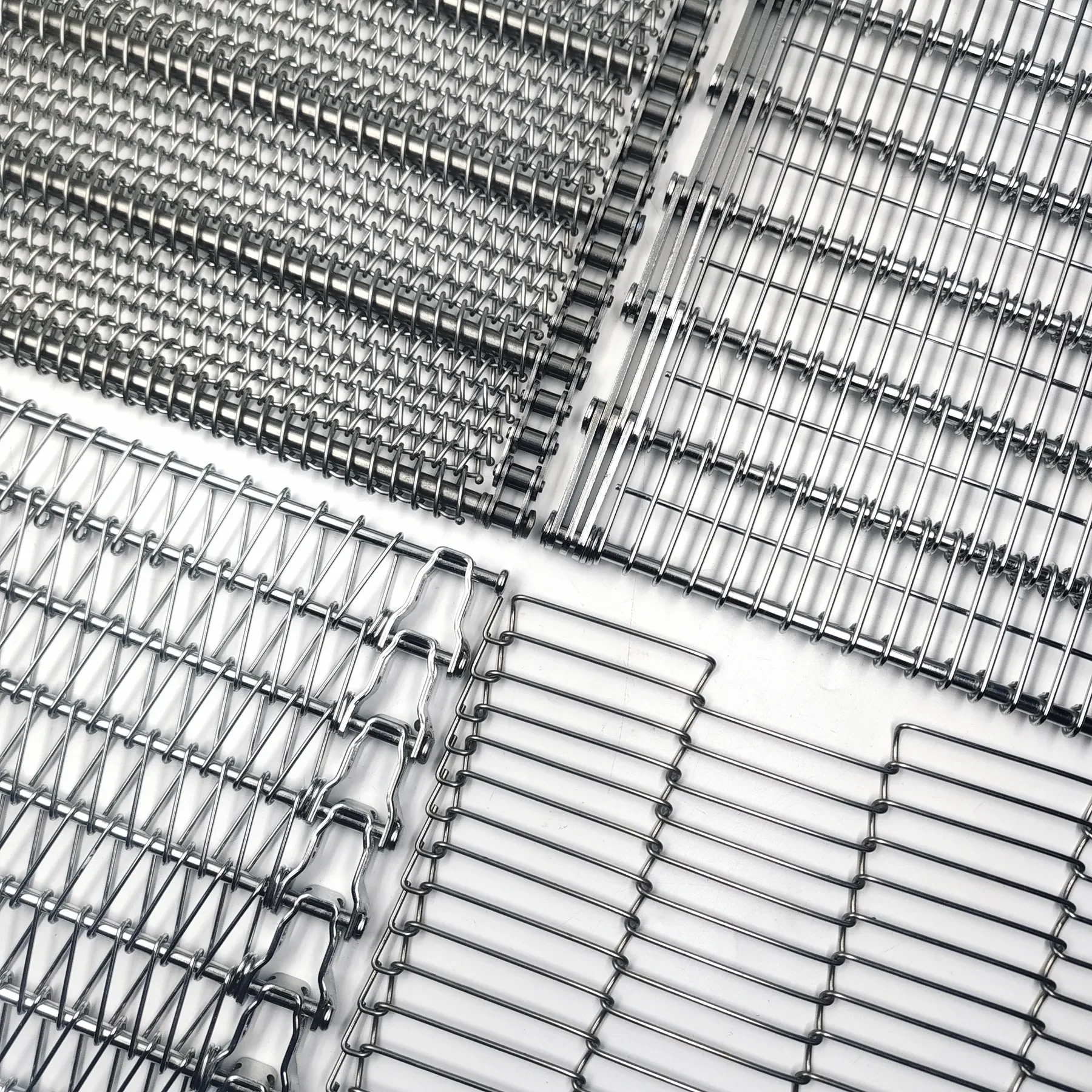
Balanced Weave BeltTM

Balanced Weave Belt

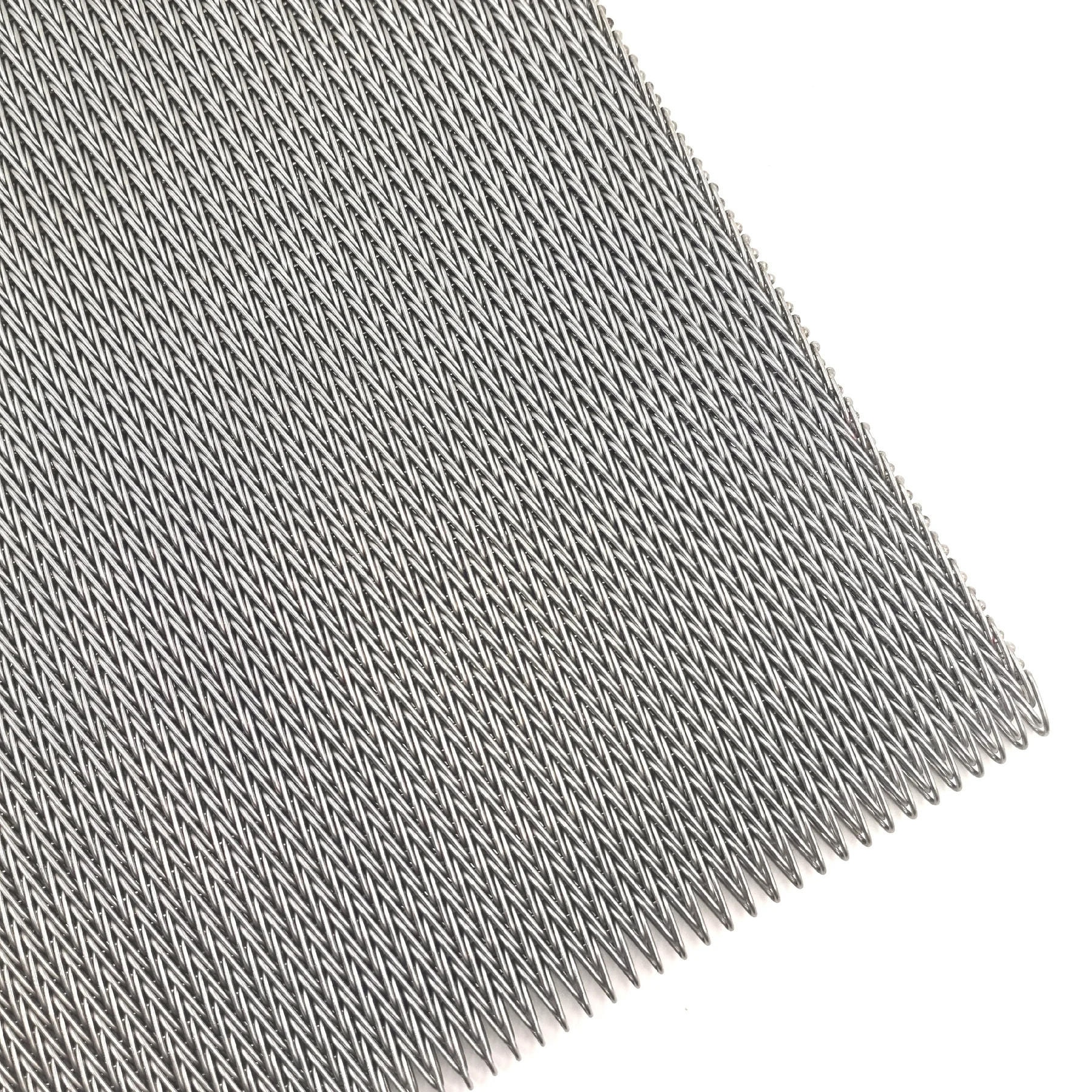
A woven wire belt family for continuous processing and conveying. Select mesh, wire, edge finish, product support and tracking conditions from confirmed line data.

Compound Weave BeltTM

Compound Weave Belt

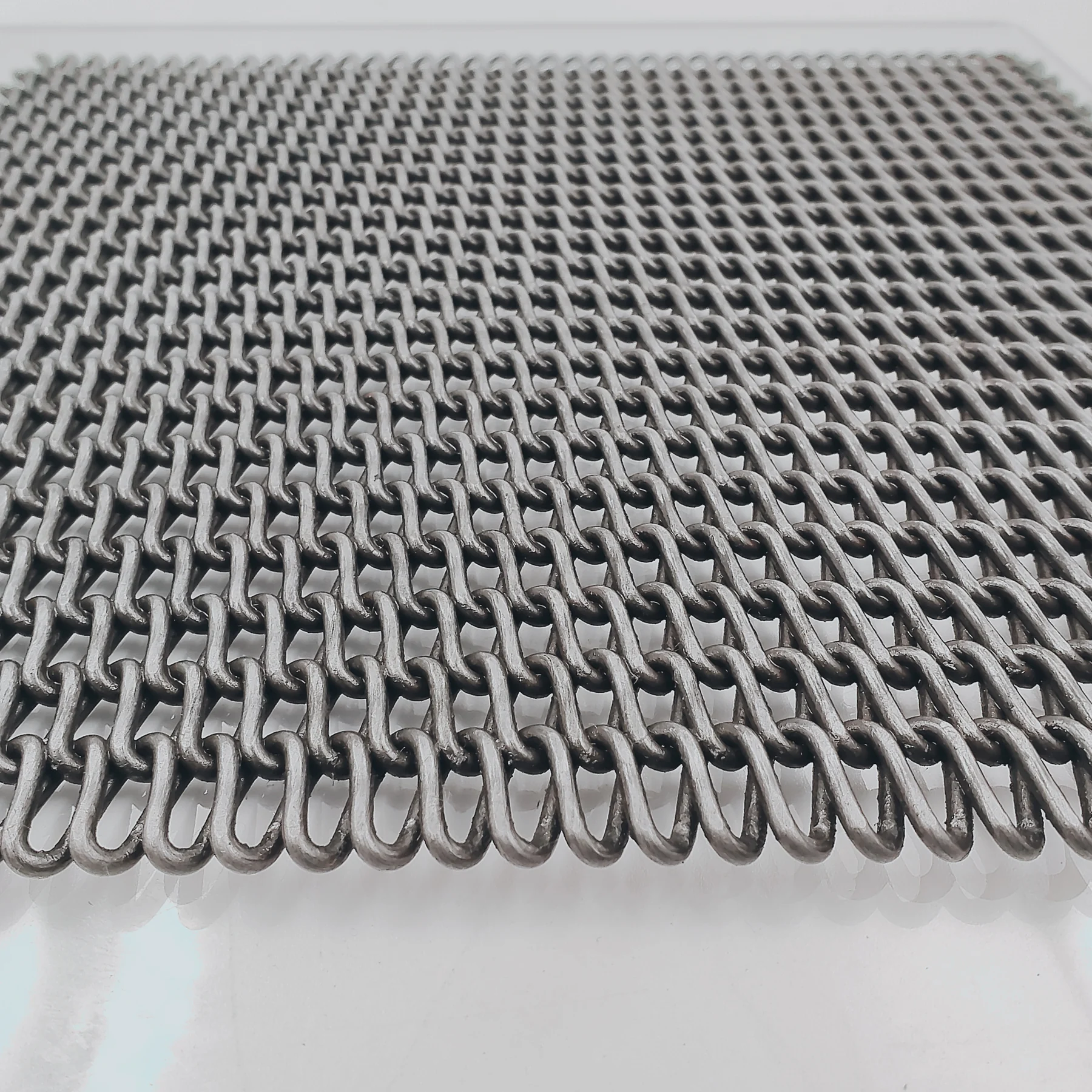
A close-mesh woven structure considered when smaller products or a denser support surface is required. Review product size, transfer, airflow or drainage, cleaning and drive conditions.

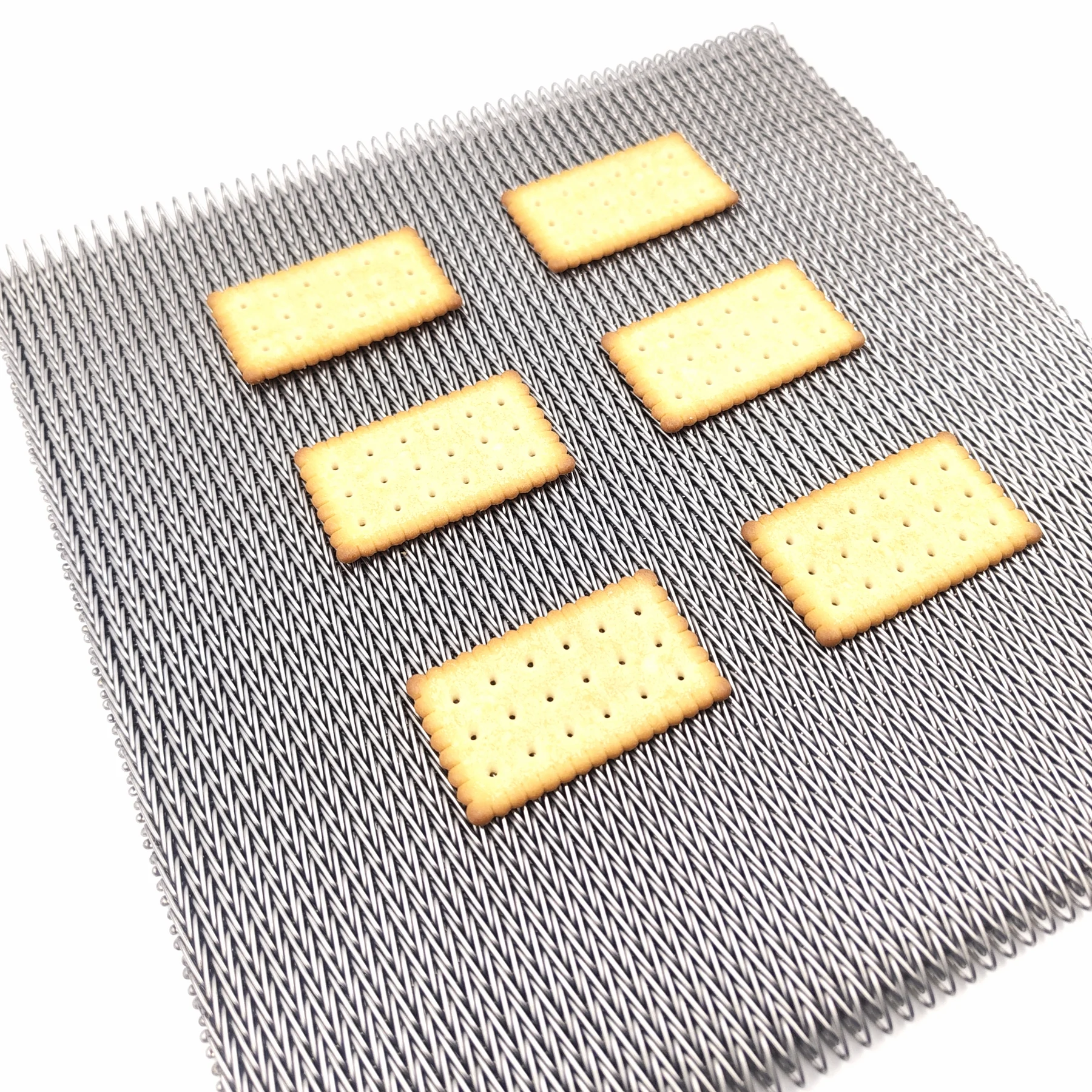
Biscuit BeltTM

Biscuit Belt

For biscuit and bakery conveyor sections where product support, release and transfer alignment matter. Confirm oven layout, product dimensions, belt path and edge construction.

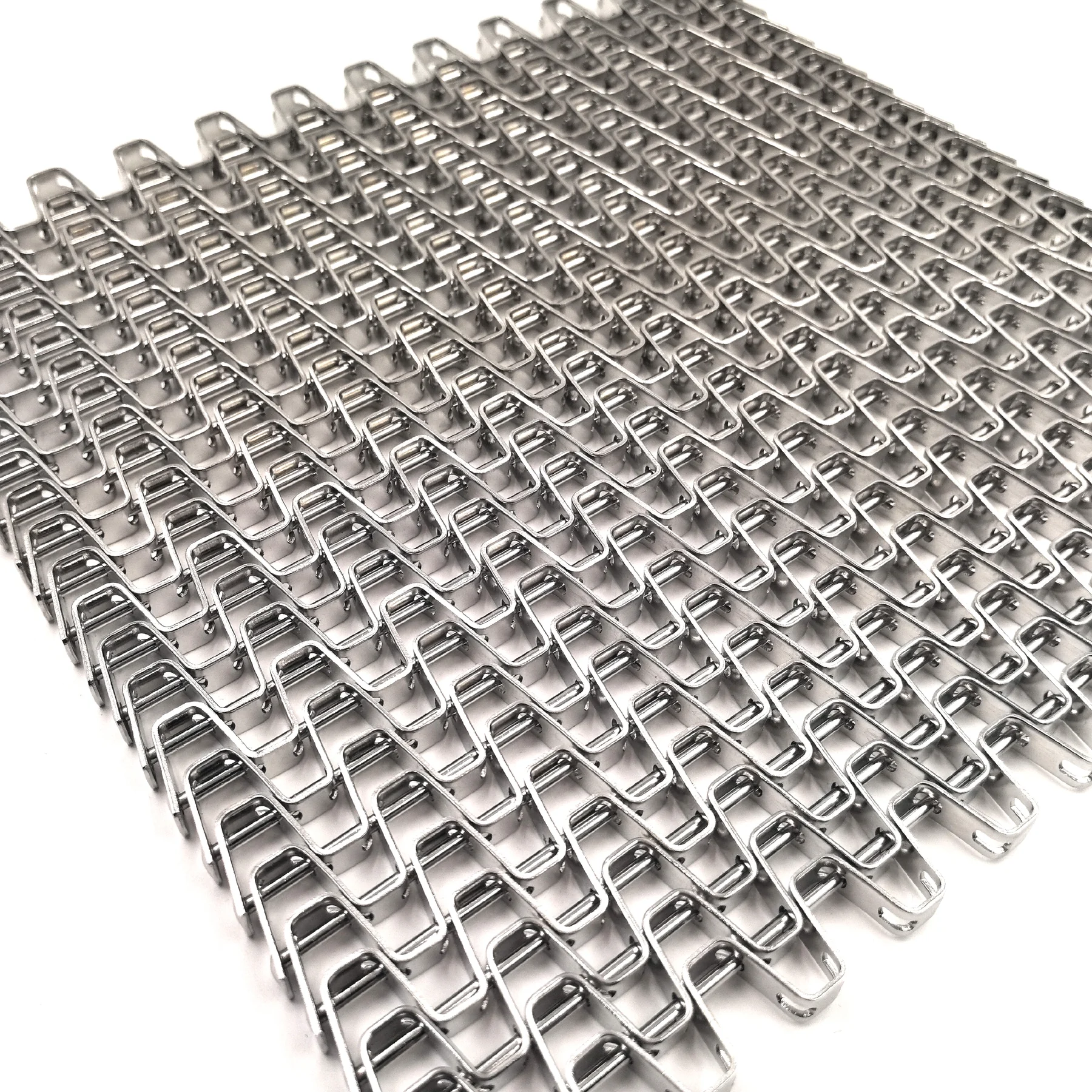
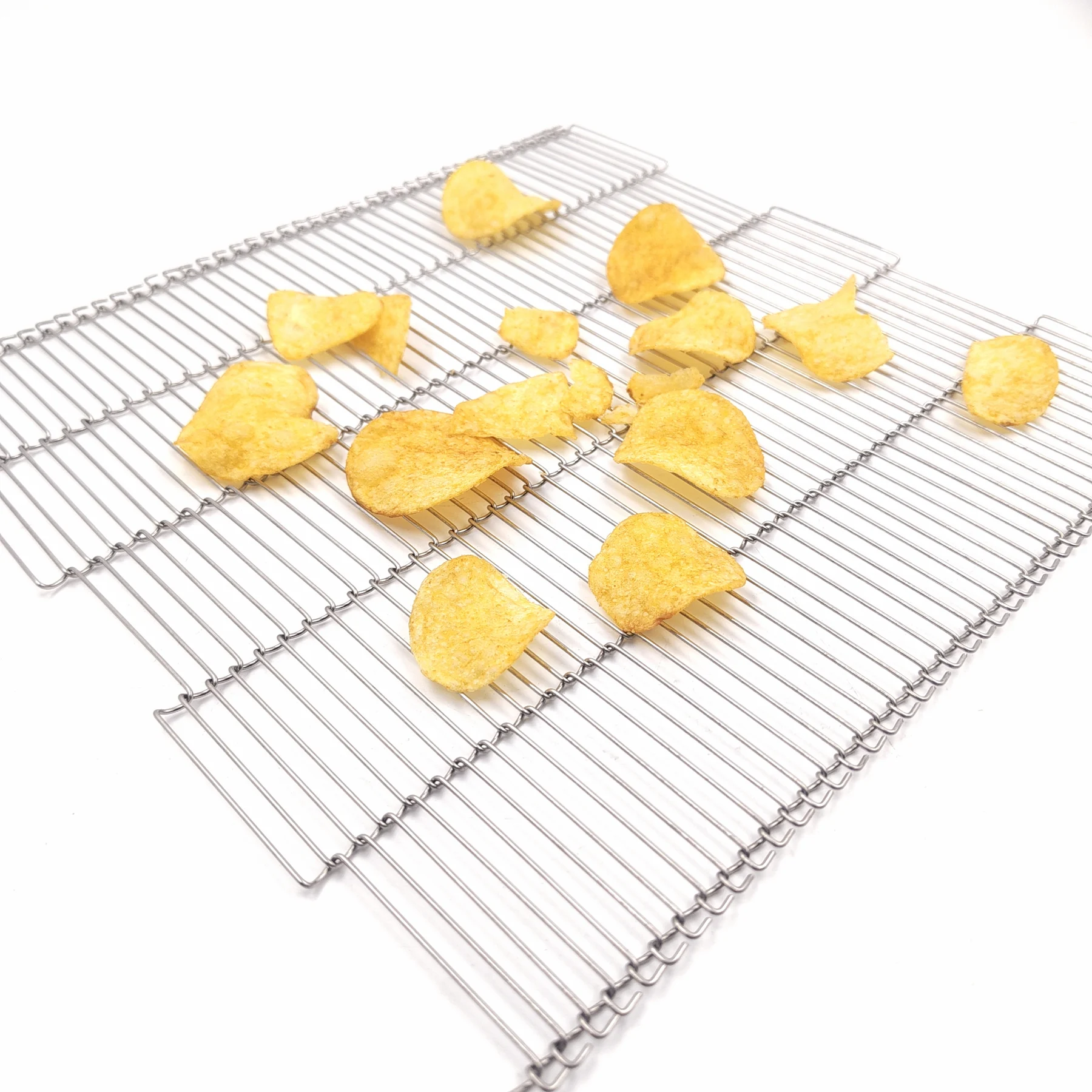
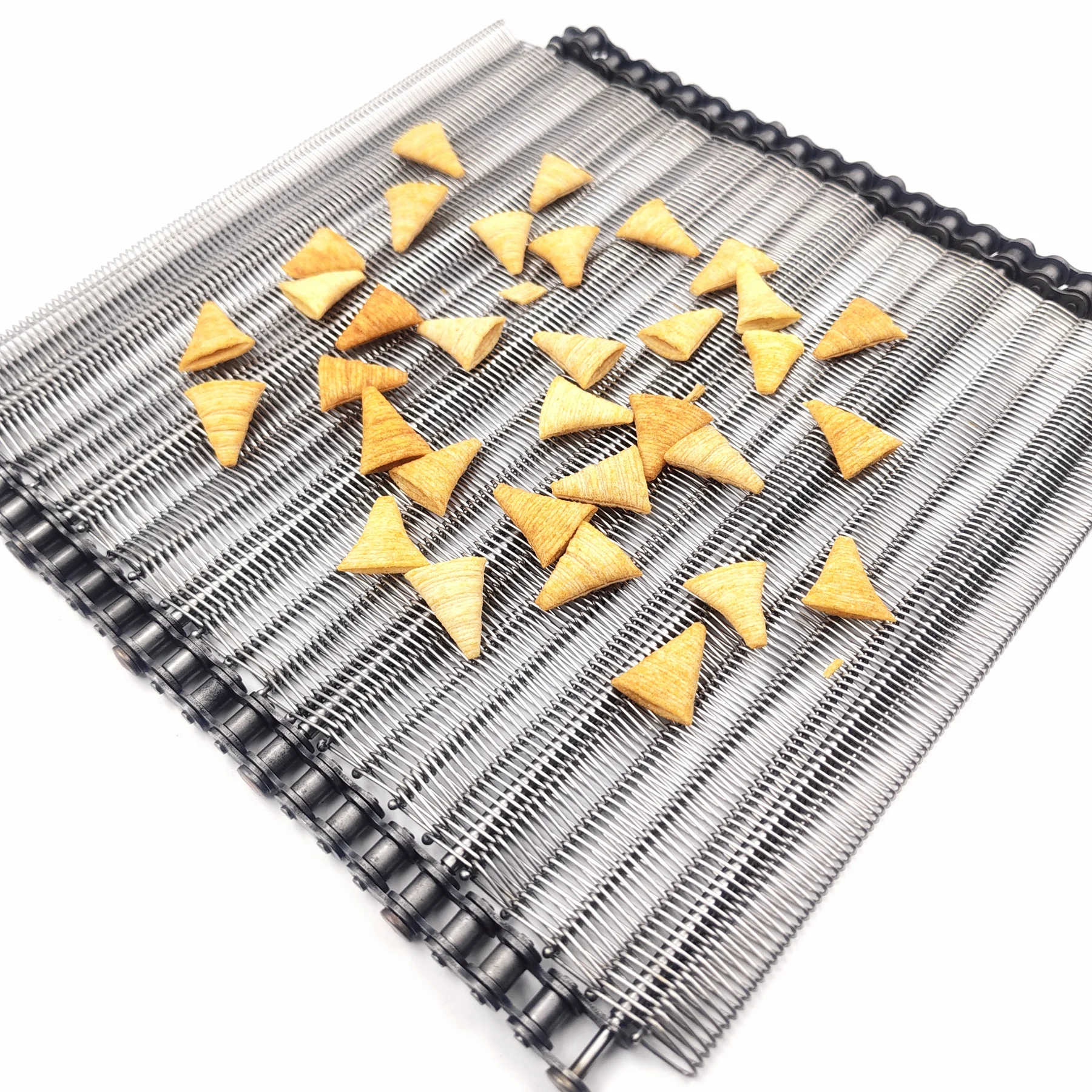
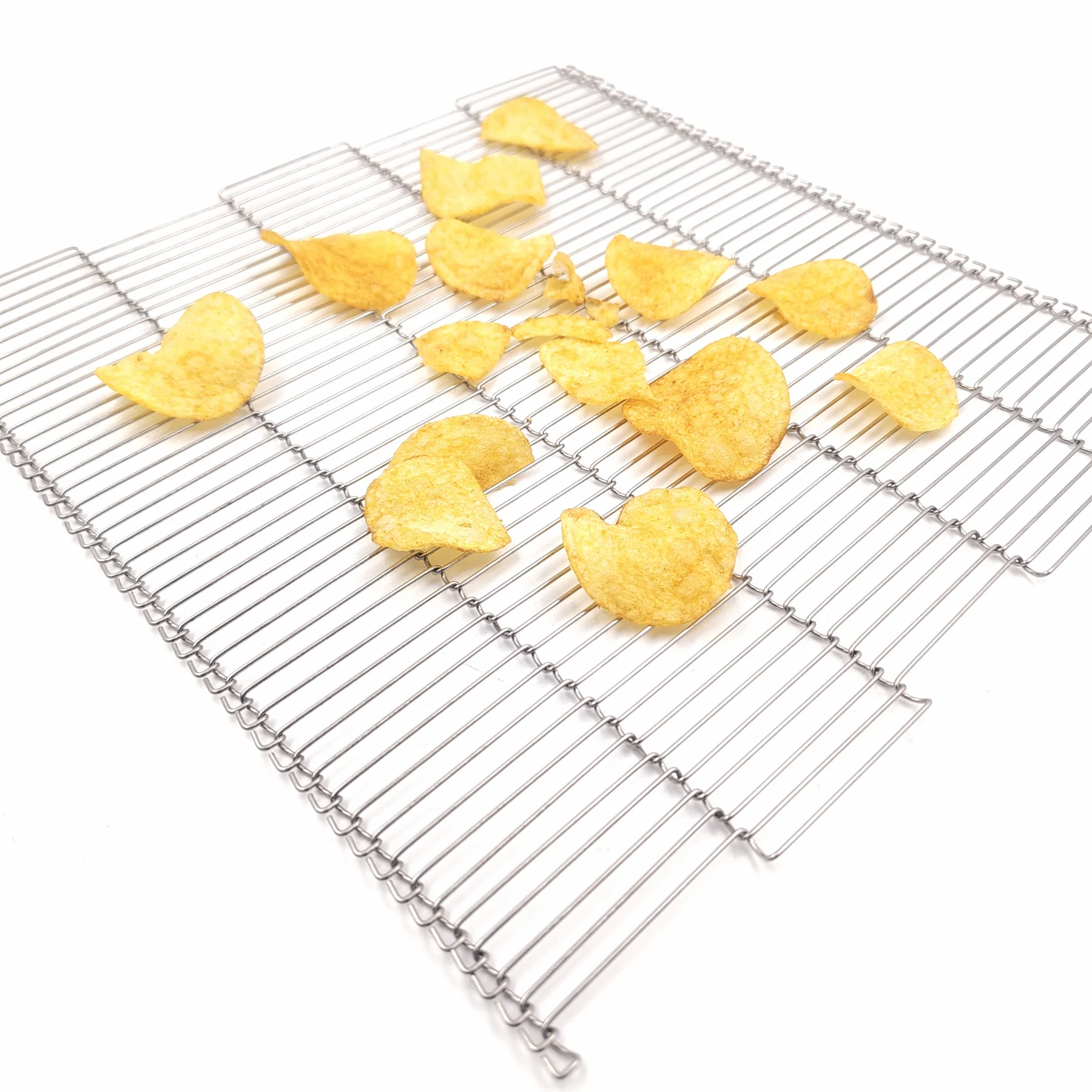
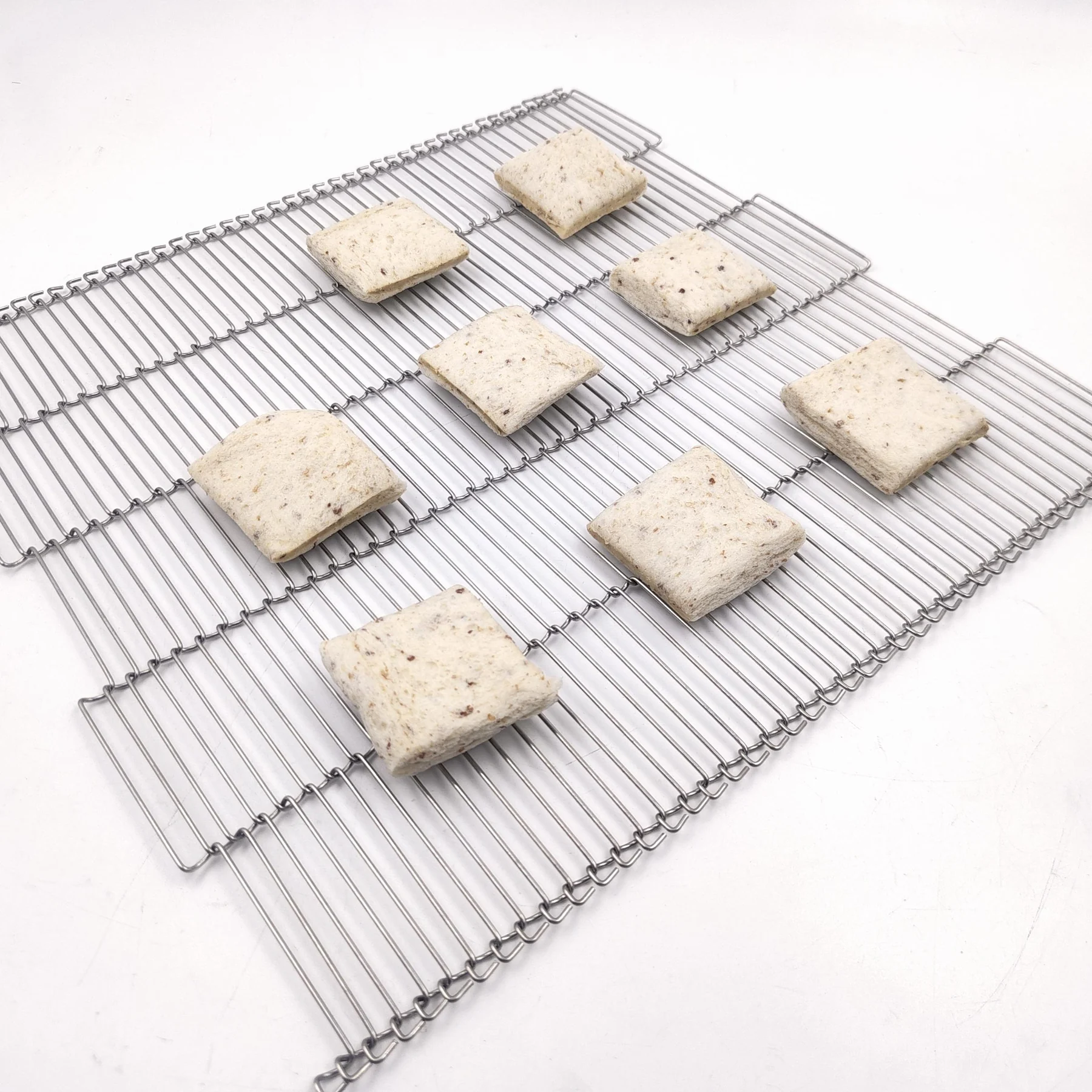
Z-Type Ladder Belt, also searched as Trapezoidal Mesh Belt, shown with visible snack pieces for product-support context.TM

Z-Type Ladder Belt

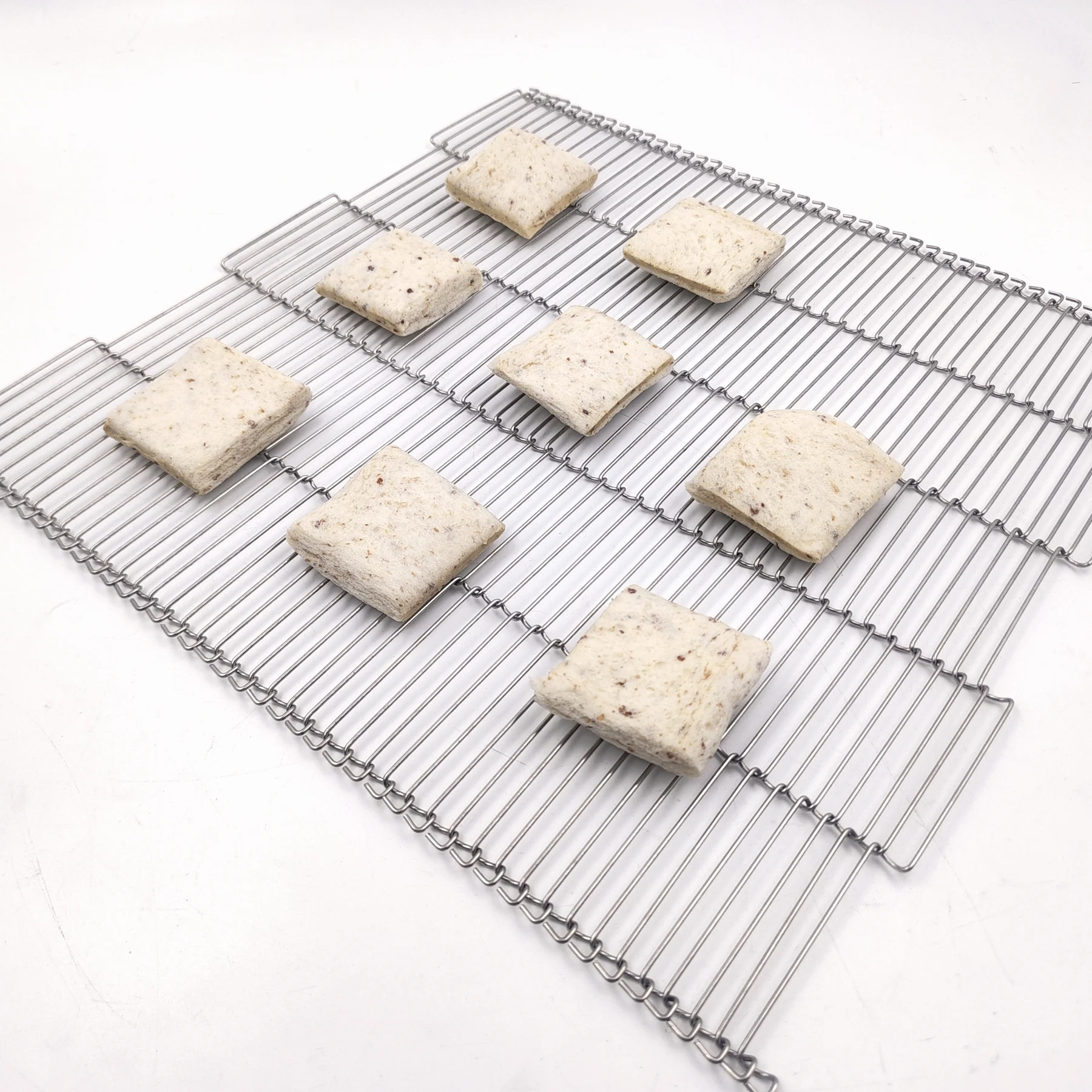
An open ladder-style structure, also searched as trapezoidal mesh belt, reviewed where spaced cross rods and controlled product support are needed. Confirm pitch, rod layout, edge design and transfer points.

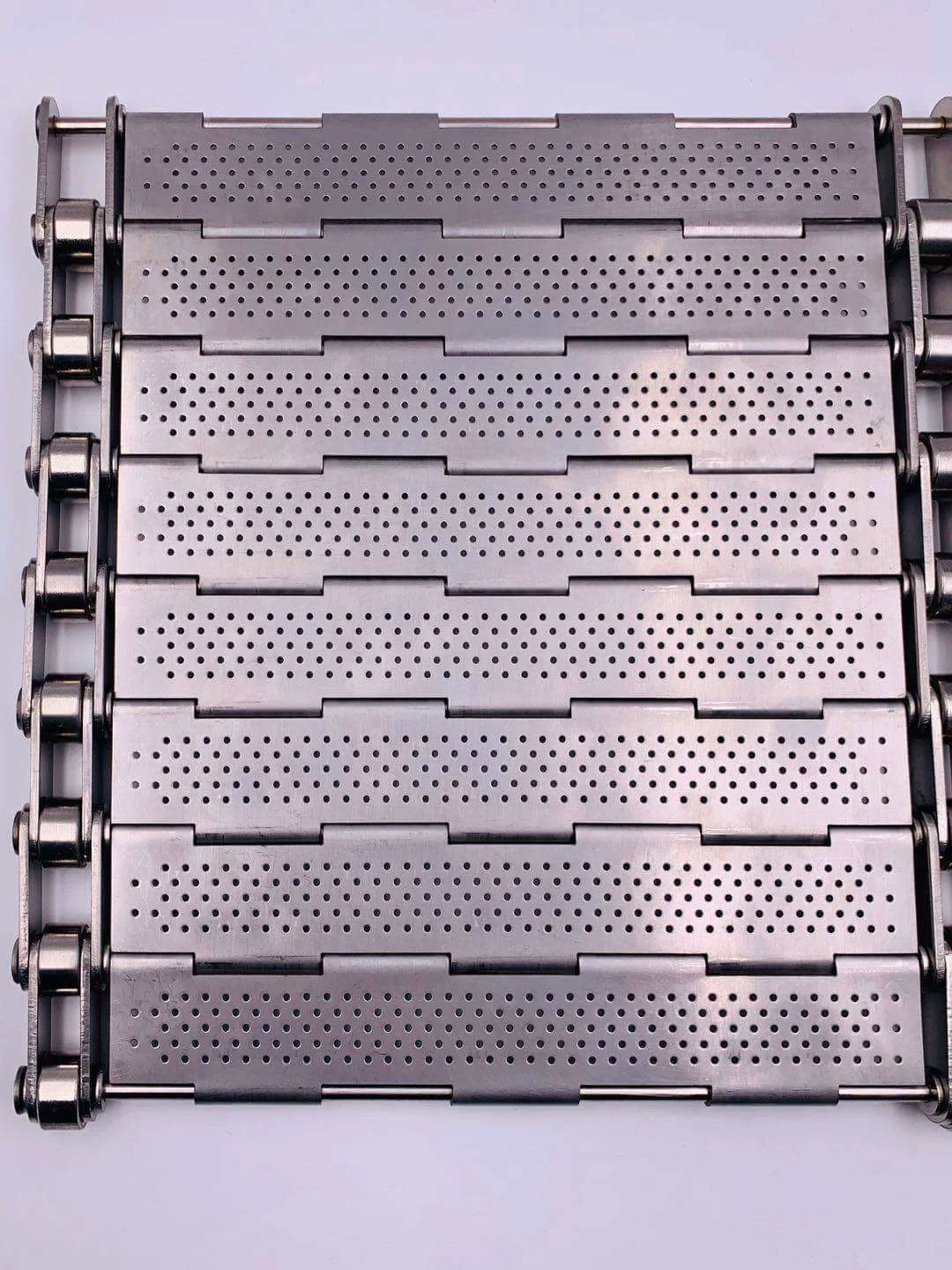
Plate Link BeltTM

Plate Link Belt

A linked plate structure for conveying lines that require a defined supporting surface and matched drive. Review plate geometry, rod connection, edges, sprockets and operating conditions.

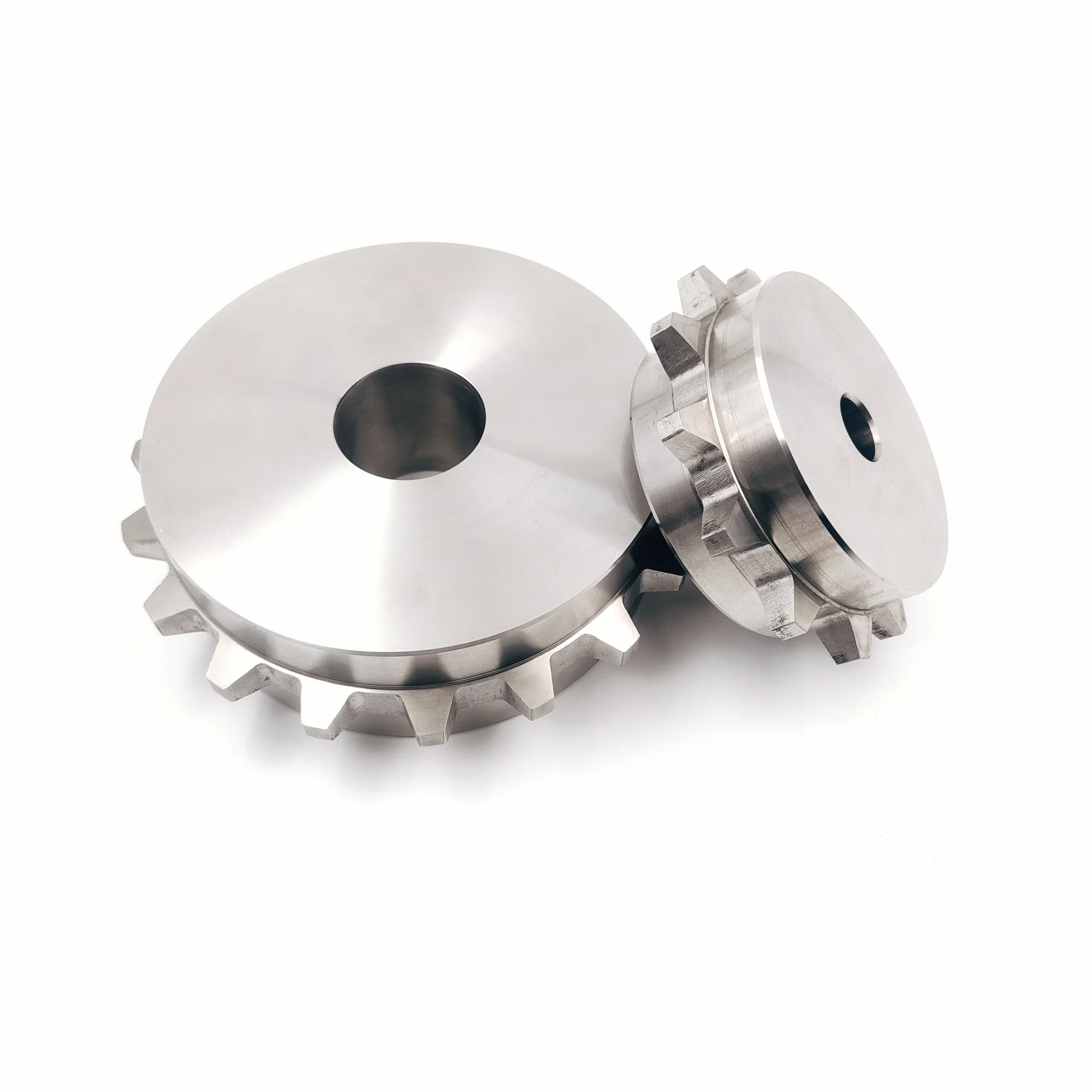
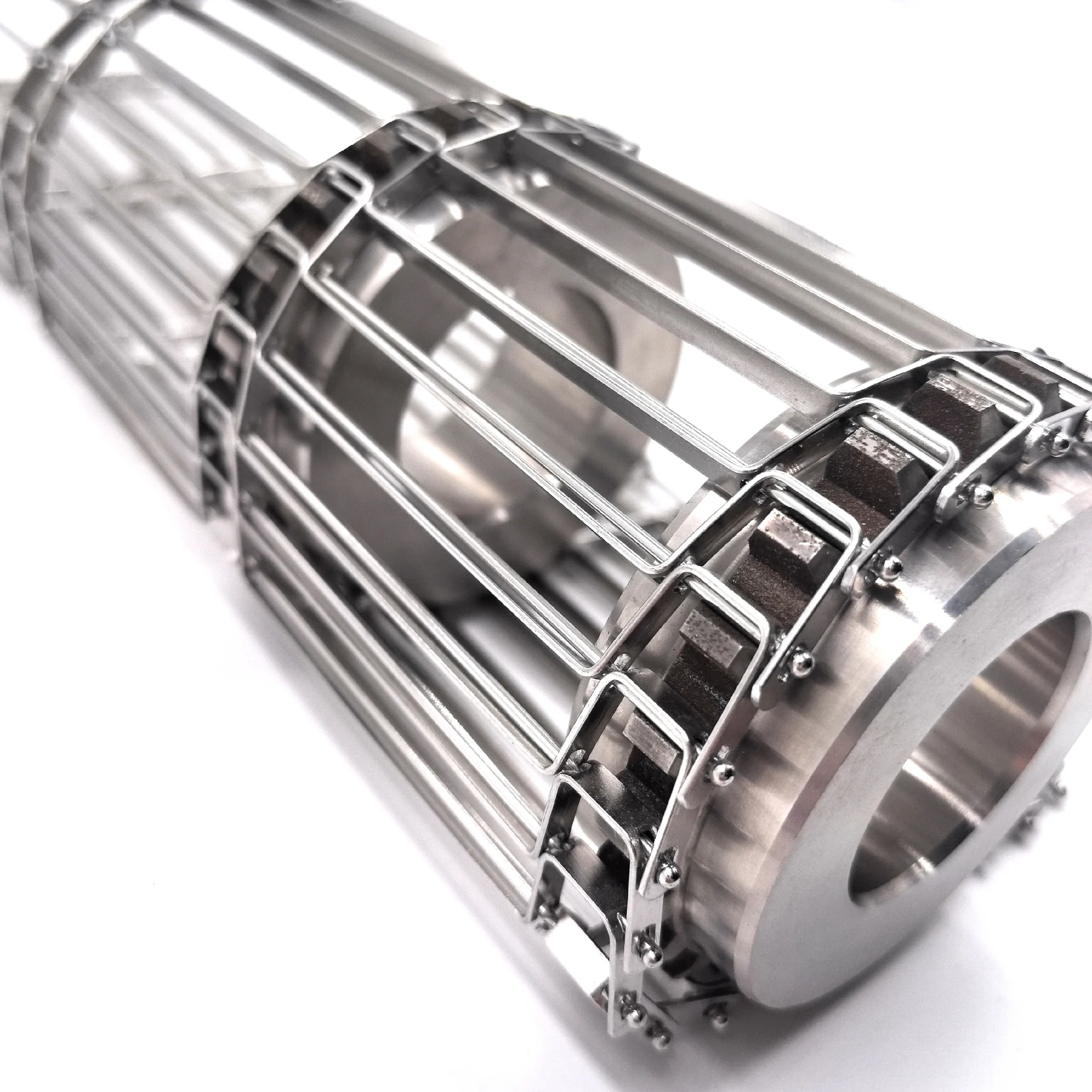
Metal sprockets shown as drive-component references for a belt project review.TM

Sprockets

Matched drive components reviewed together with belt pitch, rods, chains or edge engagement. Send the existing sprocket drawing, tooth details or clear photos when available.

Choose by Product & Processing Context

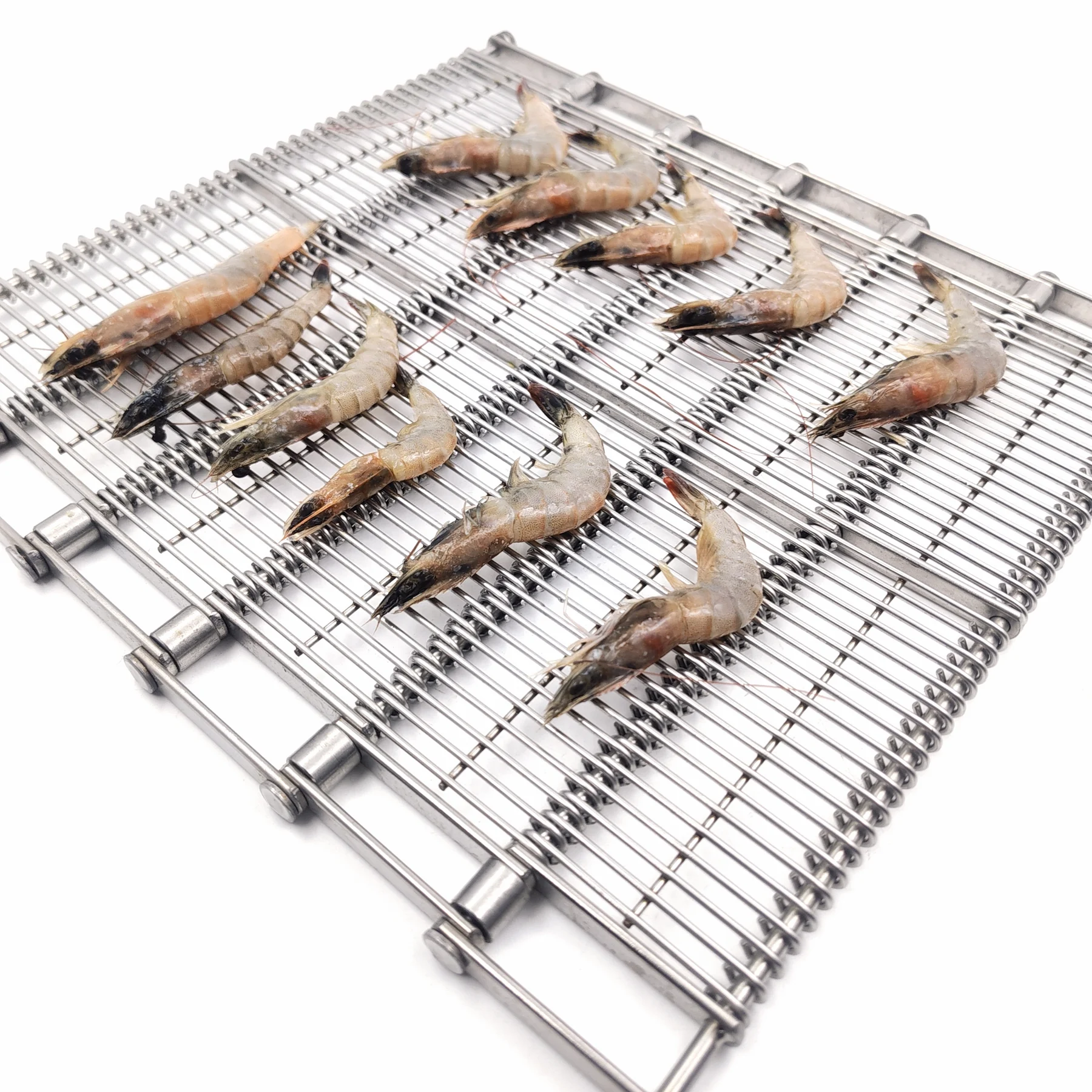
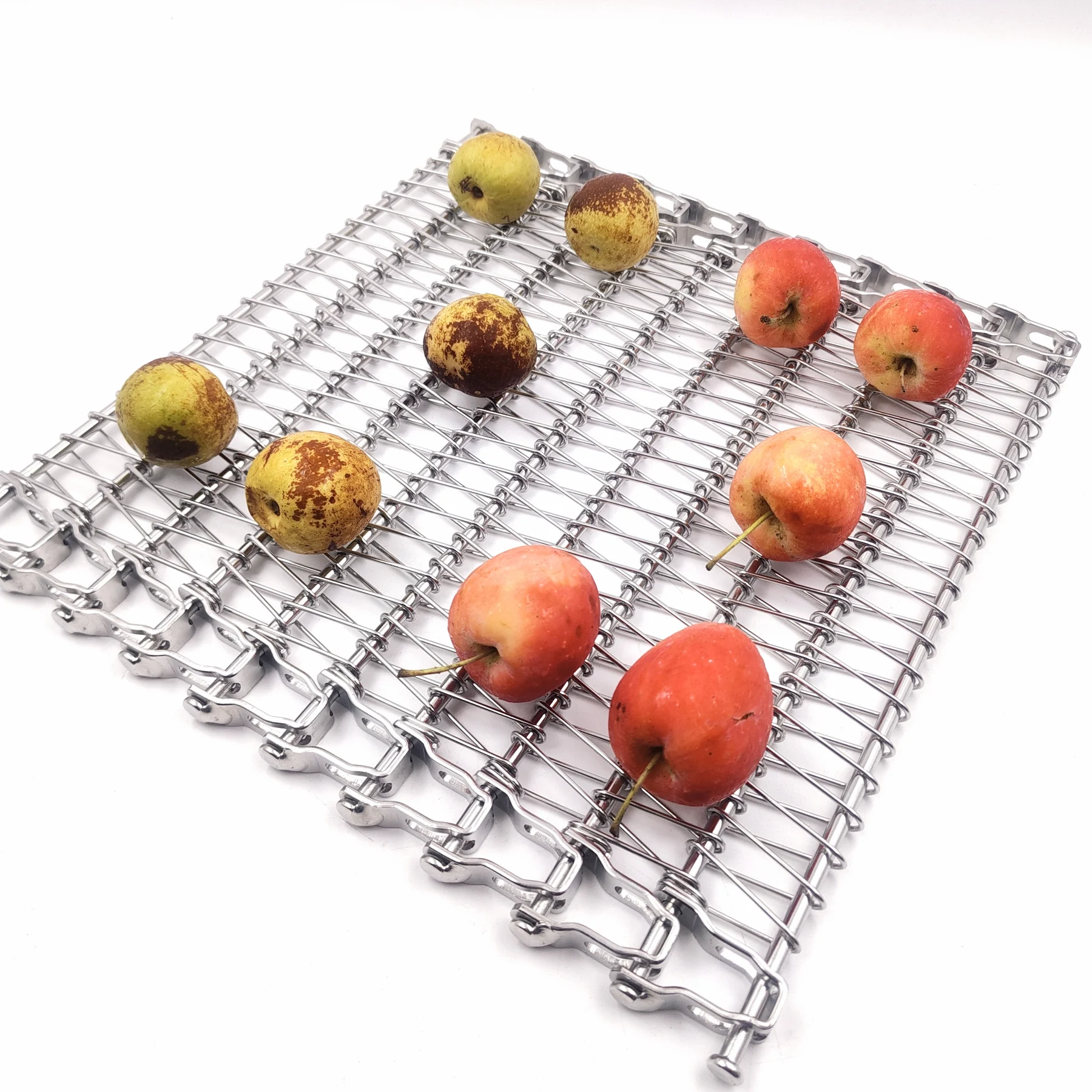
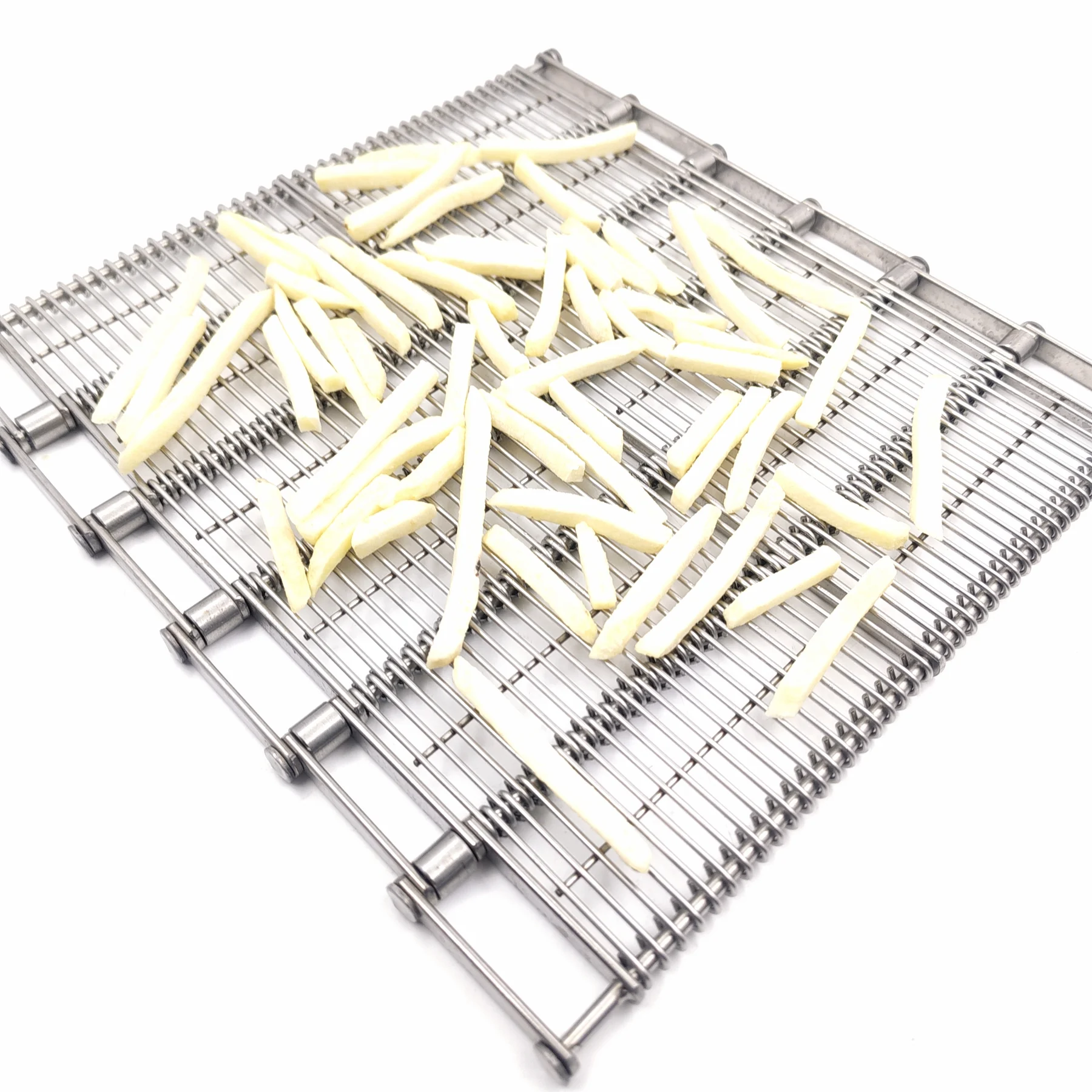
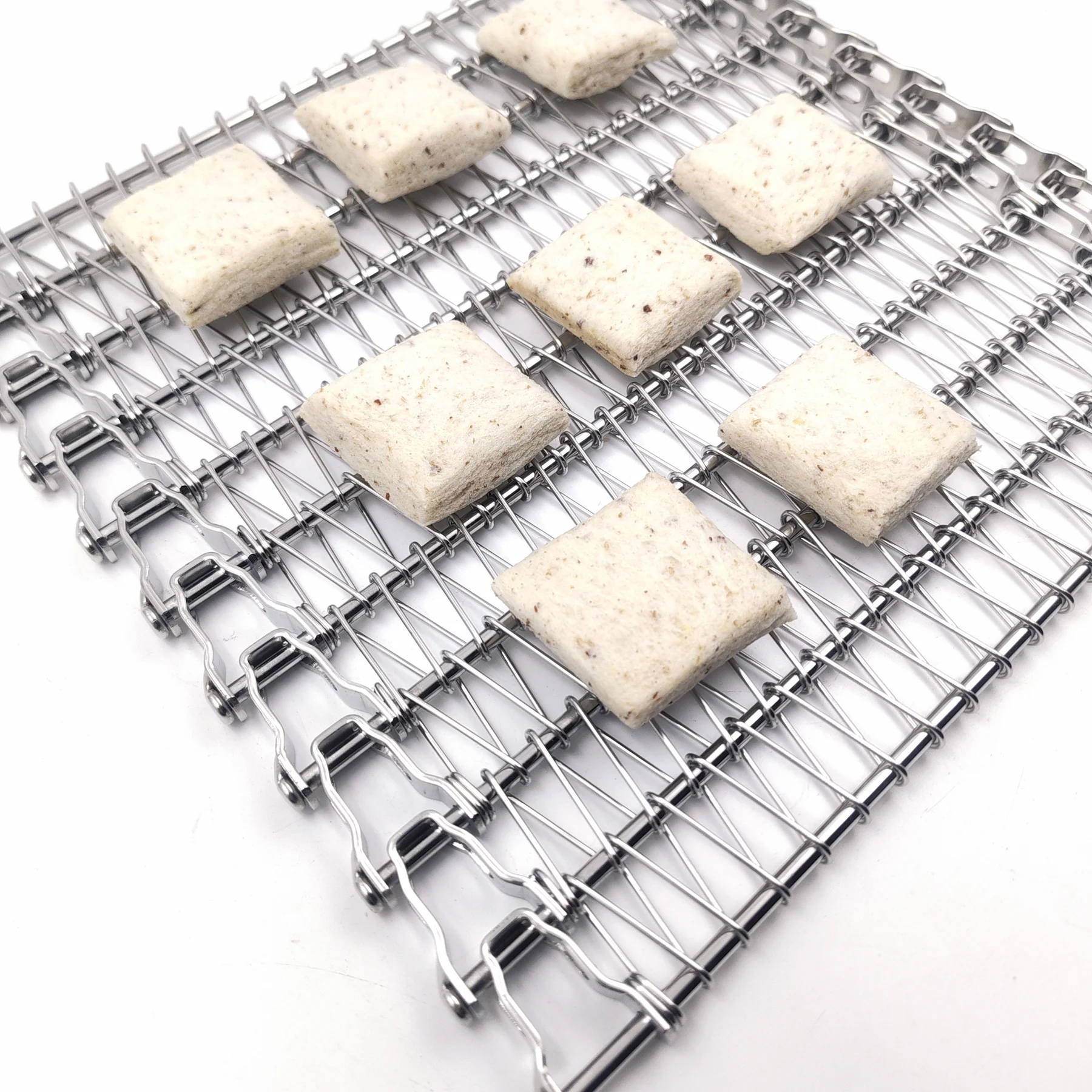
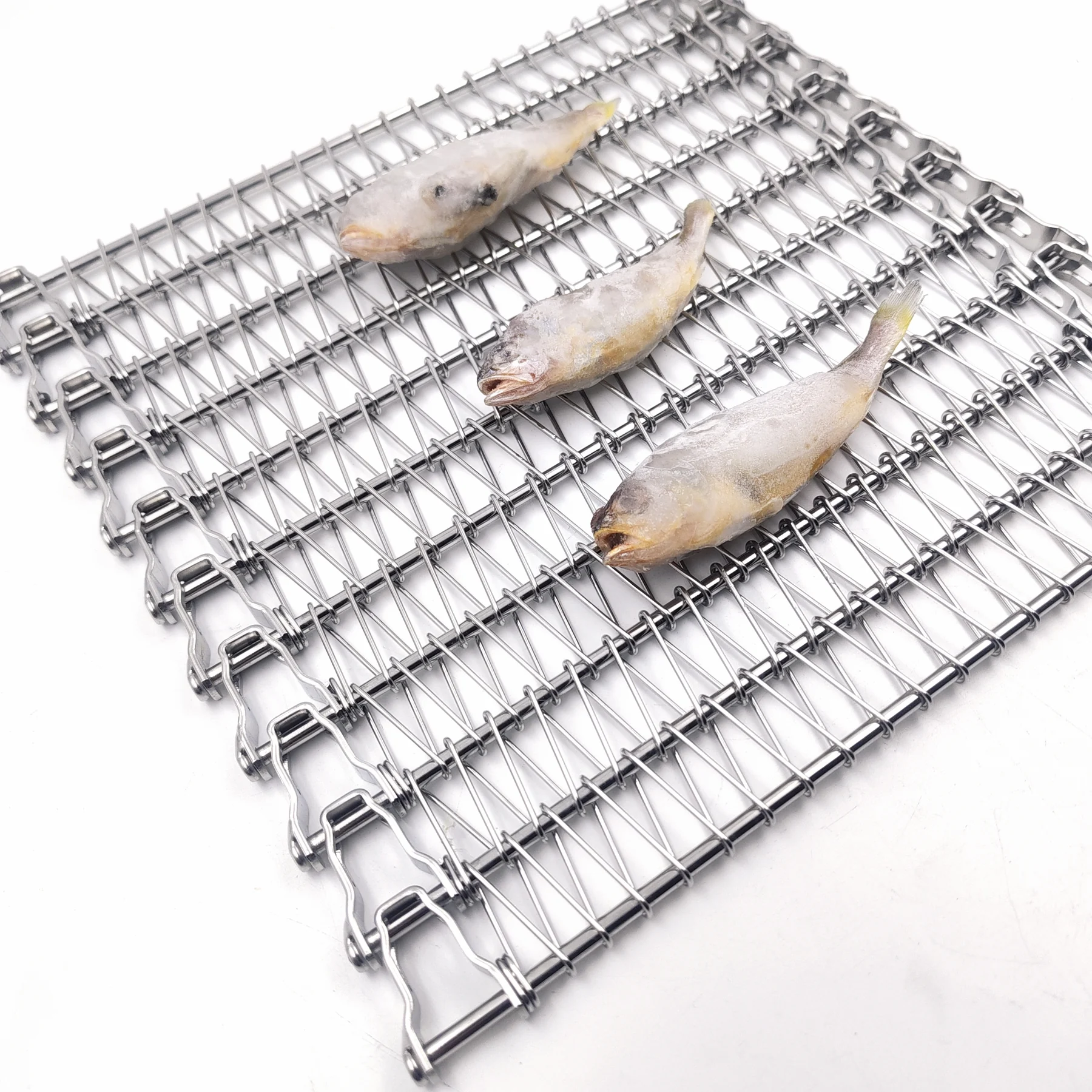
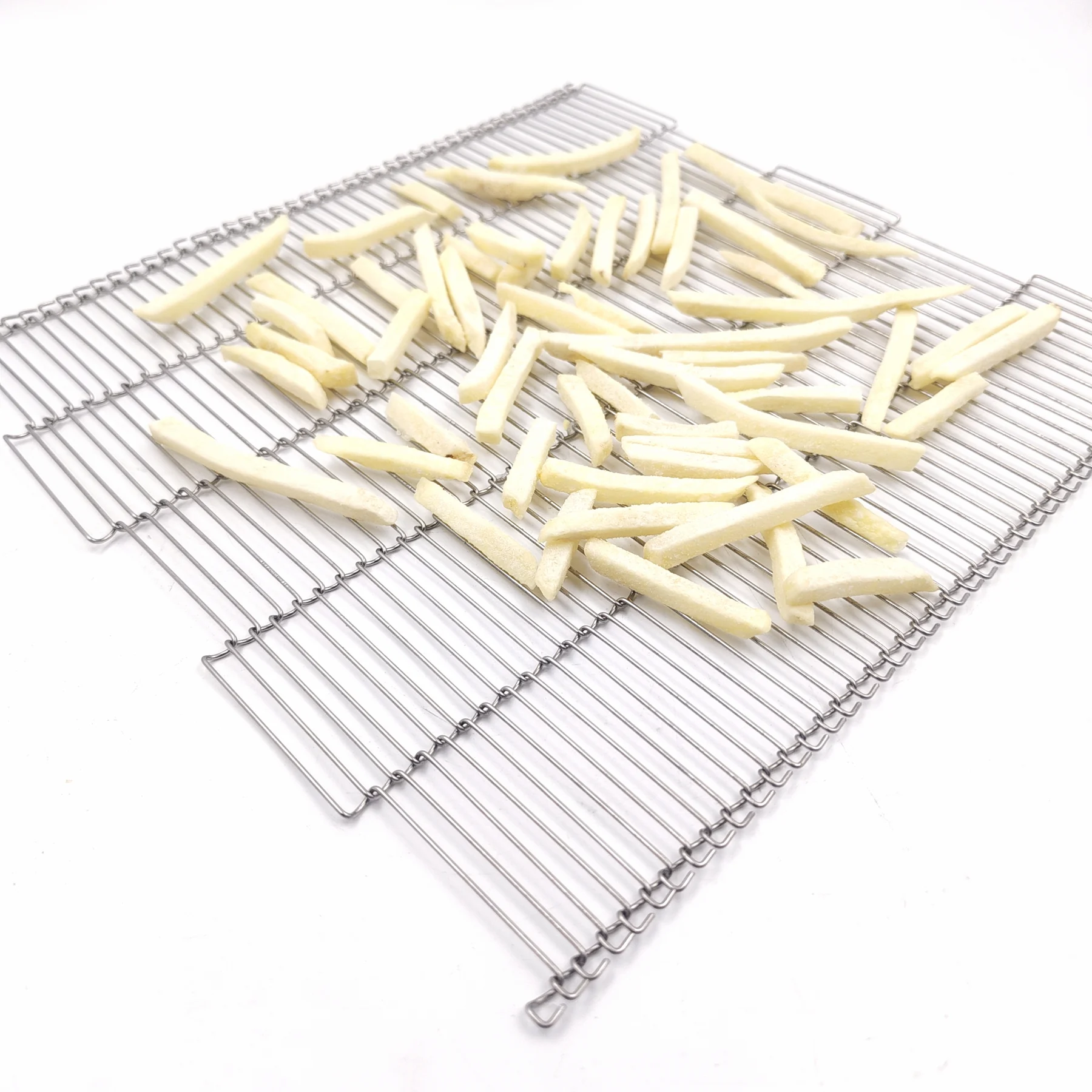
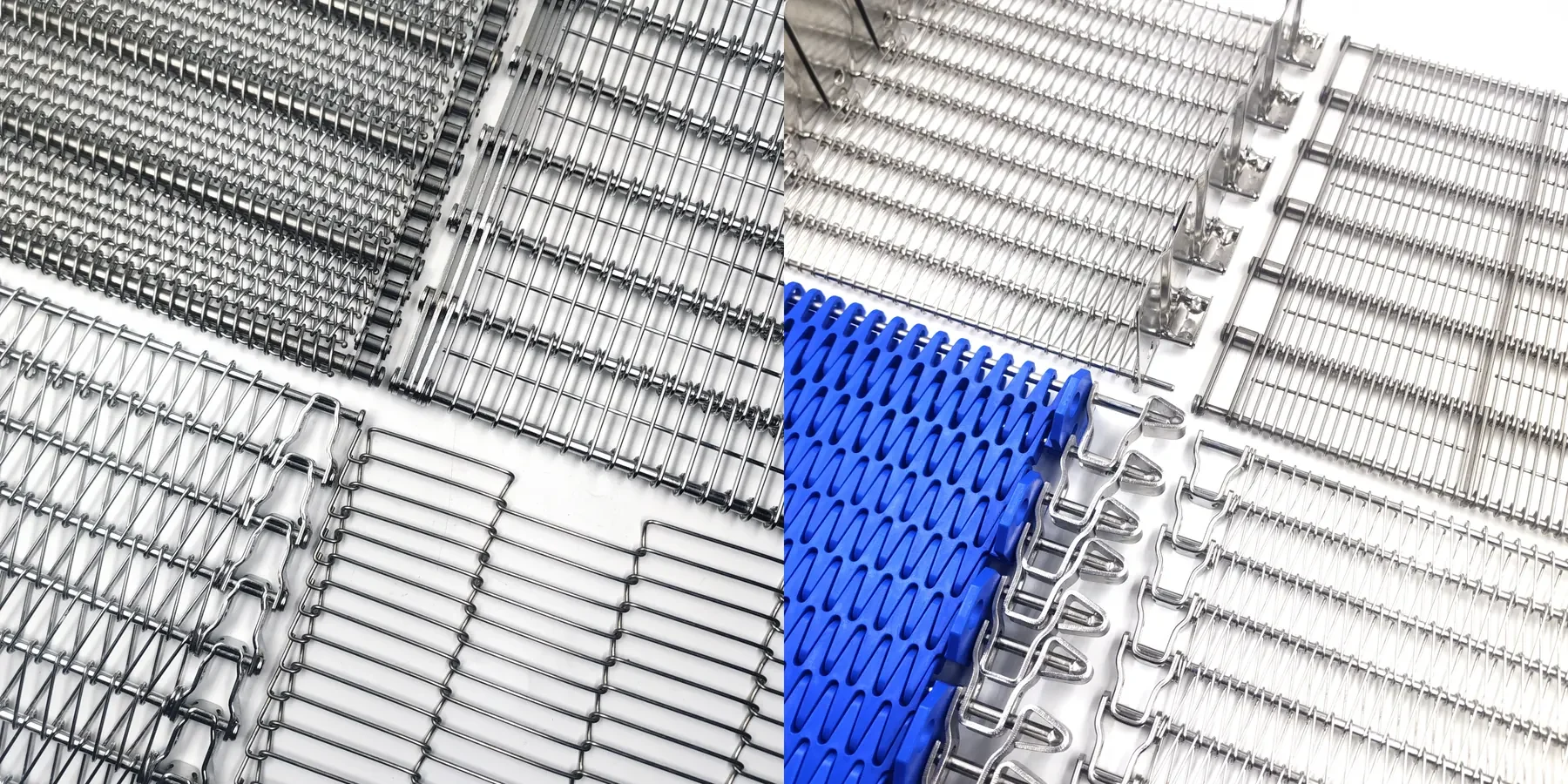
Use the visible product and belt-surface context to narrow the first discussion. These photos illustrate application categories; they do not replace equipment, process or drive-interface review.

View all application photos

Final belt configuration follows confirmed equipment, conveyed-product, process and drive-interface data.

What Evidence Supports a Product Recommendation?

Buyer confidence comes from visible project records, not generic claims. Where applicable, the confirmed drawing or sample is connected with dimensional checks, drive-interface review, running or turning evidence and final release records.

TM

Running / Engagement Review

Movement, turning, stacking or engagement can be reviewed where the applicable project and available equipment allow the check.

Critical dimension inspectionTM

Critical Dimensions

Applicable dimensions can be compared with the confirmed drawing or project information.

Finished belt reviewTM

Finished-Belt Review

Visible structure, edge details and identified release items can be recorded before shipment.

Product compatibility reviewTM

Application Evidence

Photos, samples and project information help connect the selected structure to the intended use.

Close-up of a metal conveyor belt edge positioned against a machined sprocket tooth profile.TM

Belt–Sprocket Interface Review

Tooth form, pitch, belt edge geometry, bore and shaft details are reviewed together before configuration is confirmed.

TM

Side-Drive Running Reference

Visible motion is a reference for discussing edge engagement and turning conditions. It does not establish a project match without confirmed data.

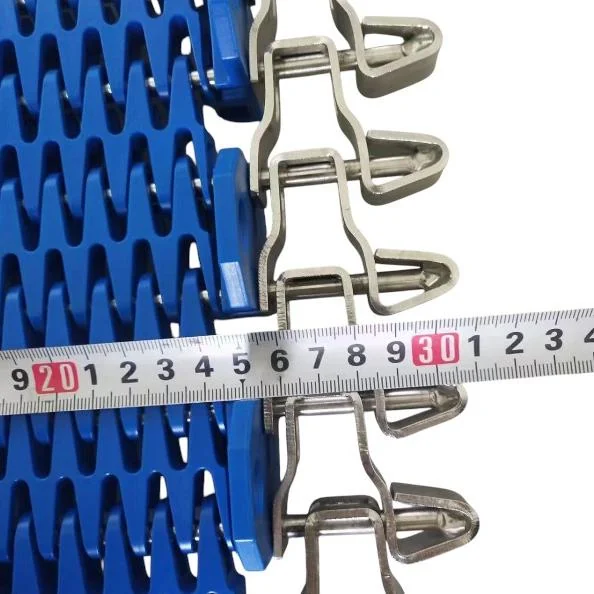
Tape measurement shown across a side-driven belt edge and support surface.TM

Belt Width / Edge-Interface Measurement Reference

Use measurement photos together with belt pitch, edge geometry, running direction and available equipment or drive details.
Evidence shown here illustrates review methods. The applicable checkpoints and records are defined by the confirmed product and project requirements.

Send What You Already Have

You do not need every parameter before the first contact. Clear photos and known dimensions help define the next questions for an OEM, replacement or repeat-supply review.

01 · EQUIPMENT

Equipment or System Drawing

Share the equipment type or model, layout, drum or cage information, conveyor path, transfers and available drive details.
02 · EXISTING BELT

Existing Belt Evidence

Include an overall photo plus the edge, underside, joint, sprocket or roller, and installed drive area. Add the old drawing, sample reference or visible problem where available.

03 · DIMENSIONS

Known Dimensions and Direction

Share width and length, belt pitch or cross pitch, wire and cross-rod diameter, edge or chain finishing, running direction, and shaft, sprocket or roller data where available.

04 · CONDITIONS

Operating and Project Information

Share the conveyed product, process, operating temperature if known, load, speed, cleaning conditions, quantity, project type and target schedule.

Replacement or Eye Link project? A clear overall photo, edge / underside / drive photos, a ruler reference and the existing sprocket or roller drawing can help start the comparison.

Before You Request a Belt Review

Use these answers to choose the right review path without treating a product photo or reference range as a final specification.

Send Project Information
Which metal conveyor belt fits my equipment?

Start with the closest equipment application or product structure. The final family and configuration depend on confirmed equipment geometry, process conditions, conveyed product and drive interface.

Do I need a new-equipment or replacement-belt review?

Use the OEM route when the equipment and belt specification are still being aligned. Use the replacement route when an installed belt, old drawing, sample or existing drive system provides the project reference.

What information is needed to identify an existing belt?

Send overall, edge, underside, joint and drive-area photos, plus any measurable width, pitch, wire or rod diameter, running direction and old drawing or order reference.

How are the belt and drive components checked together?

Where applicable, belt pitch, chains or edge engagement, sprocket profile, tooth information, shaft and existing wear are reviewed as connected project inputs.

Can I request repeat supply from a previous project?

Yes. Reference the previous order, approved drawing or confirmed sample and identify any equipment, product, material or operating changes before the next supply is reviewed.

Are the listed specifications final for my project?

No. Product images, descriptions and reference information establish a starting point. Final values and structure follow the reviewed project data and approved drawing or specification.

Where can I find measurement and replacement guidance?

Use the JBL Mesh Belts Engineering Knowledge Center for measurement, replacement preparation and troubleshooting guidance, then return here to start the product or project review.

Need Measurement or Replacement Guidance?

Use the technical Knowledge Center for belt measurement, replacement preparation and troubleshooting guidance. Product-specific configuration remains subject to project review.

Visit the Knowledge Center ↗

Send the Drawing, Existing-Belt Photos or Known Dimensions

You do not need every dimension before contacting us. For a new equipment project, send the system layout or drive details. For a replacement, send clear photos and any existing drawing. For repeat supply, reference the approved order or drawing.
info@jblmeshbelt.com
  • Product or equipment information
  • Drawing, photo or existing-belt reference
  • Known dimensions and operating conditions
  • Quantity and project schedule

Product configuration and suitability are reviewed against confirmed project information before specification confirmation.

Please enable JavaScript in your browser to complete this form.
Name